Kava, also called
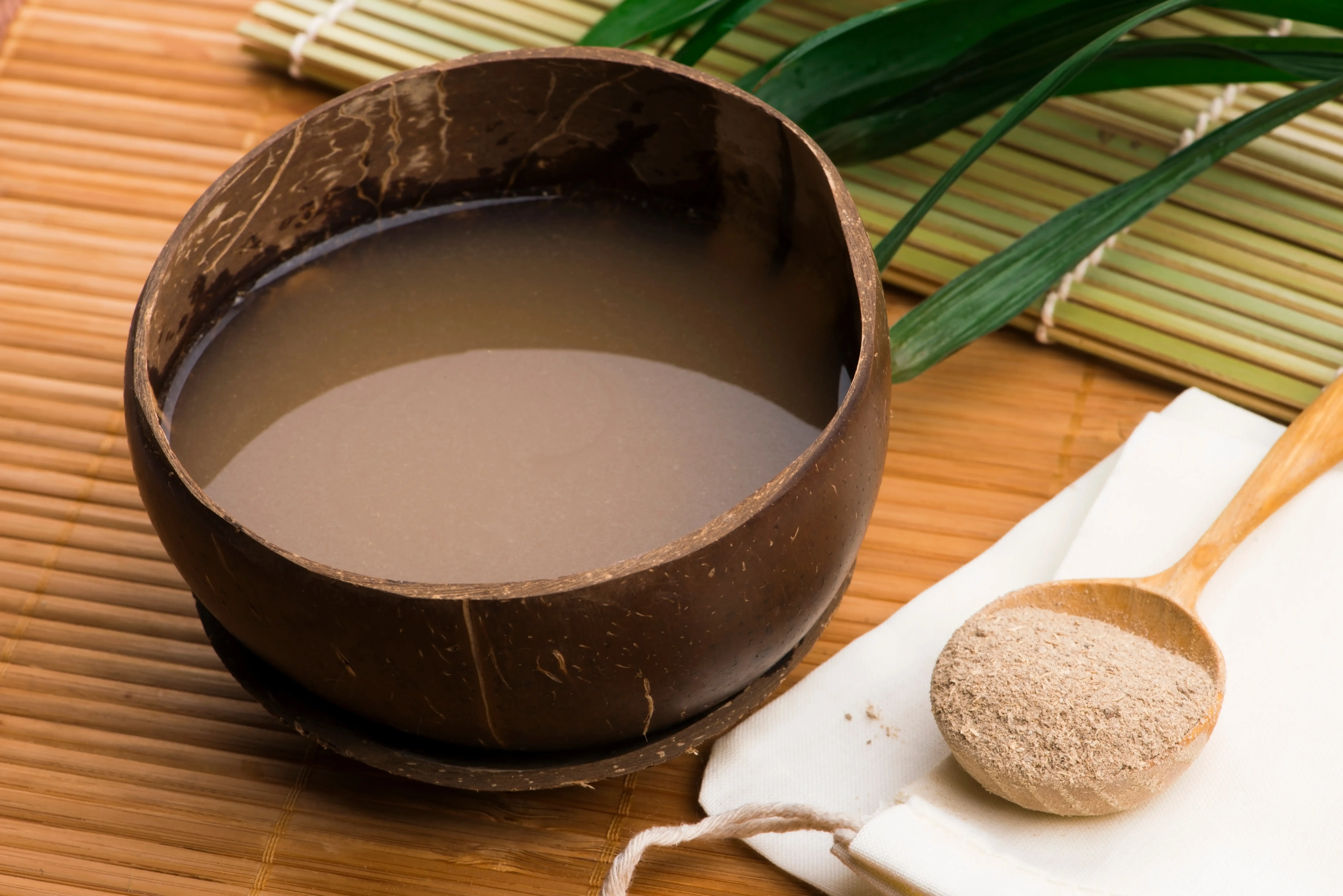
Kava Kava (Piper methysticum), is a plant found across the South Pacific. For millennia, island communities have prepared the roots of kava into a ceremonial drink. It's deeply intertwined with traditional celebrations and the fabric of everyday life.
Clarity, gentle euphoria, and chattiness are just a few of kava's effects, which scientists attribute to the plant's active compounds called kavalactones. Unsurprisingly, given its established safety profile and pleasant effects, kava is rapidly becoming a preferred daily routine for people = worldwide.
But, for some people, it can take a while for these effects to kick in, thanks to kava kava's reverse tolerance tendencies.
What We Know About Kava Kava Reverse Tolerance
As a pharmacological phenomenon, reverse tolerance is well studied in other substances, but frustratingly, when it comes to kava, there is very little research about it.
Yes, some people have reported these gradually increasing effects, but science hasn't caught up to people's real-life experiences. Instead, we have to rely on the experiences shared among kava-lovers.
First, not everyone will experience kava reverse tolerance. It seems to be a relatively rare occurrence.
Second, the working assumption is that reverse tolerance relates to how the body processes kavalactones. Kavalactones are a diverse group of compounds called lactones, and they are largely responsible for the plant’s desirable effects. They interact with our brain’s neurotransmitter systems, like dopamine and serotonin receptors.
With a first or second serving of kava, our bodies are still unfamiliar with how to process and interact with kavalactones. Gradually, after several days of exposure, the effects become apparent as the body adapts to these compounds. It may also have something to do with our bodies building up to a certain level of kavalactones.
Again, there isn't any significant research into this reported tendency, just reports from everyday people trying kava. Most of the available information comes from anecdotal evidence rather than any robust clinical trials.
The good news is that
, despite the lack of research on the specific phenomenon of reverse tolerance, researchers agree that kava kava is generally effective, well-tolerated, and
non-addictive. It's only with high exposure over extended periods that side effects become a potential concern.
How to Overcome Reverse Tolerance




.D03bkZte.png?w=50&h=55&q=100)



 sativa
 indica