





November 18, 2026
High at Sea: Do Lobsters Get High from THC?


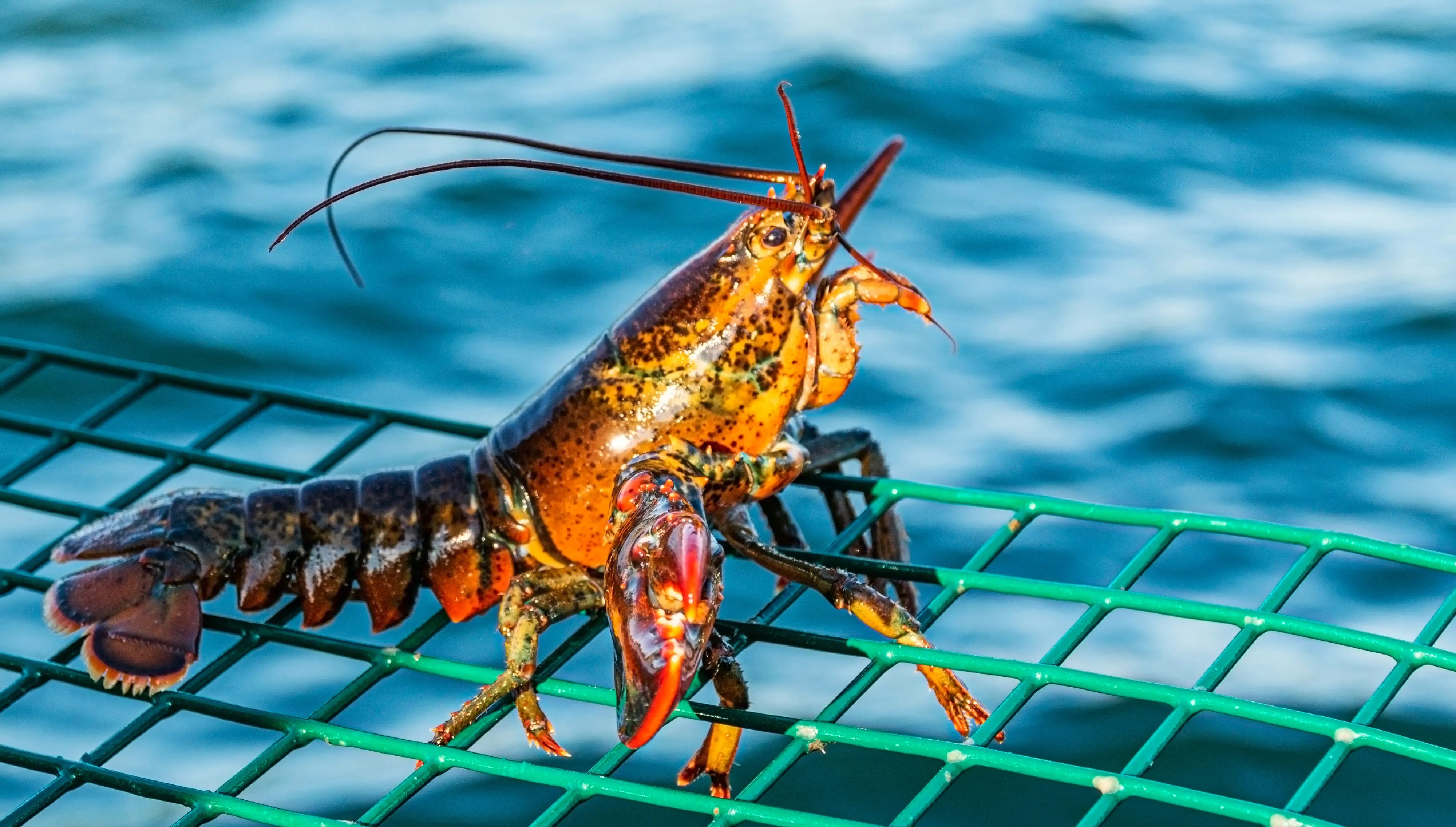

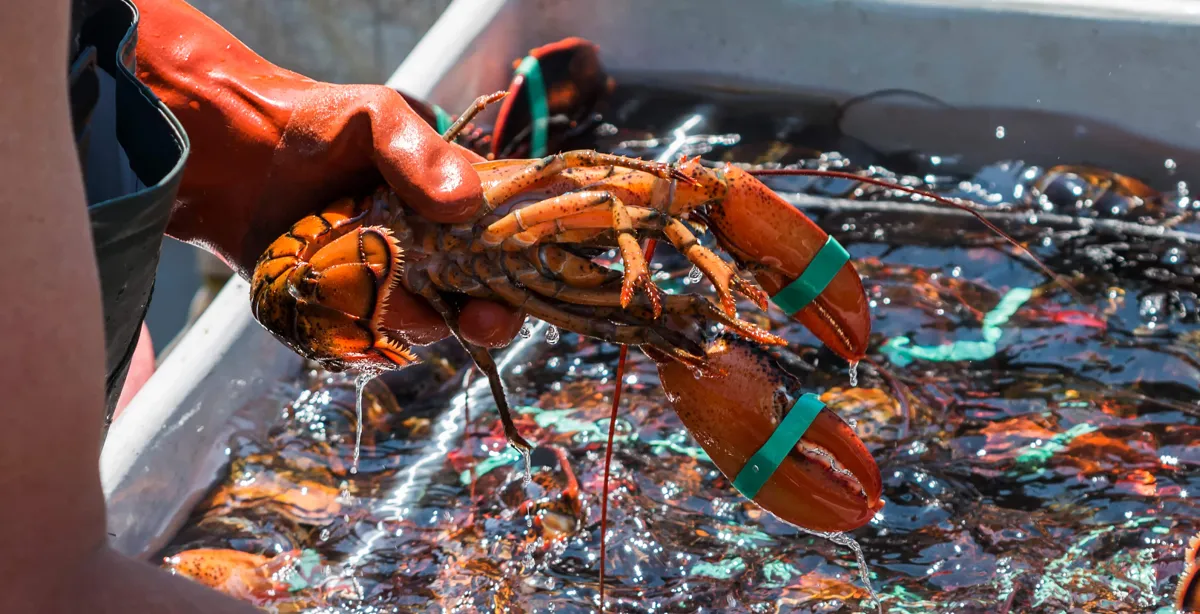
The idea was that if you could “sedate” lobsters with marijuana smoke, it might lessen the potential suffering for the creature.In other words, THC = a better time for the poor lobster.
So does THC lessen the suffering experienced by lobsters being boiled? Does it even affect lobsters at all?
To tackle these questions, researchers in 2021 conducted a series of experiments with the following procedures:
First, lobsters were placed in ventilated chambers connected to an electronic vaporizer. The THC concentration was 100mg/mL in propylene glycol (a common carrier liquid in vapes). The device delivered one 6-second puff every 5 minutes for a total exposure duration of either 30 or 60 minutes.
Then, in a separate experiment, scientists placed lobsters in tanks of chilled saltwater and recorded their behavior using motion-tracking software to observe any noticeable differences in movement after THC exposure.
Afterward, researchers conducted another set of experiments to examine how lobsters responded to warm saltwater. They briefly immersed different body parts, including their claws, tails, and antennae, in water up to 118°F and measured how quickly the lobsters reacted.
Finally, for tissue analysis, researchers euthanized the lobsters, collected tissue samples, and measured THC levels. They also boiled selected claws for 10 minutes to determine whether cooking reduced the THC concentrations in their tissue.
Interestingly enough, the researchers used a technique called liquid chromatography-mass spectrometry (LC/MS) to determine THC concentrations.
Essentially, chromatography separates different chemicals in a mixture, while mass spectrometry helps identify and measure them.
At Hometown Hero, the third-party labs we work with also use chromatography-based testing methods to analyze the THC content in our products (with results you can check on our website).
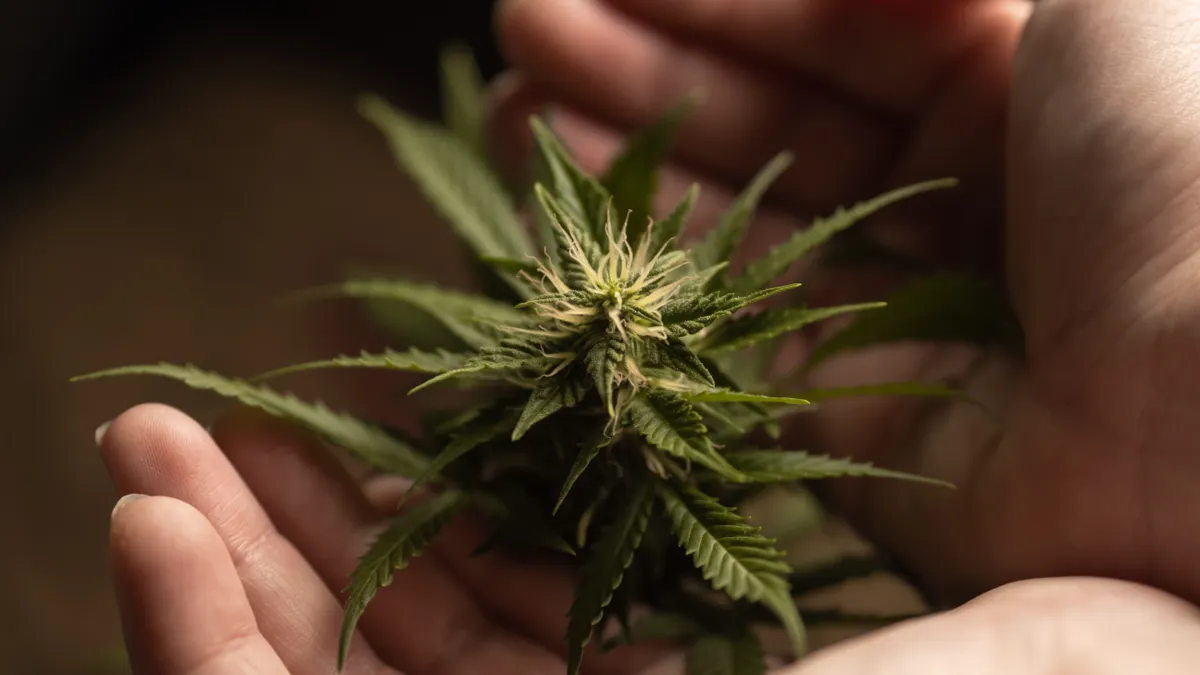
So what came out of this experiment?
Lobsters exposed to THC vapor moved more slowly and traveled shorter distances than they did after exposure to vapor containing only propylene glycol. Researchers also observed changes in how much time the lobsters spent moving.
So yes, as it seems, THC did appear to affect their behavior.
Analysis found THC in the lobsters’ brains, gills, hemolymph (“lobster blood”), hearts, livers, claw muscles, tail muscles, and membranes surrounding the claws.
“Wait, does that mean you can infuse lobsters?”
Well, technically, THC did make its way into their tissue, but don’t start planning a cannabis-infused lobster dinner just yet.
The highest average THC concentration was found in the gills of the lobsters exposed for 30 minutes, at approximately 0.00673 mg THC per gram of gill tissue. Researchers also noted that some of this THC might have accumulated outside of the gills rather than being absorbed into the lobsters’ bodies.
Another interesting note is that the average THC concentration in the gills of lobsters exposed for 60 minutes was actually lower, but generally increased in other tissues.
Yes, boiling lobster claws reduced the THC concentration in the tested samples.
Researchers observed reductions of approximately 53% and 76% depending on the duration of THC exposure.
Here’s where things get interesting.
“Pain” is a subjective experience, and determining whether an animal experiences it can be complicated.
What the study did measure was something called “nociception.” Essentially, nociception is the nervous system’s ability to detect potentially harmful stimuli, such as extreme heat.
So imagine you’re holding your hand above a candle. As your hand gets closer to the flame, your nervous system detects potentially damaging heat, prompting you to pull away.
“Antinociception,” on the other hand, refers to a reduction in the nervous system’s response to such stimuli.
In the experiment, researchers measured how quickly lobsters reacted when their claws, tails, or antennae were exposed to hot water.
If the THC did have a substantial antinociceptive effect, researchers might have observed the lobsters taking longer to react.
So did it? Not by much.
After 30 minutes of THC exposure, researchers found no significant difference in how quickly the lobsters reacted to hot water.
After 60 minutes, they observed a small effect, but the results were mixed, and no individual body part showed a statistically significant difference compared with the control condition.
Long story short, THC had little effect on the lobsters' responses to potentially harmful heat.
What should be taken with a grain of salt (or maybe a bit of melted butter) in this study are a few important limitations.
Right off the bat, the sample sizes were relatively small, with only seven lobsters participating in the movement experiments, and tissue samples collected from six.
Additionally, researchers could measure the lobsters’ physical responses to harmful temperatures, but they couldn’t determine if the animals actually felt less pain or discomfort.
And finally, there’s the question of whether THC affects lobsters the same way it affects humans.
The endocannabinoid system (ECS) is a network of chemical messengers and receptors that help regulate various bodily functions, and humans aren’t the only animals that have one.
In fact, components of the ECS have been identified in a wide range of animals including mammals, birds, fish, and some invertebrates.
However, the presence and function of cannabinoid receptors can vary considerably between species.
Although researchers have found evidence of cannabinoid-related activity in lobsters, whether they possess an endocannabinoid system comparable to humans remains unclear.
It’s an apples-to-oranges (or more specifically, humans-to-lobsters) comparison.
Still, the experiment provided valuable information on how THC can affect an invertebrate animal and influence its behavior.

Or, in other words, just because a lobster is moving more slowly doesn’t mean it’s having a good time.