.png?w=50&h=55&fm=webp&q=100)













October 15, 2026
THC Drinks vs Edibles: Which Edible Is Right for You?





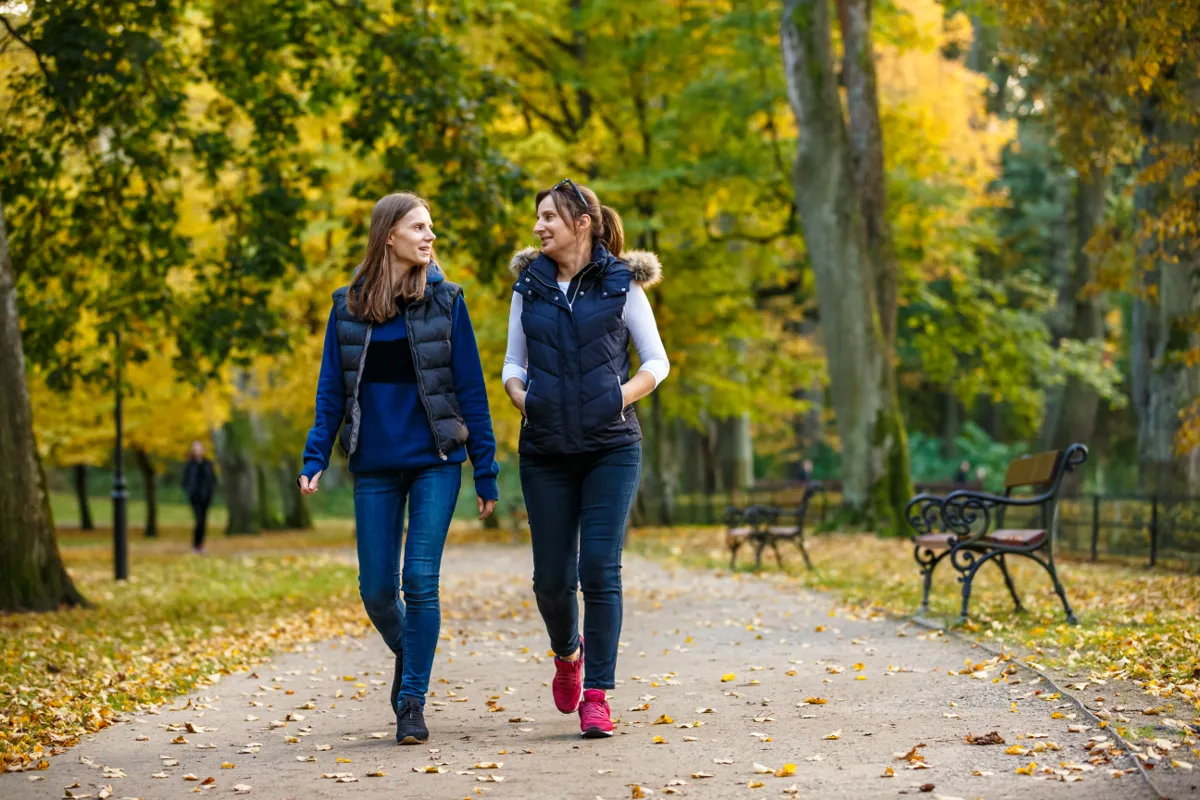
The creative output of the two walking groups beat that of the sitting group by 60%! Interestingly, the report states that the participants' increase in "creative ideation" was seen "in real time" and "shortly after."

The results indicated that entering rapid eye movement (REM) sleep, characterized by intense dreaming, significantly enhanced participants' creative problem-solving.

"New ideas arise from an interconnection of old ideas. So that means, at the very least, you have to be exposed to a novel stimulus. It gets you thinking thoughts and combinations that you've never experienced before. It's those interconnections among different ideas. That's where new ideas come from. And your environment helps to create those interconnections. And the good news is, to some extent, we all can control our surroundings."
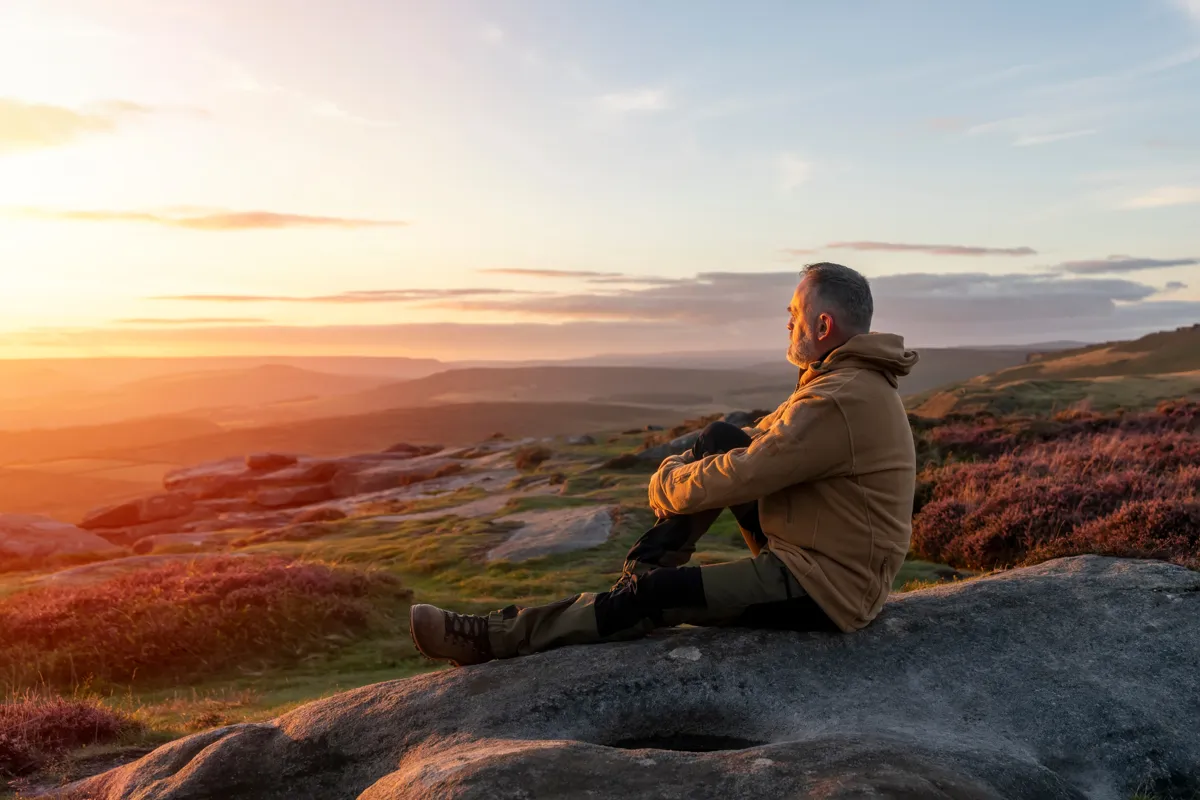
On average, the people on the fourth day of their outdoor adventure demonstrated considerably higher levels of creativity.
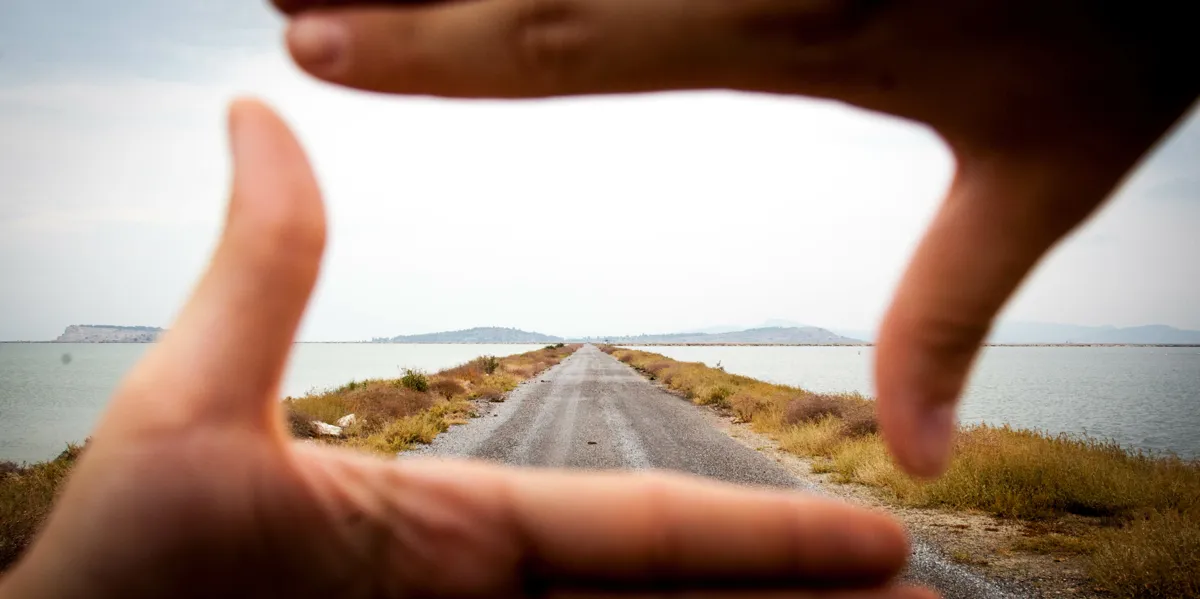
They found that participants who perceived the problem as far away came up with more creative solutions. They defined this as broad attentional scope, or "the ability to utilize peripheral stimuli and process information globally."

Participants had to find non-creative, mildly creative, and highly creative uses for everyday objects. They found that participants had higher creativity ratings under positive emotional engagement than neutral or negative ones.

"Inspiration is for amateurs. The rest of us just show up and get to work. If you wait around for the clouds to part and a bolt of lightning to strike you in the brain, you are not going to make an awful lot of work. All the best ideas come out of the process; they come out of the work itself."