Free Shipping
Icon
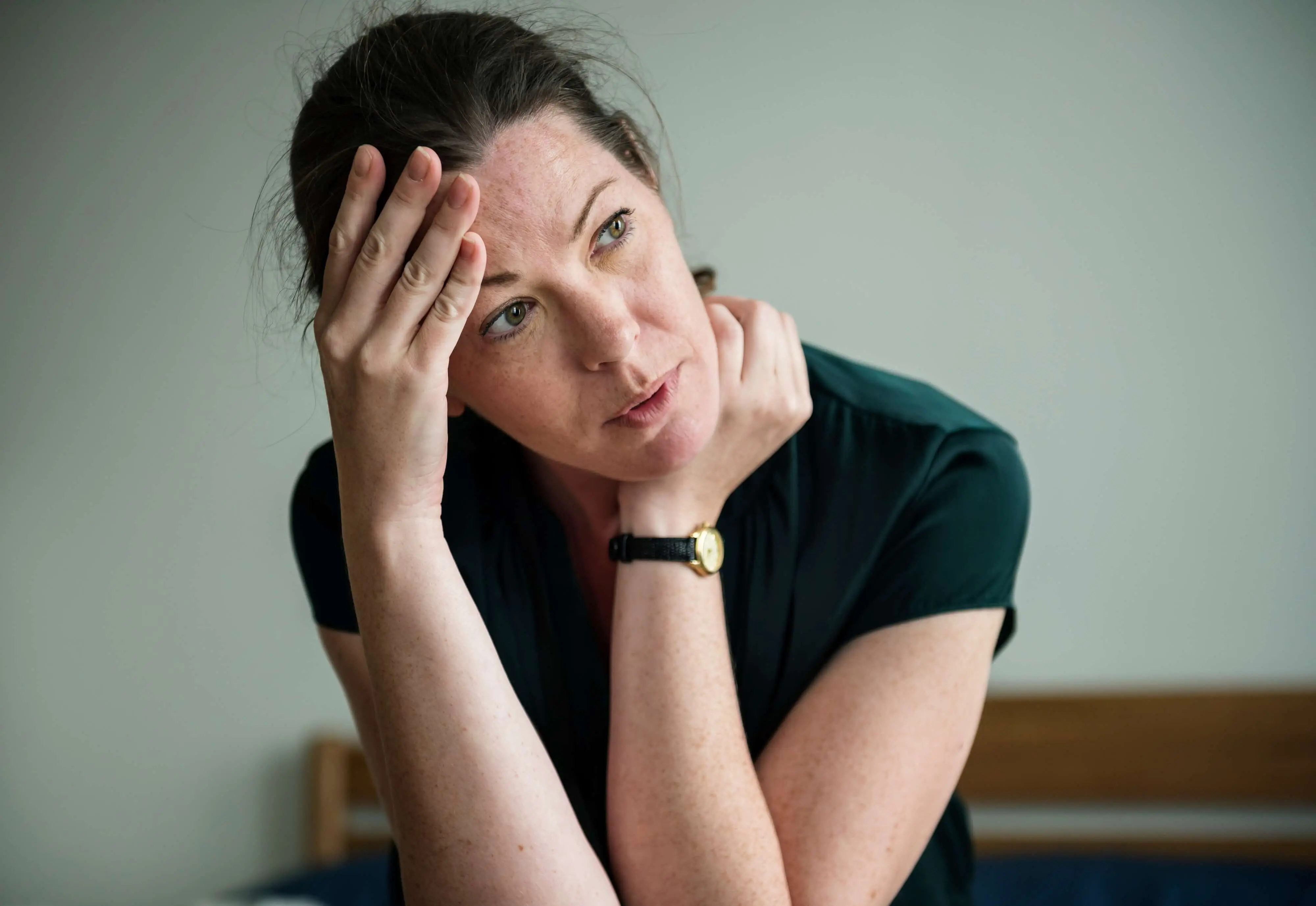
woman getting better sleep

12 Tips For Getting A Good Night’s Sleep

Table of Contents

There’s nothing more frustrating than a night spent tossing and turning, unable to fall asleep. But not getting enough sleep is not just annoying- it can lead to a range of issues that negatively impact your quality of life. You may notice that you're more irritable, struggle to get through your workout, or find it hard to focus at work.

So, what do you do when you can’t seem to get a decent night’s rest? It may be as simple as making a few small lifestyle changes. We went to the experts and curated 12 tips for better sleep, no counting sheep required!

12. Consult Your Physician

doctor and patient discussing medical advice

Before we get into the more general recommendations, we should note that there’s no one-size-fits-all cure for sleeplessness. The best source of sleep-related advice is a certified healthcare professional. 

Your doctor may take into account your family medical history or medications to provide unique insights into what's causing your sleep-related symptoms. You should consult your physician if you feel you may be suffering from insomnia.

11. Know How Much Sleep You Need

According to the CDC:
  • Adults between 18 and 60 years of age need at least 7 hours of sleep per night.
  • Between the ages of 61 and 64, it's at a minimum of 7 hours, and most, 9 hours
  • Individuals 65 and older need between 7 and 8 hours of sleep

Keep in mind that your own needs may vary from these general guidelines. Fortunately, there are ways to tell if you’re getting enough sleep without setting a timer

Signs that you're well-rested include:
  • Waking up without the need for an alarm
  • Maintaining your weight
  • Not craving junk food
  • Feeling alert without caffeine
What "well-rested" looks like will differ from person to person, but it's good to have a general idea of what "success” looks like as you try to improve your sleep.

10. Make Your Bedtime a Routine

young man getting into bed to sleep

We all know that a regular exercise routine is good for fitness, and three solid meals a day are good for nutrition. The same principle of consistency applies to sleep. When was the last time you gave yourself a bedtime?

Setting, and most importantly, sticking to a sleep schedule keeps your circadian rhythm in check. Your circadian rhythm is a biological process that controls what time of day you're most alert, hungry, sleepy or "physically primed."

Once you get into the groove of a consistent bedtime routine (yes, even on weekends), you should find yourself getting sleepy around the same time of the day, every day. This will serve as a signal that it’s time to unwind and get to bed, so don’t ignore it!

9. Listen To Music

Music doesn't just soothe the soul. meta-analysis of studies involving music and sleep revealed that music can actually help people fall asleep. 

Specifically, songs with a rhythm of about 60 beats per minute have been shown to slow down the heart rate.
If you're looking for solid, relaxing tunes to help you drift into a peaceful slumber, we've got you covered with the Spotify playlist below:


Just make sure you don't fall asleep with headphones or even earbuds in. At best, it could be uncomfortable. At worst, you can damage your ears.

8. Manage Blue Light Exposure

woman on her phone while in bed, blue light on her face

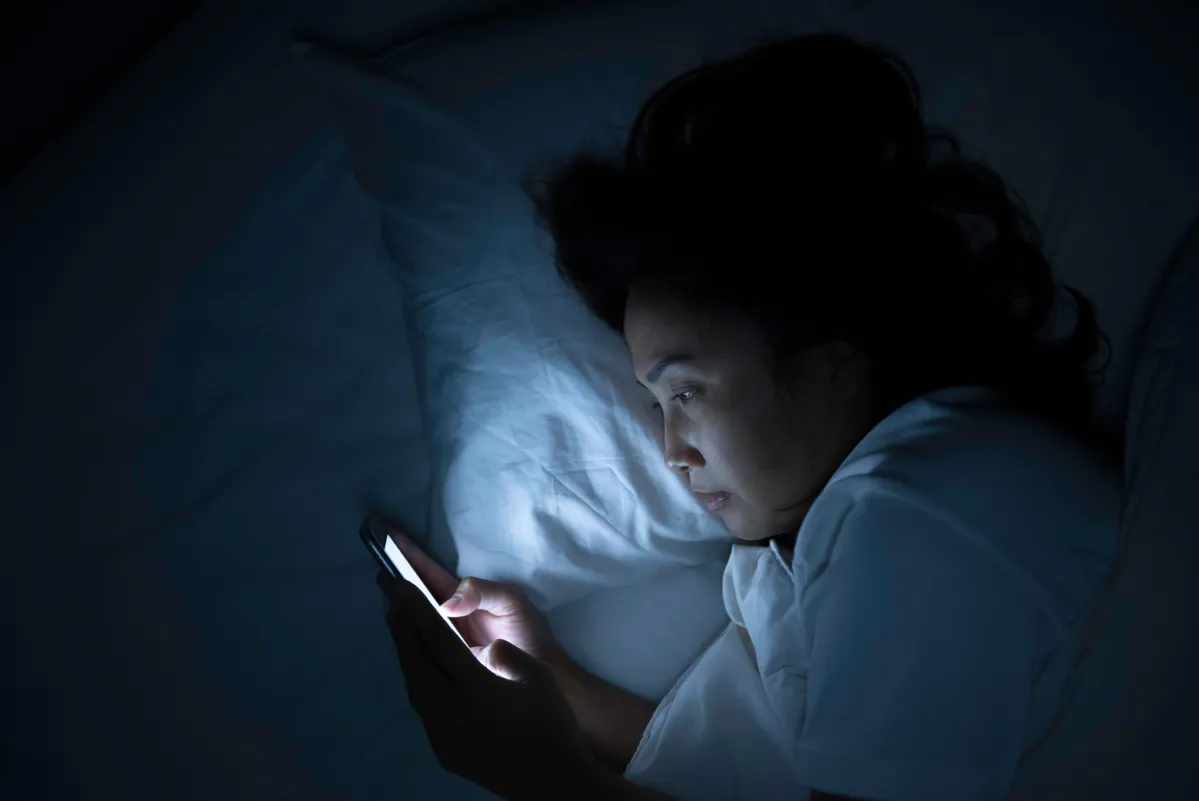
You've probably heard all sorts of stuff about blue light and how it's "bad" for you. The truth is that while it can be a hindrance to your sleep, it can also be a boost to your energy. That's why it's essential to manage blue light exposure, not eliminate it altogether.

What is blue light, you may ask? It's quite literally as the name suggests. Blue light is a color on the visible light spectrum that has a short wavelength and thus produces more energy. The greatest natural source of blue light is the sun itself, but it is also emitted via electronics such as smartphones, TVs, laptops, desktops, or just about anything with a screen.

Blue light suppresses your body's release of melatonin, a hormone that helps you feel sleepy. This is not ideal when you’re actively trying to get some sleep, so the Sleep Foundation recommends staying away from electronic devices 2 to 3 hours before bedtime.
However, exposure to blue light can also be used to your advantage. y having your blinds flipped slightly open, you can get some sunlight into your bedroom, suppressing melatonin and thus helping you wake up in the morning. 

So, avoid blue light when you're trying to sleep, but embrace those short waves of visible light when it’s time to jumpstart your day.

7. Pay Attention to What You Eat or Drink

young man snacking unhealthily at bedtime

Eating more mindfully isn't just good for maintaining a healthy weight. It's also essential to get a good night's sleep. Which… is also suitable for maintaining a healthy weight.

But anyway, being more vigilant about what you put into your body (and when) could mean the difference between catching Z’s or staring at the ceiling.

For instance, caffeine has a half-life of 4-6 hours, meaning it takes that long for your body to eliminate half of what you consumed

So let's say you grab an energy drink or coffee from America's favorite chain of caffeine. That's around 200mg of caffeine on average. After the peak effects wear off, you'll still have 100mg of caffeine floating around your system up to 6 hours later. 

So when you consume caffeine can really make or break your nightFor many people, the effects from this residual caffeine won't be an issue, but for sensitive sleepers, it's enough to keep them up

You'll also want to avoid alcohol if you're trying to get a better night's sleep. Sure, it may help you fall asleep quicker, but it's not just about getting to sleep that matters. It’s also the quality of sleep. According to the Sleep Foundation, alcohol has been linked to poorer sleep quality and duration, so think twice before drinking in the evening.
And finally, let's talk about what you eat. Or even when you eat. According to Cone Health, eating late at night means the muscles needed to digest your meal keep working overtime when they should be resting.

We mentioned earlier how important it is to stick to a sleep schedule, but it’s also crucial to stick to an eating schedule… to help your sleep schedule. It’s best to stay away from those late-night bites. 

6. Be Careful With Long Naps

A nap could be the thing to get you through the day, but you might regret it late at night.

Now we're not saying to avoid naps altogether. According to the Mayo Clinic, short naps (10-30 minutes) generally don't affect sleep quality at night for most people. In fact, they may come with some benefits. 

However, prolonged or frequent naps might negatively affect the shut-eye you get at night. Much like your caffeine intake, you'll want to avoid taking naps after 3:00 pm.

5. Declutter and Organize Your Bedroom

There are numerous downsides to living in an untidy environment. 

A cluttered living space can:
  • Raise levels of cortisol (stress hormone)
  • Attract dust mites and pet dander
  • Lead to embarrassment and isolation
  • Affect your memory
  • Hinder your decision-making skills
And yes, of course, it could result in poorer-quality sleep! So if you've been putting off organizing your living space, especially where you sleep, now is the time to hunker down and declutter. 

Time spent straightening a few things could give you more time to get some quality shut-eye.

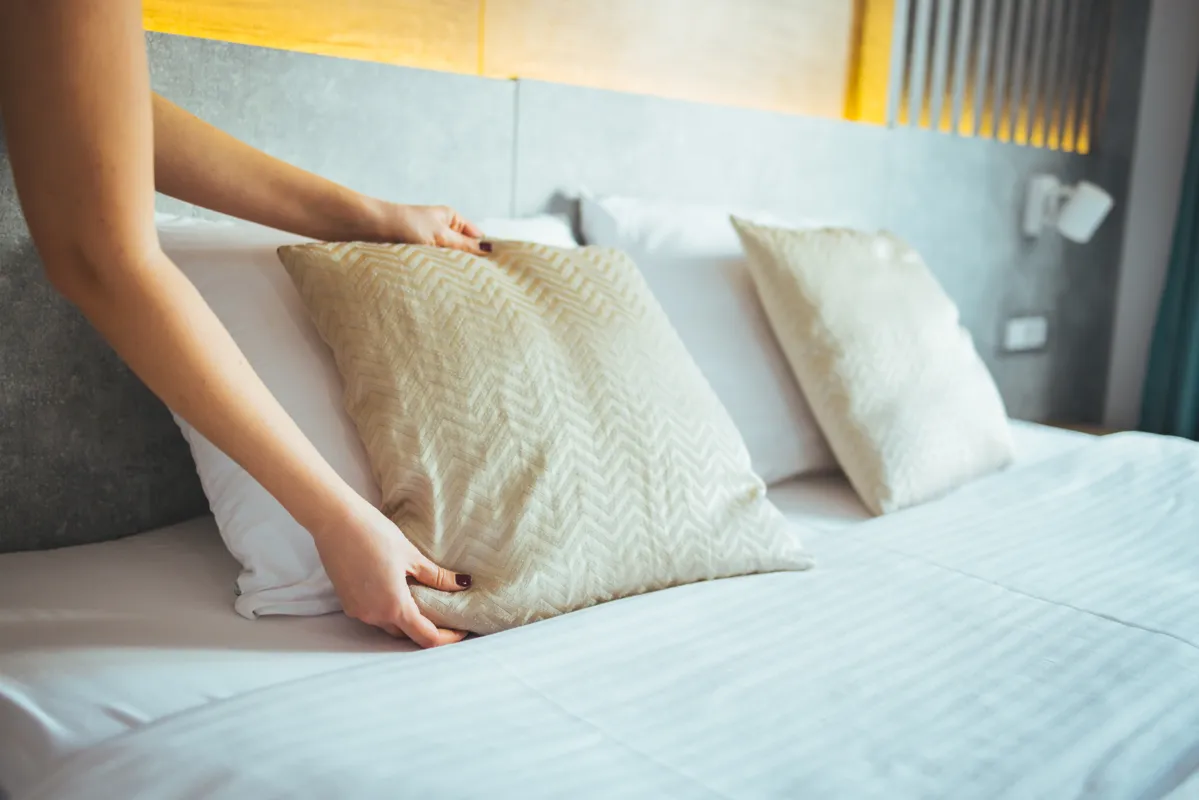
4. Clean Your Bedding or Replace It

woman fixing her bed

Believe it or not, doing a load of laundry may be the thing you need to get some quality sleep. There are a ton of fun things that get caught in your bedding, such as:
  • Sweat
  • Body oils
  • Dead skin cells
  • Saliva
  • Allergens
Did we say "fun?" We meant gross.

According to Woman's Health, this gunk can block airflow through your bedding, thus raising your body temperature and affecting your sleep quality.

Ideally, you want to wash your bedding about once a week, but at the very least every two weeks. Additionally, like your wardrobe, it's good to switch up your bedding between seasons. Use heavier sheets and comforters during the winter and cooler, breathable bedding during the summer.

It could also be time to replace your bedding altogether. Here are the "lifespans" of bedroom items:
  • Mattresses - 6 to 8 years
  • Pillows - 1 to 2 years
  • Bedding (blankets, sheets, etc.) - 1 ½ to 2 years
Hard pill to swallow, but if it’s been a while, it may be time to break up with your old blanky. 

3. Exercise

An article by Hopkins Medicine states that people who engage in at least 30 minutes of moderate aerobic exercise daily experience immediate benefits for their sleep, including stabilized mood and increased slow-wave (deep) sleep. 
That's right. You don't have to be training for a 5K to start seeing results. Here's the catch. Aerobic exercises cause the body to release endorphins, which, in turn, can help some people stay awake and alert. 

So, if you are looking to work in some exercise, you'll want to avoid getting your laps in about 1 to 2 hours before going to bed to optimize its benefits to your sleep.

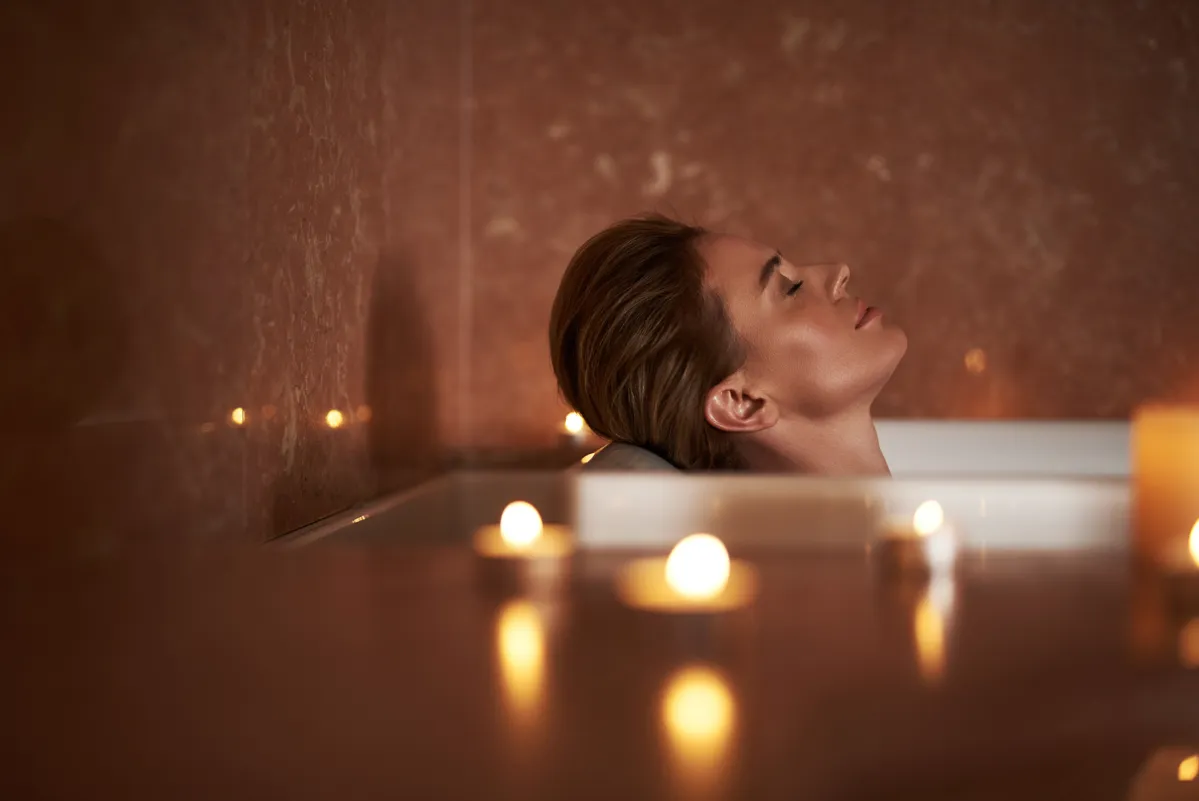
2. Take a Shower or Bath

woman bathing in a candlelit room

So exercise, snacks, blue light, and most definitely caffeine are a big "no" 1 to 2 hours before bed.

But taking a warm bath or shower? You're good to go. 

meta-analysis of 17 studies found that taking a shower or bath between 104 and 108 degrees about 1 to 2 hours before bedtime can help someone fall asleep faster and with better quality. Who doesn’t love a nice, warm bath?
1. Relax Your Mind

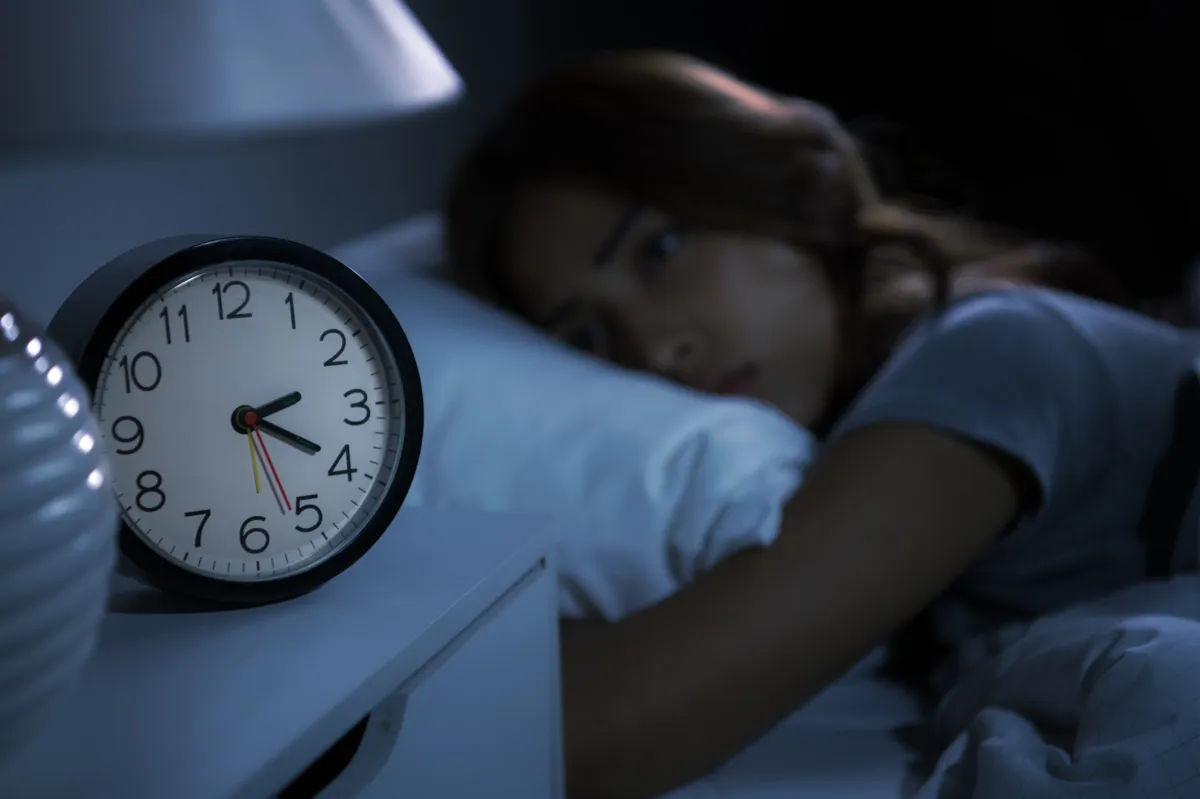
woman staring at her clock because she can't sleep

Your surroundings aren't the only thing that needs to be decluttered and quieted down to get a good night's sleep. Whether it be a stressful situation that took place in the past or concerns about the future, there’s no shortage of things that can leave your mind racing at night.

Fortunately, there are many activities you can try to help quiet your mind, according to WebMD, including:
  • Meditation
  • Slowing your breathing
  • Relaxing your muscles
  • Leaving chores and tasks until tomorrow

Our Picks To Help You Wind Down

Our go-to for the occasional restless night? Cannabis, of course! 

Many people find that cannabinoids such as THC help them relax, especially when combined with the terpenes of indica-dominant strains like Grand Daddy Purple or Northern Lights.

For those who prefer a non-psychoactive experience, Cannabinol, or CBN, has shown particular promise for sleep-related applications

Here are a few products that combine the power of sleepy terpenes like linalool with natural hemp cannabinoids for a relaxing experience. 

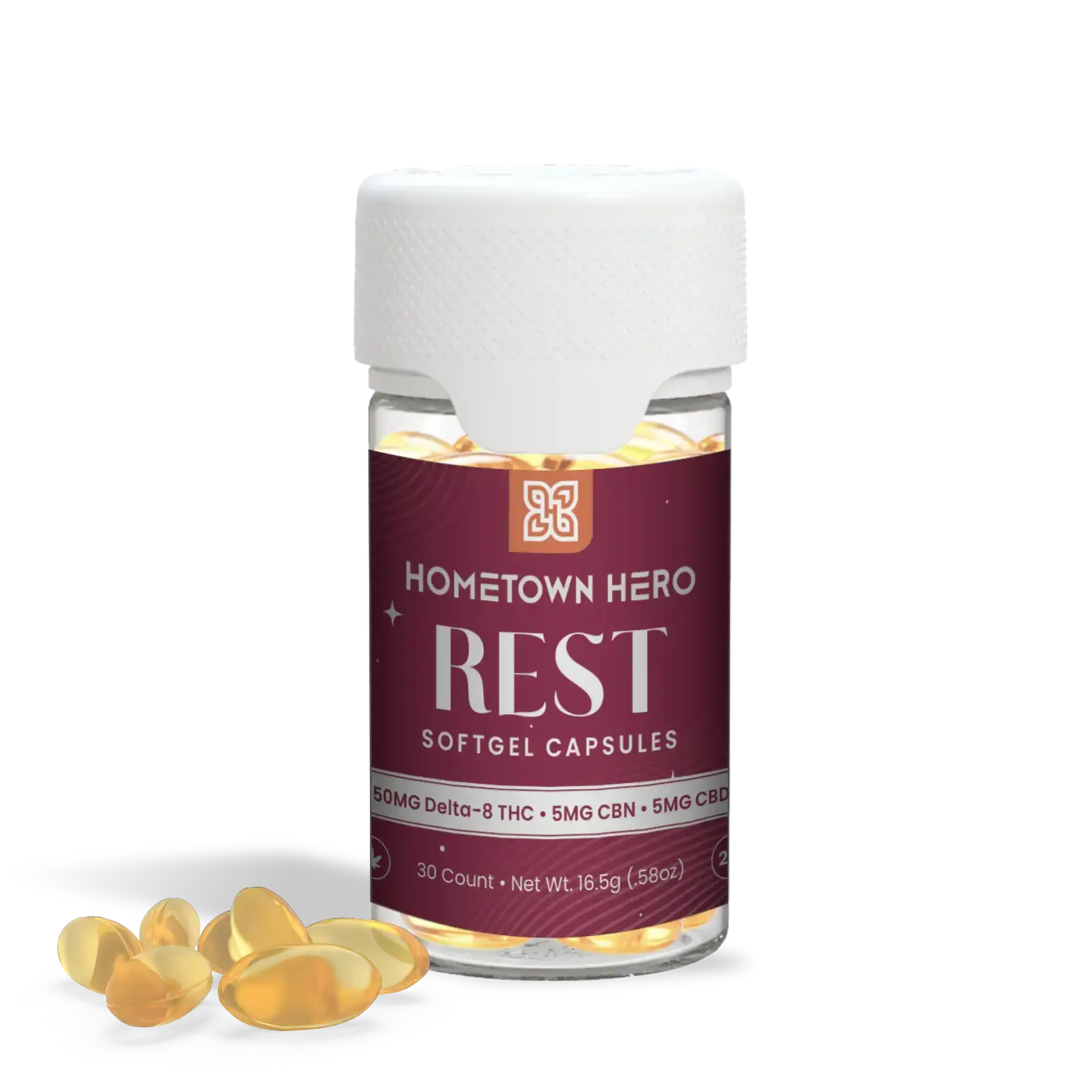
yellow softgel 50mg delta 8 capsules
5 stars
64
50mg - Rest Delta 8, CBN, CBD Capsules
50mg D8/Pc 5mg CBD/Pc 5mg CBN/Pc
Fast-Acting
EXPLORE
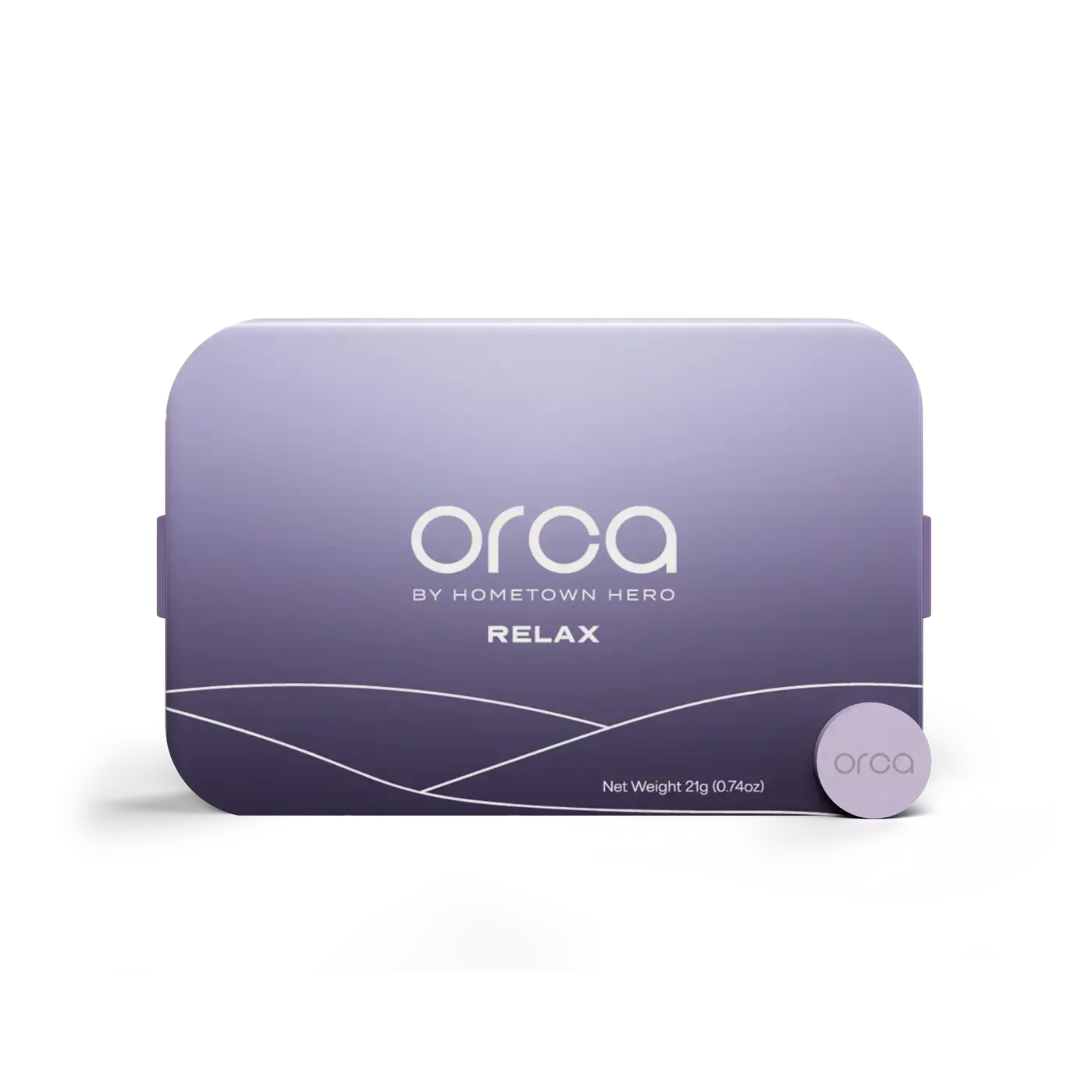
ORCA Relax purple tin with pill
5 stars
79
ORCA Relax
25mg CBD/Pc 5mg CBN/Pc
Fast-Acting
EXPLORE

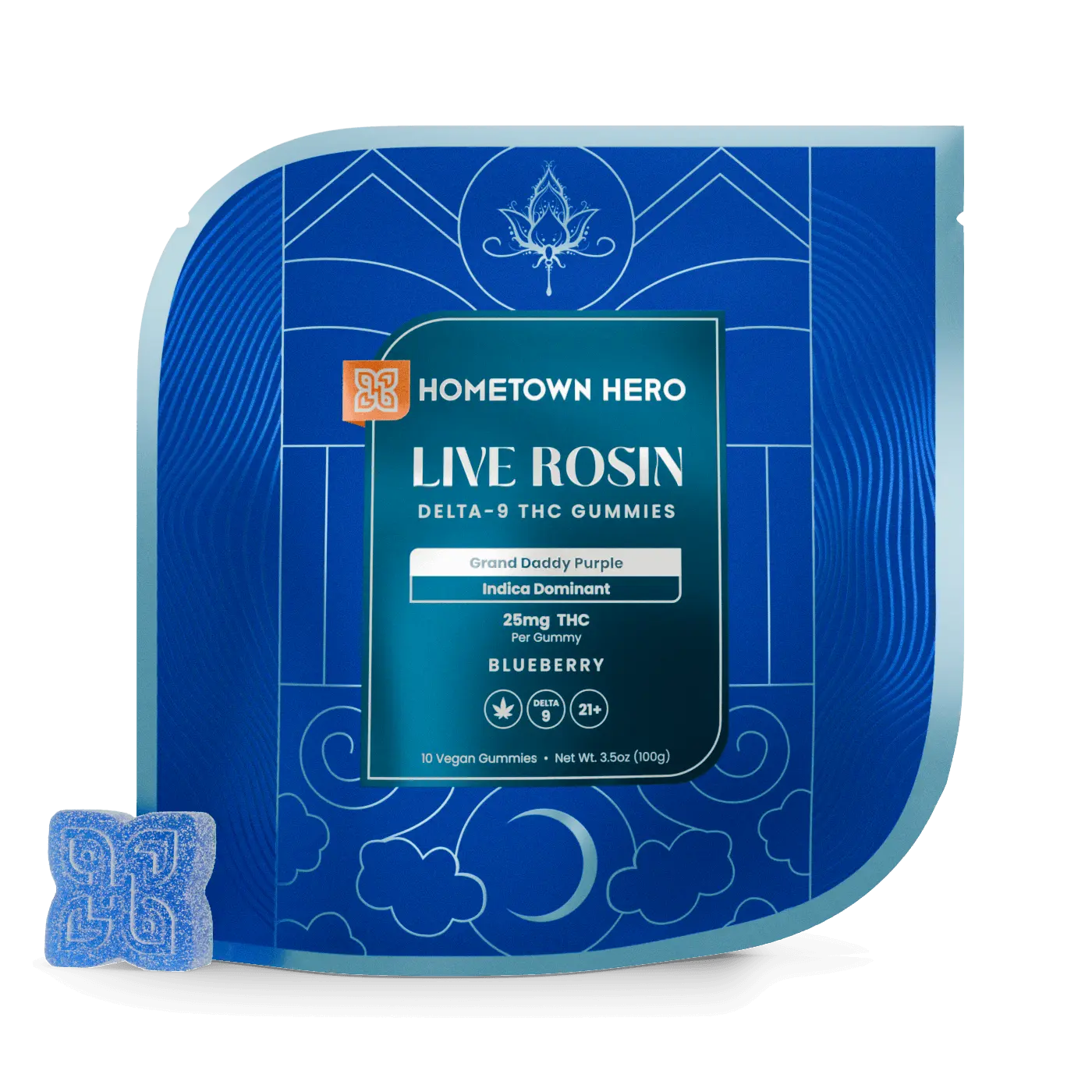
Pack of Blueberry Grand Daddy Purple Indica Live Rosin Gummies
5 stars
276
Blueberry GDP - Delta 9 Live Rosin Gummies
25mg D9/Pc
indica indica
EXPLORE

Better Sleep, One Change at a Time

Sleep is so important for your overall well-being and health, but you wouldn't be the only one who has a few habits that aren't ideal for a good night's rest. If you’re discouraged about a disorderly sleep schedule, we hope these tips showed that there are actionable ways to get back on track.

Implementing one or a combination of these changes may help improve your overall sleep quality, but as always, consult your doctor if you feel you may be suffering from insomnia.

Until next time, happy exploring, and mind your mind!

FDA Disclaimer: The statements made regarding these products have not been evaluated by the Food and Drug Administration. The efficacy of these products has not been confirmed by FDA-approved research. These products are not intended to diagnose, treat, cure, or prevent any disease. All information presented here is not meant as a substitute for or alternative to information from health care practitioners.  
Follow us
Related products
25mg - Rest Delta 8, CBN, CBD Capsules
25mg D8/Pc 5mg CBD/Pc 5mg CBN/Pc
50mg - Rest Delta 8, CBN, CBD Capsules
50mg D8/Pc 5mg CBD/Pc 5mg CBN/Pc
Indica - Delta 9 Live Rosin Absolute Gummies
25mg D9/Pc
Explore collection
Related Posts
Delta-8 vs. Delta-9 For Sleep: Which One is Better?
March 9, 2026
Delta-8 vs. Delta-9 For Sleep: Which One is Better?
5 Ways to Improve Your Quality of Sleep for Better Fitness Results
March 9, 2026
5 Ways to Improve Your Quality of Sleep for Better Fitness Results
Explore all posts