
.D03bkZte.png?w=50&h=55&q=100)




 sativa
 indica

February 27, 2026
We Just Hit 20,000 Five-Star Reviews- Here Are Some Of The Best



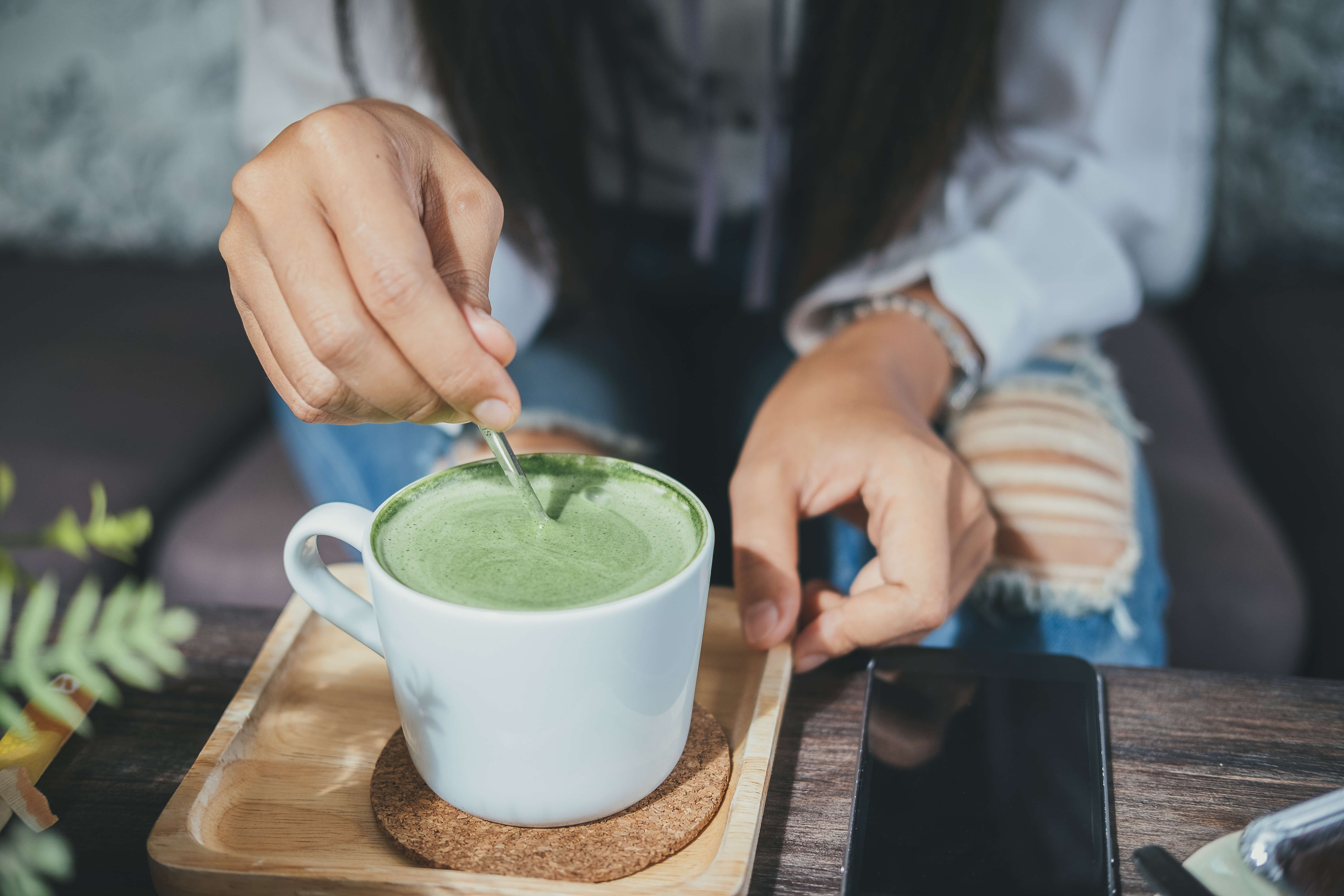

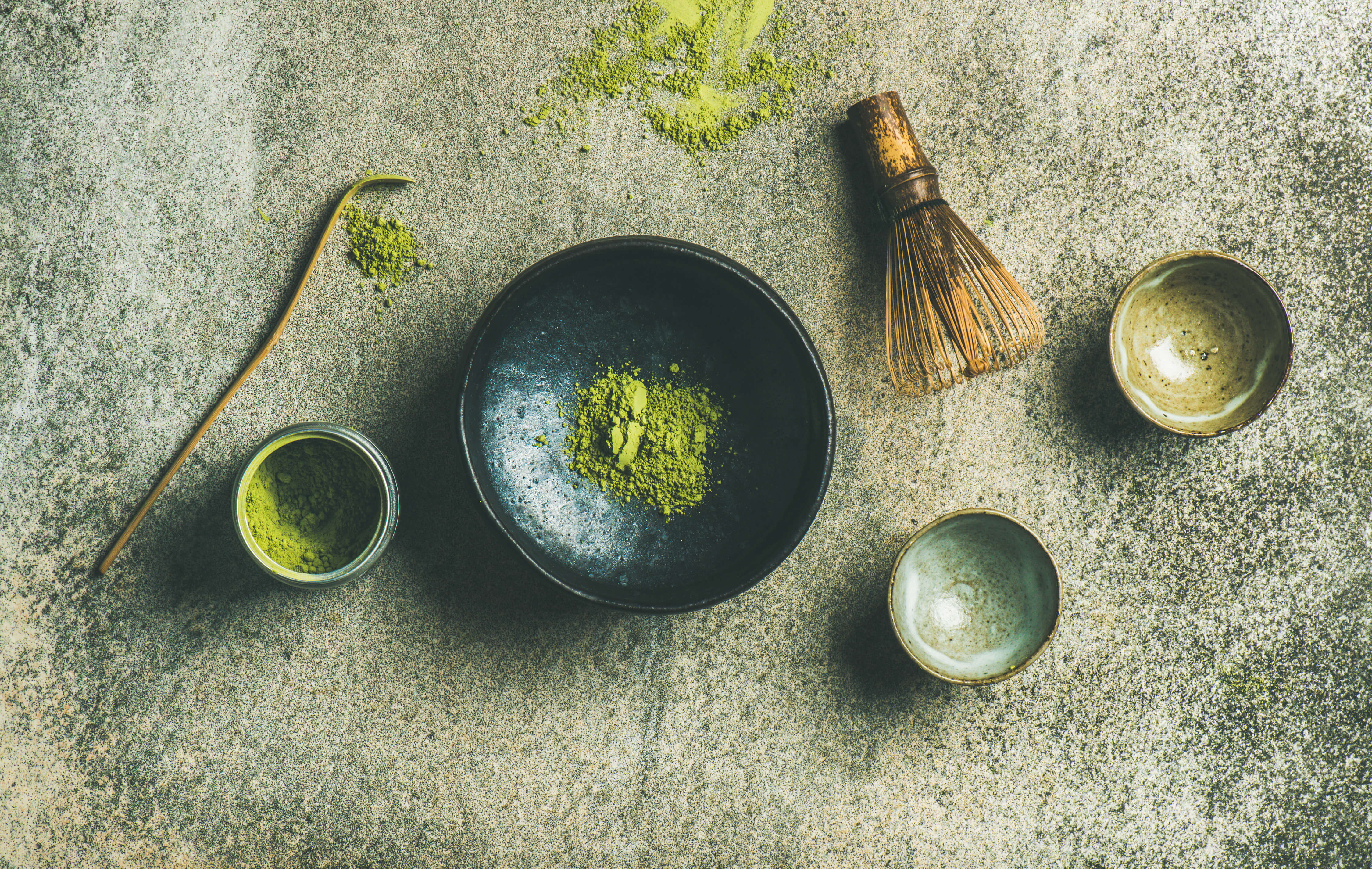
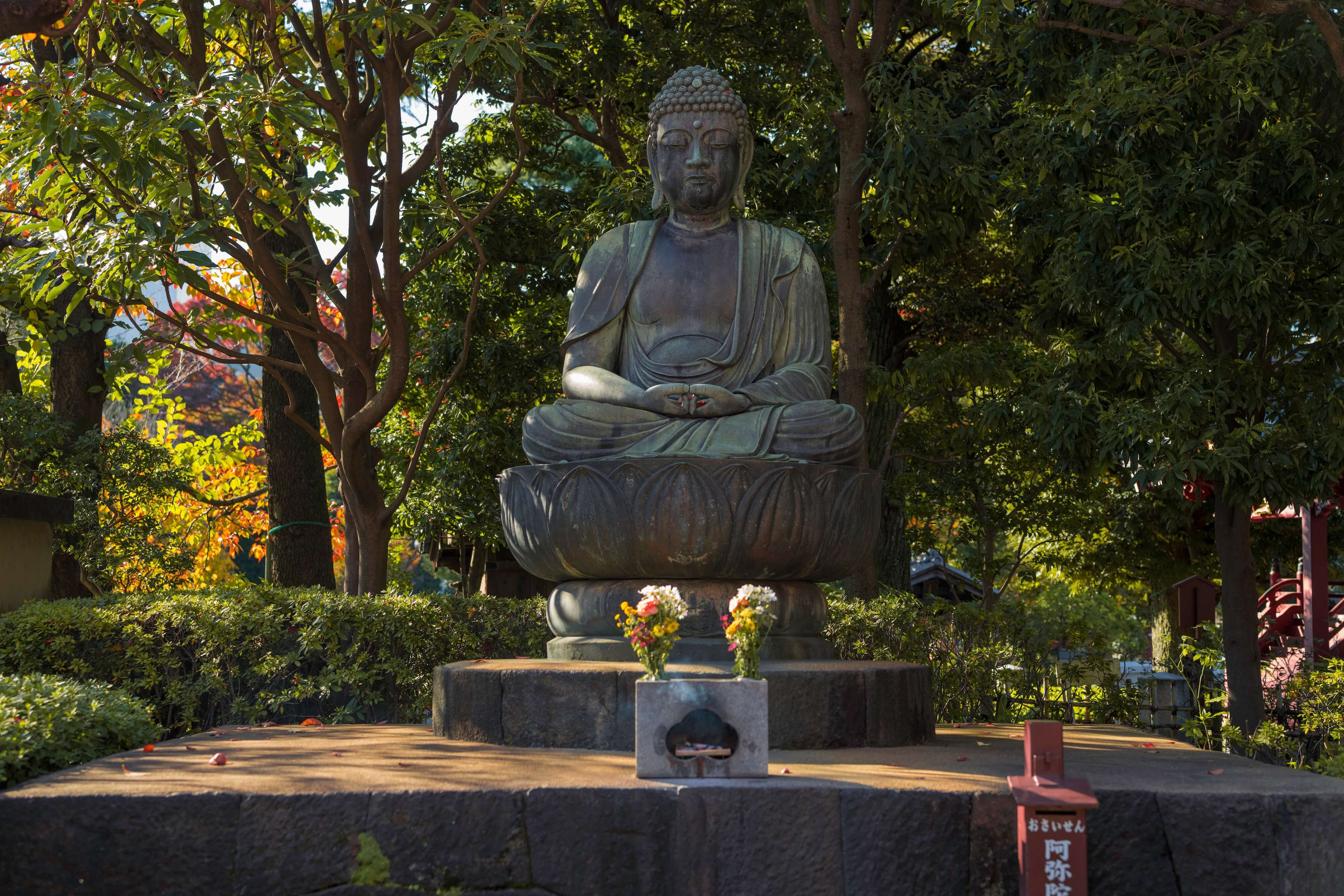
So although originating in China, Matcha's name was coined from the Japanese words for its preparation: matsu, “to rub," and cha, “tea.”
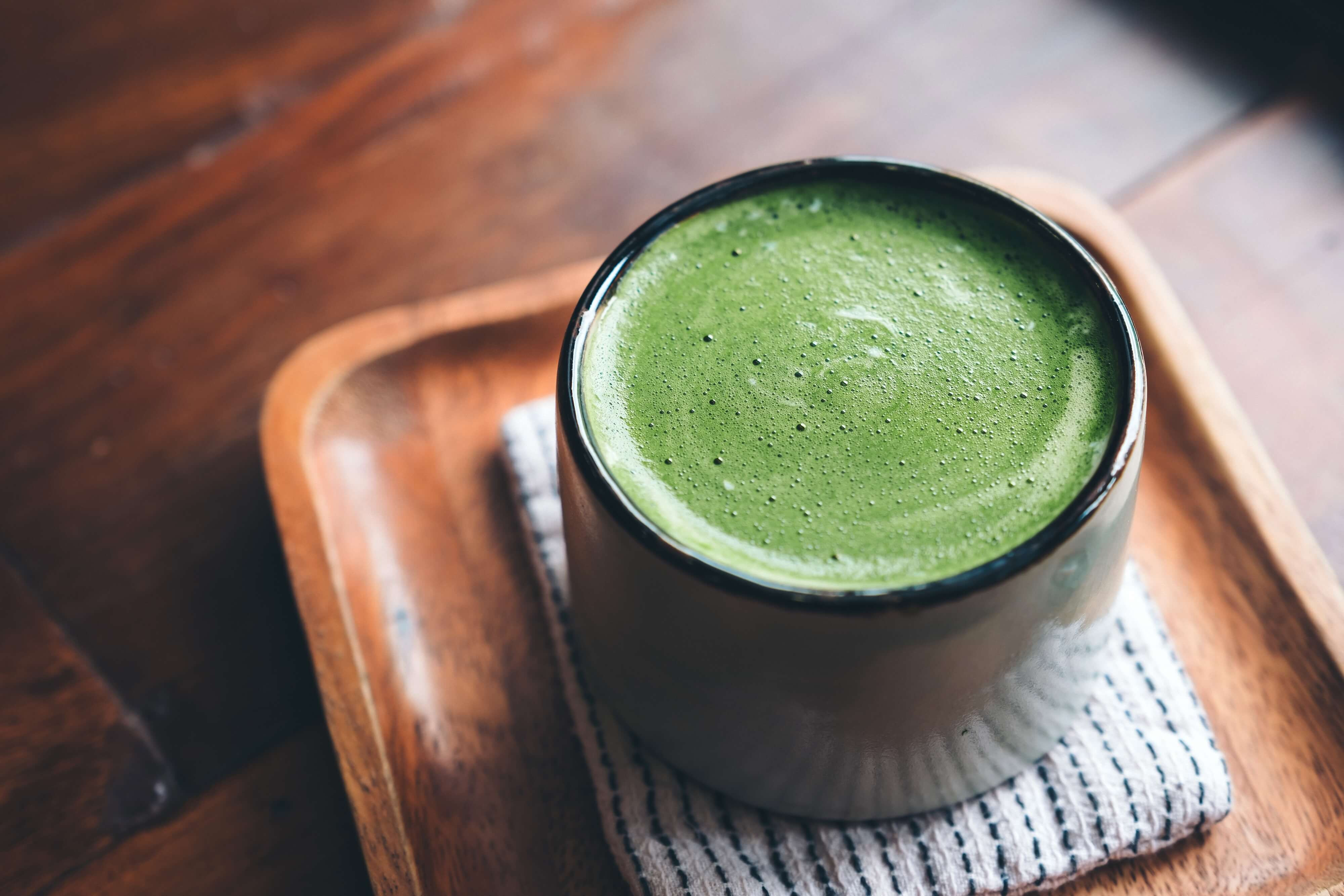
First off, on a cup-by-cup basis, matcha naturally contains slightly less caffeine than its coffee counterpart. A standard cup of matcha contains around 38 to 176mg of caffeine, compared to the 100–200mg in a cup of coffee.
But frankly, despite all these benefits, most people enjoy matcha because L-theanine smooths out the edges of caffeine, resulting in longer-lasting, balanced effects. This calm, sustained energy is why matcha has such a strong reputation for enhancing focus without jittery side effects, anxiety, or a crash-out.
EGCG has been shown to have potent direct and indirect antioxidant action, scavenging reactive enzymes and neutralizing free radicals. There is also new and exciting research exploring how EGCG could support anti-tumor activity as well as protective effects on the heart, brain, and cellular health.