While not necessarily a nootropic, it would be remiss not to mention
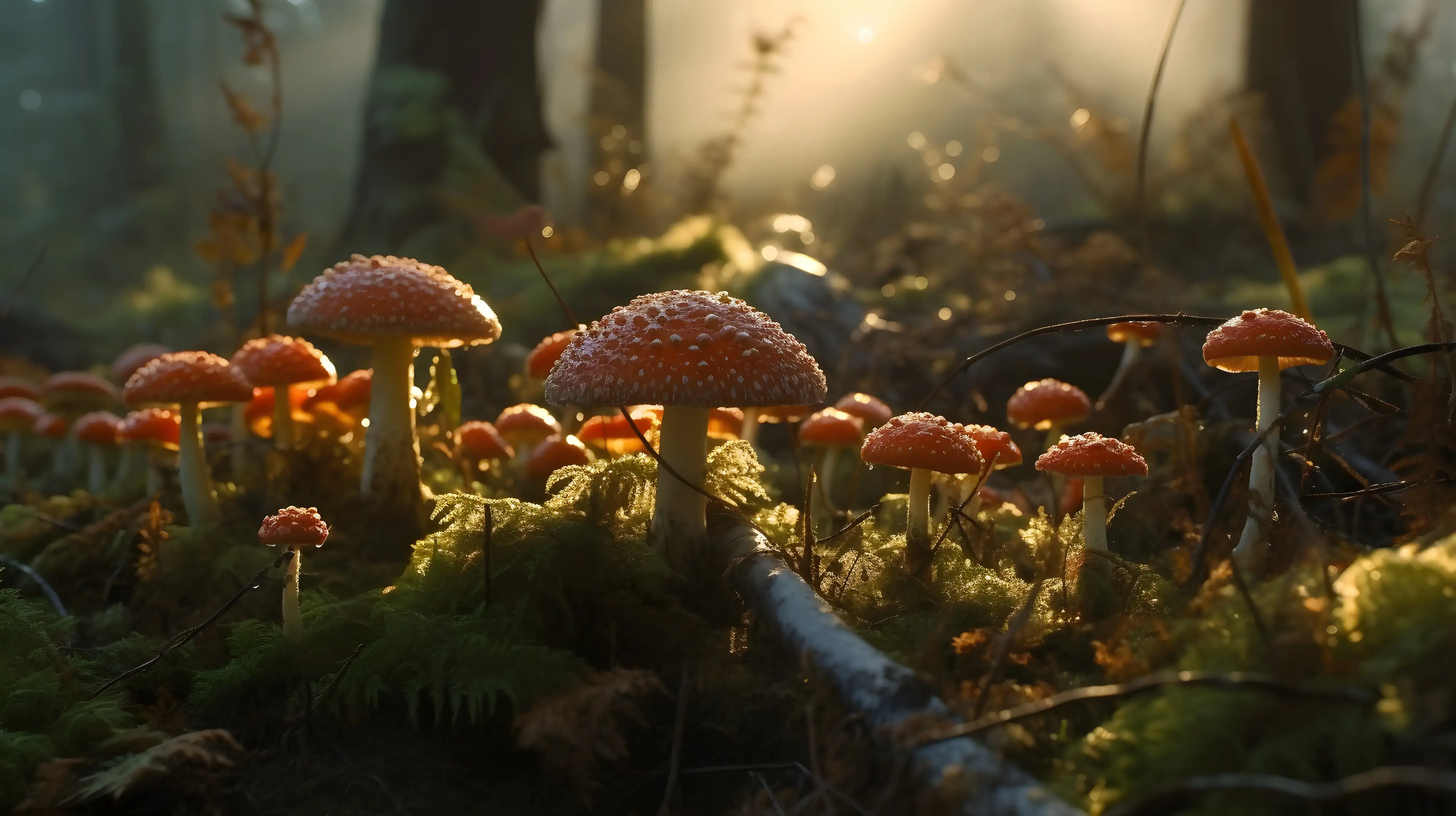
Amanita muscaria, commonly known as
fly agaric or
fly amanita. Technically this mushroom would fall under the psychoactive category as it can produce dreamlike states and lucid dreaming.
This distinctive mushroom features a bright red cap covered in white or yellowish spots, capturing the imagination with its otherworldly appearance. Amanita muscaria has a long history of cultural significance and has been used in various rituals and folklore traditions due to its profound psychedelic properties.
The psychoactive compounds present in Amanita muscaria are muscimol and ibotenic acid, which can induce a unique altered state of consciousness when ingested. These substances interact with brain receptors and result in hallucinogenic effects that can alter perception, cognition, and mood.
Although scientific studies on the potential health benefits of Amanita muscaria are extremely limited, users have reported anecdotal benefits related to mental well-being and restorative sleep.
However, Aminita is potentially toxic so it is crucial to exercise caution and avoid consuming them without expert knowledge on preparing them.
Are Psychoactive Mushrooms Nootropics?
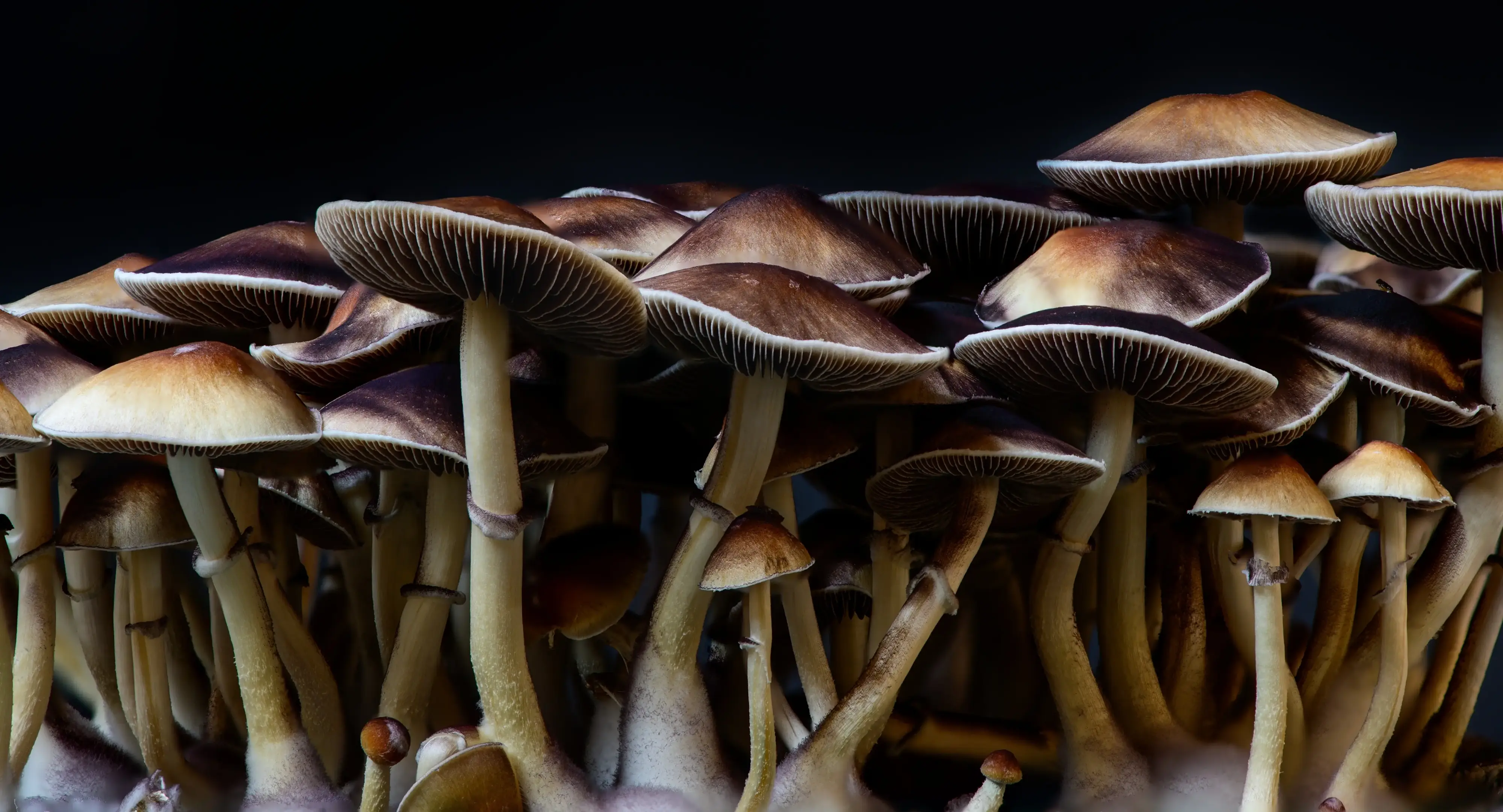
In any conversation involving the impacts of mushrooms on the brain, it's worth mentioning the psychedelic variety known as magic mushrooms or psilocybin mushrooms. These mushrooms have captivated human fascination with their enigmatic properties and profound effects on consciousness. While they are not typically classified as nootropics, some users have reported short-term cognitive enhancements during or after the psychedelic experience.
Beyond their recreational allure, recent research has touted the potential therapeutic benefits of magic mushrooms, showcasing their ability to alleviate mental health conditions such as depression, anxiety, and post-traumatic stress disorder (PTSD).
It should be noted that, unlike Amanita muscaria, psilocybin mushrooms are widely prohibited in the United States. The possession of these mushrooms can put you in significant legal jeopardy, and we only recommend consuming mushrooms and other products that are legal within your state/municipality.
To Sum it Up…
The growing awareness and exploration of mushroom compounds have opened up new possibilities for enhancing overall health and well-being. By incorporating these compounds into your daily routine, you may be able to tap into a remarkable range of benefits specific to each mushroom species. Embracing the power of these captivating fungi allows us to take an active role in nurturing our health and minding our minds.
Disclaimer:
Mushroom Nootropics may not be suitable for everyone. Before adding nootropic supplements to your routine, consult your physician if you fall into one of these categories:
- If you are taking prescription medications
- If you are pregnant or breastfeeding
- If you have liver disease or known liver problems
- It is also important to remember that effects may vary.
FDA Disclaimer: The statements made regarding these products have not been evaluated by the Food and Drug Administration. The efficacy of these products has not been confirmed by FDA-approved research. These products are not intended to diagnose, treat, cure, or prevent any disease. All information presented here is not meant as a substitute for or alternative to information from health care practitioners. Please consult your healthcare professional about potential interactions or other possible complications before using any product. The Federal Food, Drug, and Cosmetic Act requires this notice. 


.png?w=50&h=55&fm=webp&q=100)





 indica
 sativa