woman looking stressed

The Biology of Stress & Why Your Body Needs Time to Reset

Table of Contents

Key Takeaways
  • Stress is a natural survival response: Acute stress activates the sympathetic nervous system to provide quick energy and focus, while cortisol helps sustain alertness and supports the return to balance after a threat passes.
  • Recovery is essential to prevent chronic stress: When stressors pile up without enough time to reset, allostatic load can affect sleep, mood, focus, energy, appetite, cardiovascular health, and immune function.
  • A personalized reset routine can build resilience: Movement, slow breathing, less screen time, meaningful social connection, and consistent sleep can support the body’s rest-and-digest response and help manage everyday stress.
Humans evolved with stress, but our stress today is rarely triggered by a bear or tiger charging out of the forest. These days, stressful situations look more like an overdue bill, bumper-to-bumper traffic, or an out-of-the-blue text from your ex. Whether you notice it or not, stress shows up in a hundred and one ways in modern daily life.

Can we make stress totally disappear from our lives? Probably not! But we can practice stress management techniques to learn how to recover between spikes in cortisol.

So, with that in mind, we’ll answer the question, “What is stress?” from a biological perspective. ​Then, and perhaps more importantly, we’ll share how to curb its negative effects by building a stress-management routine that ensures your body gets the rest and recovery it needs before the next unexpected moment.

What Is Stress?

man swamped at work, stressed out

No matter who you are, you've experienced stress at some point in your life. But have you taken a second to ask, “What is stress?” What is really going on from a scientific perspective?

Stress is your body's built-in response to a threat, whether it's a real experience (being chased by a bear) or a more perceived one (deadlines at work). Stress evolved to give the mind and body a quick burst of focus, energy, and adrenaline to manage the threat—whatever it may be.

It starts by firing the sympathetic nervous system, which gives you the physical resources you need to fight or flee. This is acute stress: short-lived and intense.

Then, over the following moments (which can stretch into hours, days, or longer), the brain signals the adrenal glands to release another hormone, cortisol, which keeps energy flowing and your body on alert.

This type of chronic stress, if left unchecked, can cause broader internal dysregulation and wide-ranging symptoms, from weight fluctuations to irritability to forgetfulness.

Meet the HPA Axis: Your Body's Stress Communication System

hypothalamus

To understand stress, you have to learn about the little-known system called the HPA Axis. This is definitely not something most people learn about in Biology 101. The hypothalamic-pituitary-adrenal (HPA) axis is a physiological system made up of four distinct parts:
  • Hypothalamus
  • Pituitary gland
  • Adrenal glands
  • Cortisol

The Four Distinct Parts of the HPA Axis

Let’s get into the specifics of each and what role it plays with stress:
  1. Hypothalamus: This small region at the base of your brain operates like NASA’s mission control. When it detects an incoming threat, it sends an urgent chemical signal called corticotropin-releasing hormone (CRH). This hormone turns on all systems, readying for takeoff.
  2. Pituitary gland: This pea-sized gland sits just below the hypothalamus and acts like a relay station. When it receives the mayday CRH signal, the pituitary gland releases adrenocorticotropic hormone (ACTH) into your bloodstream, carrying the message to the next elements.
  3. Adrenal glands: These sit on top of your kidneys. When ACTH arrives, these glands release cortisol and other stress-related hormones, turning your brain's signal into a whole-body response: “All systems are a go, and it’s time to launch.”
  4. ​Cortisol: Cortisol is often called "the stress hormone," but its role in the HPA Axis is far more nuanced. In fact, it's much more accurate to describe cortisol as a multitasker. After the immediate acute stress response, it keeps energy available, supports ongoing alertness, and, most importantly, tells the hypothalamus and pituitary to ease off once the threat is gone.

Remember, Cortisol Isn't the Enemy; It’s a Tool

Social media is full of noise about cortisol, and much of the conversation paints this essential hormone in a negative light. But cortisol is an essential internal tool for managing and regulating both the stress response and recovery.

Cortisol is the main glucocorticoid hormone, which helps mobilize glucose and other energy resources to get you going. At the same time, it coordinates metabolic, immune, and cardiovascular systems to take a back seat until the threat is over.

It Starts with the Fight-or-Flight Response

woman suffering stress

Stress comes in two parts: acute (the immediate response) and chronic (the ongoing, sometimes dysregulated) experience.

Let’s start with acute stress, the initial fight-or-flight response. This near-instant type kicks off the moment your brain perceives a threatening experience.

Again, it doesn’t have to be a bear coming out of the bushes; it can be as mundane as a new bill arriving or even a near miss in the supermarket parking lot.

The Sympathetic Nervous System

Within seconds of detecting a threat, your sympathetic nervous system mobilizes you for action. Your brain releases a rush of adrenaline and noradrenaline, which raise heart rate, increase blood pressure, and adjust your breathing rate.

Nonessential processes, such as digestion, take a back seat as your body uses up its energy stores. In short bursts, this response is immensely useful, and it helped us survive long ago against prehistoric predators.

The Parasympathetic Nervous System

Once the challenge passes, the parasympathetic nervous system, sometimes called "rest-and-digest," helps bring everything back to baseline. Working largely through the vagus nerve and a release of cortisol, it slows your heart rate, gets other systems, again like digestion, back on track, and supports recovery.

Recovery doesn't happen with the flip of a switch, though. Your heart rate, alertness, and stress hormones can stay elevated for a while after the moment passes, and it takes time for your body to settle. That's where chronic stress comes into play. If a new stressor hits before your body has finished recovering from the last one, the stress response never fully shuts off.

When stressful demands keep piling up without a breather (and recovery phase) in between, researchers call the cumulative strain "allostatic load."

Chronic Stress: This Is What Happens When Stress Doesn't Settle Down

man stressed in a warehouse working

If you experience too many spikes without enough recovery, chronic stress will dysregulate the timing, strength, and triggers for your body's natural stress signals—aka allostatic load.

Here's how chronic stress can show up:
  • Sleep: Stress can disrupt your natural day-night rhythm, and poor sleep makes you more reactive to stress, creating a loop. You might notice restless nights, waking up unrefreshed, or dragging through the afternoon.
  • Mood: Ongoing stress affects the brain networks that help you manage emotions, leading to irritability, feeling overwhelmed, or explosive reactions to small things.
  • Focus: Staying on alert, plus too little rest, makes it harder to think clearly. That means brain fog, forgetfulness, or trouble making decisions.
  • Energy and appetite: Cortisol changes how your body uses fuel and signals hunger. Over time, that means unexpected energy crashes, cravings, weight loss/gain, or feeling "wired but tired."
  • Heart: Stress can raise blood pressure and spike heart rate momentarily. Repeated spikes without recovery can add strain over time and lead to hypertension.
  • Immune system: Chronic stress can change how your immune system responds. That might mean you’re catching every bug going around or taking longer to bounce back.

Stress and the Endocannabinoid System

Did you know the endocannabinoid system also plays a role in stress and recovery? That's right, the very same system that integrates perfectly with cannabinoids like THC and CBD also helps balance your stress response.

Researchers are finding that the endocannabinoid system helps keep the response from running off the rails, growing bigger or lasting longer than it needs to be. Its job is to bring you back to baseline once the stressful situation passes.

The current theory is that certain endocannabinoids like anandamide and 2-AG signal an increase or decrease in stress response. Like the HPA axis, the endocannabinoid system is prone to dysregulation, which means it becomes less responsive to these signals and loses its ability to buffer stress.

It’s Why Cannabinoids Can Help You Unwind

happy lady with thc drink

There’s a reason why so many people turn to this plant to calm themselves and reduce daily stress.

With researchers’ growing understanding of where the endocannabinoid system fits into the stress picture, should it be that surprising to discover that cannabis (and cannabinoids) might as well?

Cannabis interacts with your endocannabinoid system, which helps regulate processes like mood, sleep, your stress response, and overall balance. Researchers are exploring how these compounds may work alongside terpenes and flavonoids to shape each strain’s unique experience.

Here are four cannabinoids you'll see most often, and each comes with a distinct experience:
  • THC: A psychoactive cannabinoid associated with mood-lifting, relaxing effects.
  • CBD: No psychoactive effects compared with THC, but CBD comes with relaxing, calming, and clear-headed effects. 
  • CBN: A common addition to evening cannabinoid blends, with research supporting its pre-bedtime effects.
  • CBG: Often called the "mother of all cannabinoids," CBG supports relaxation and relief in your routine, especially when combined with other minor cannabinoids like CBDA.

How To Build Your Own Stress Reset Routine

woman relaxed, serene

So, what's the solution? How do you reduce stress in your daily life? There's no one-size-fits-all way to recover from periods of chronic stress—or even one really intense experience with acute stress. But many helpful habits have been studied over the years and, of course, used daily by people experiencing everyday stress.

Here are a few ideas to reduce stress in your own life. Mix and match to fit, and if cannabinoids are part of your routine, pair with a Hometown Hero favorite.

Move Your Body

A walk, a yoga flow, or a trip to the gym gives that built-up energy somewhere to go. It's been shown to make people more emotionally resilient in managing acute stress.

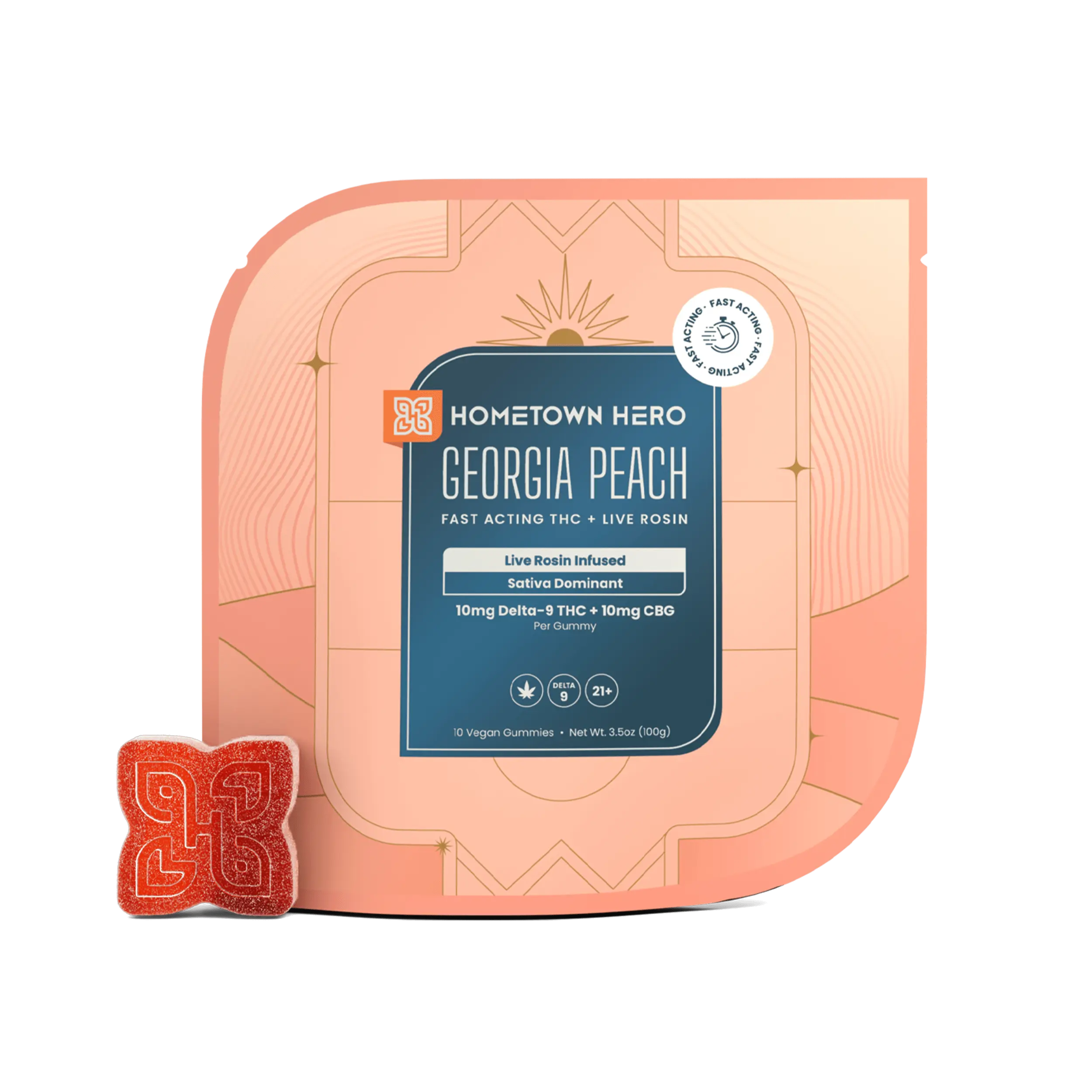
Pair it with: Georgia Peach Gummies. Each piece combines 10mg of delta-9 THC and 10mg of CBG with sativa-dominant live rosin.
Georgia Peach - Delta 9 Live Rosin Gummies
5 stars
54
Georgia Peach - Delta 9 Live Rosin Gummies
10mg D9/Pc 10mg CBG/Pc
Fast-Acting
sativa sativa
EXPLORE

Breathe

Slow breathing, especially long exhales, is one of the quickest ways to tap into your rest-and-digest system. Try five minutes of box breathing (count to 4 on the inhale, pause for 4, count to 4 on the exhale, pause for 4) on your lunch break.

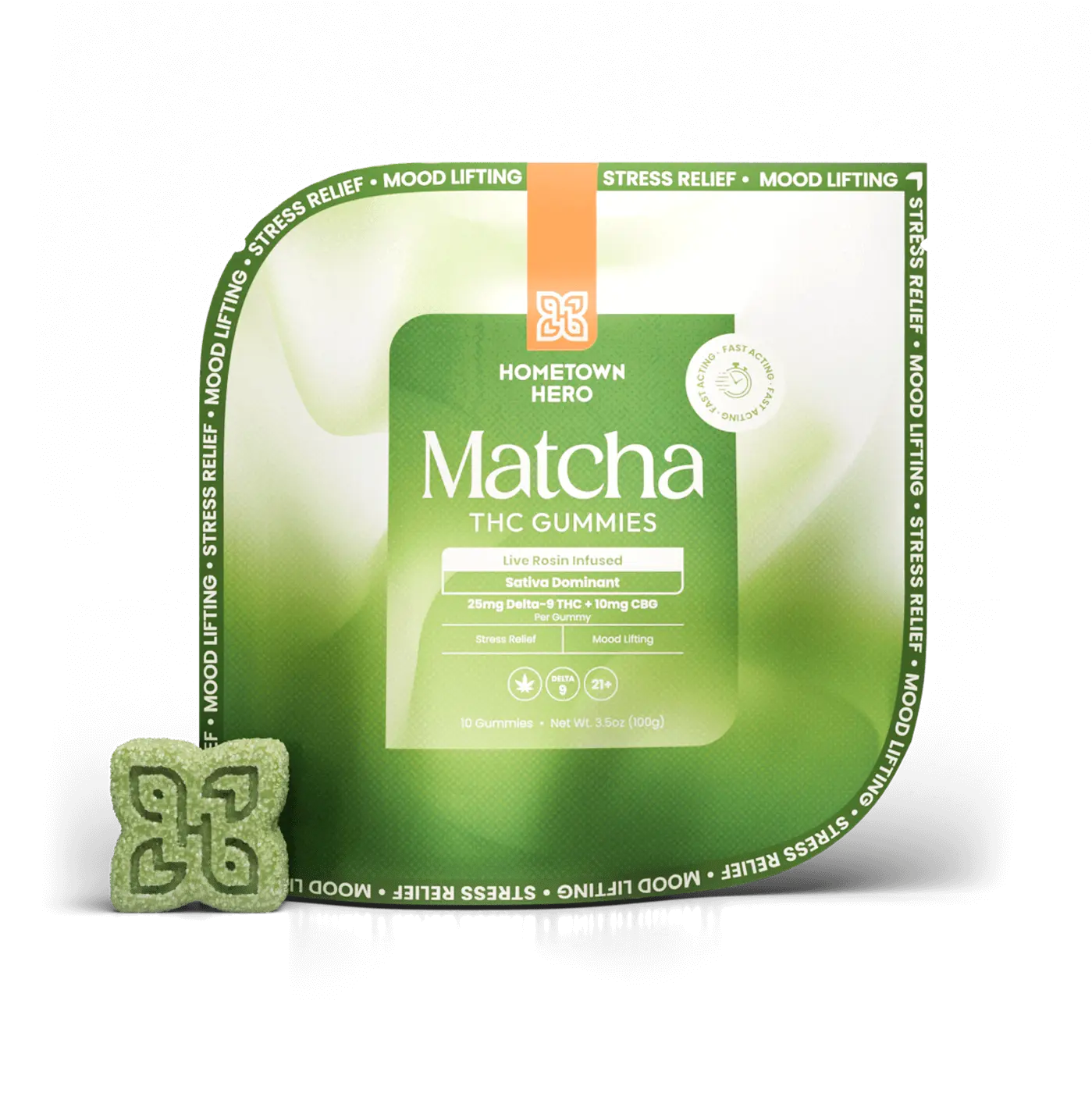
Pair it with: Matcha Gummies, made with real matcha powder, CBG, 25mg of delta-9, and Absolute Sativa live rosin.
bag of matcha gummies and single gummy
5 stars
74
Matcha - Delta 9 Live Rosin Gummies
25mg D9/Pc 10mg CBG/Pc
Fast-Acting
sativa sativa
EXPLORE

Disconnect

Constant pings keep your brain on alert, even when nothing's actually wrong. Set your phone to Do Not Disturb in the evening and let the notifications wait until you wake up in the morning.

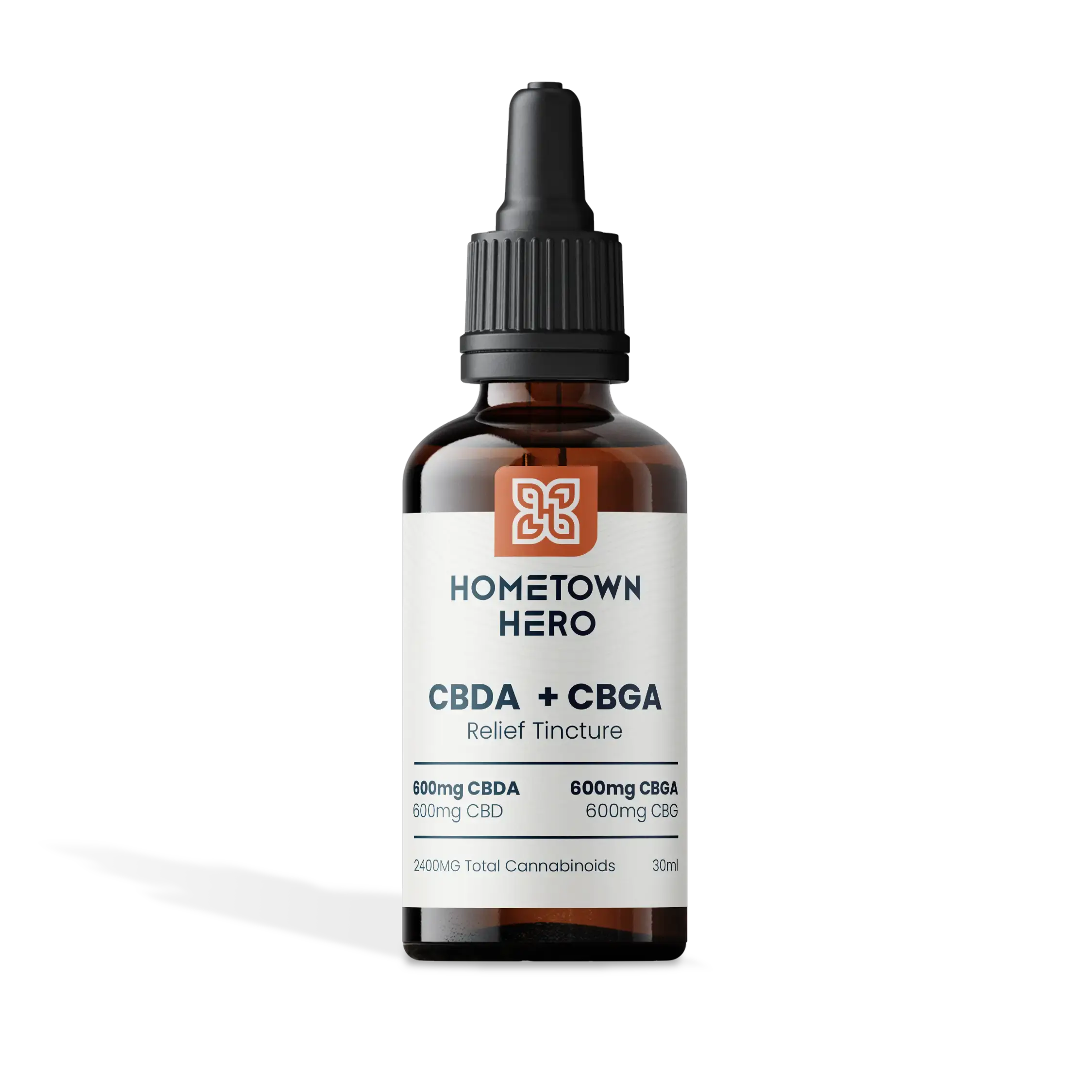
Pair it with: Hometown Hero Tinctures, CBDA + CBGA, as well as available delta-8 options; these easily stir into a warm cup of caffeine-free tea.
cbda cbga tincture
5 stars
114
CBDA + CBGA Tincture
600mg CBD/Pc 600mg CBDA/Pc 600mg CBGA/Pc 600mg CBG/Pc
EXPLORE

Spend Time with People You Love

Time with friends, family, and pets is one of the most natural resets there is. Plan a backyard hang, a long dinner, or a walk with your dog. This is like the people-equivalent of touching grass, because loved ones help ground you in the present moment.

Pair it with: Our 5mg THC Lemonade Variety Pack. These sparkling, fast-acting cans make an easy swap for the usual six-pack.

Sleep (and Sleep Well)

Your cortisol naturally dips at night, and a consistent wind-down ritual helps your body follow that rhythm. Dim the lights, take a hot bath, kill the blue light from screens, and try reading for a bit.

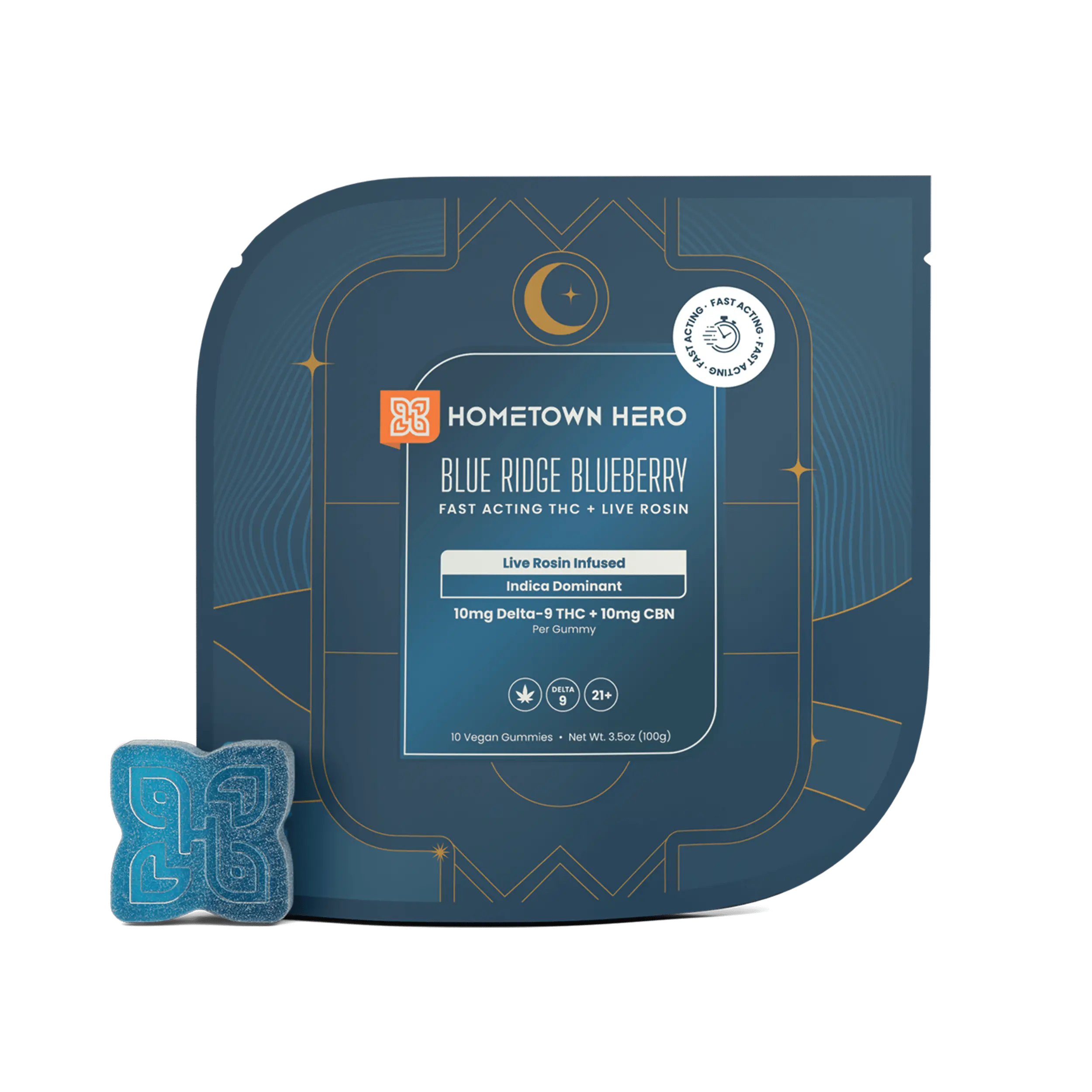
blue ridge blueberry gummies
5 stars
25
Blue Ridge Blueberry - Delta 9 Live Rosin Gummies
10mg D9/Pc 10mg CBN/Pc
Fast-Acting
indica indica
EXPLORE

Pair it with:
Blue Ridge Blueberry Gummies, which blend 10mg of Delta-9 THC and 10mg of CBN with indica-dominant live rosin for relaxing, body-focused effects ideal for winding down. 

Stress Is Part of the Human Condition, So Make Recovery the Goal

Woman relaxing in the bathtub

Stress is a natural part of life and, to some degree, is inescapable. Deadlines, bills, busy schedules, and the stress that comes with them aren't going anywhere.

Instead of focusing on eliminating stress, practice managing stress through rest and recovery. With deeper recovery, you’ll build more emotional and physical resilience to meet the next challenge with more capacity in the tank.

So take a long exhale, unwind, and until next time, mind your mind.
Follow us
Trending now
Related Posts
Stir, Sip, and Stress Less: How Magnesium Glycinate Helps You Relax
September 24, 2026
Stir, Sip, and Stress Less: How Magnesium Glycinate Helps You Relax
9 Tips For Dealing With Daily Stress
September 24, 2026
9 Tips For Dealing With Daily Stress
Explore all posts