
Icon
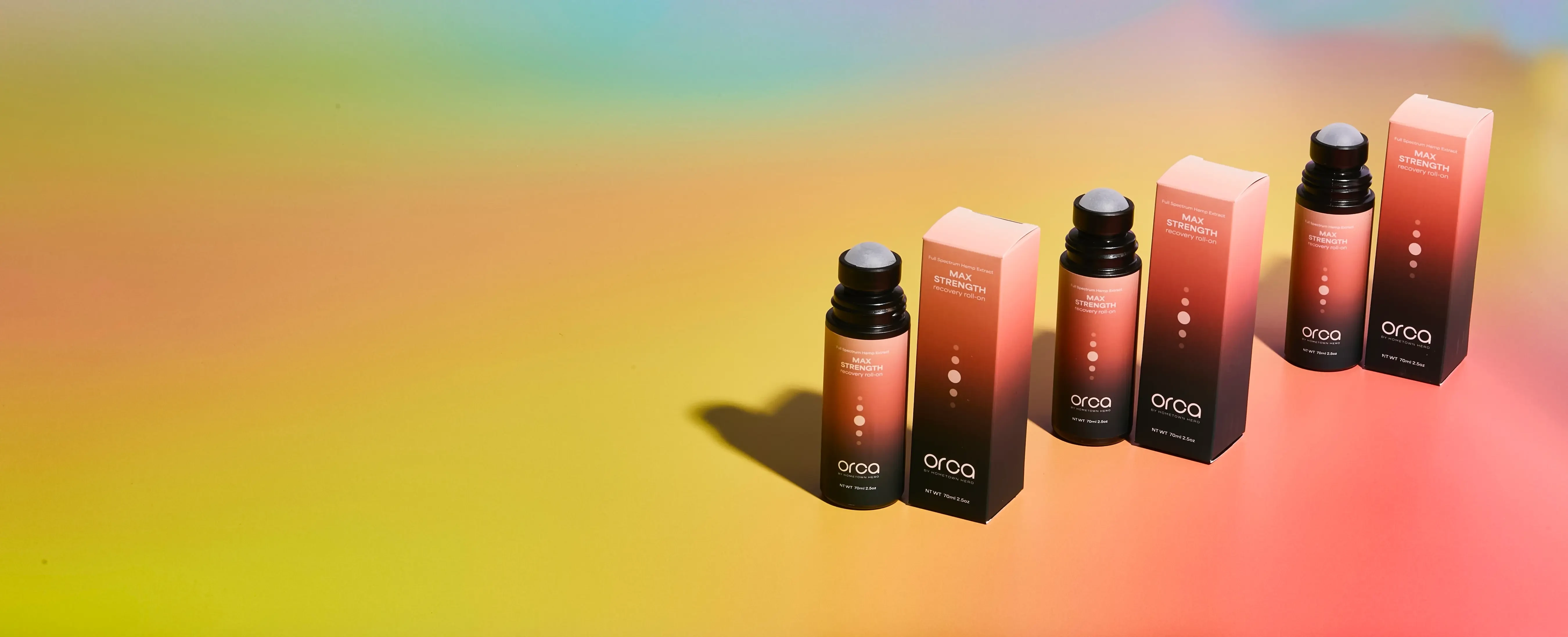
assortment of thc topical products

Cannabis Topicals: How Do They Work?

Table of Contents

Key Takeaways
  • Cannabis topicals work by cannabinoids binding to cannabinoid receptors (both CB1 and especially CB2) in the skin, providing localized relief without psychoactive effects.
  • THC topicals tend to have a stronger binding affinity to ECS receptors than CBD topicals, potentially offering more pronounced effects, but neither causes a high.
  • Due to insufficient research, using topical THC products before drug tests is not advisable, as they may possibly result in positive test results.
There are many different ways to consume cannabis. You can smoke it, vape it, eat it, drink it, or even drip it onto the glands underneath your tongue. But when it comes to application on the skin, many are left a bit puzzled about how- and if- the cannabinoids can deliver any effects.  

Let us set the record straight: cannabis topicals do work. But how? Below, we'll explore the science behind cannabis topical products, including the endocannabinoid system, the differences between CBD and THC topicals, and even whether these products could make you fail a drug test.

The Endocannabinoid System 

To understand how topical THC works, you'll first need a rundown of the endocannabinoid system, or "ECS" for short. The ECS is a vast network of receptors and chemical messengers throughout the human body. There are ECS receptors in almost every organ, from the brain to the skin. 

Believe it or not, every mammal has an endocannabinoid system. But contrary to a common misconception, that doesn't mean humans and other organisms evolved to consume cannabis. The ECS was actually named after cannabis only because scientists in 1988 discovered the system while trying to figure out which mechanisms in the nervous system were activated by THC. 

This system naturally uses chemicals produced in the body, called "endocannabinoids," to regulate various bodily functions. It plays a significant role in memory, cognition, sleep, appetite, pain management, and other functions. 

There are two known receptors in the ECS: CB1 and CB2.  There are more CB1 receptors in the brain than any other receptor type. These receptors help regulate the activity of most neurotransmitters (chemical messengers that carry messages from one nerve cell to another). 

The second type of endocannabinoid receptor, CB2, is primarily expressed in immune tissues. Some examples of immune tissues include: 
  • Skin
  • Bone marrow
  • Tonsils
  • Spleen
  • Mucous Membranes 
But how do they help with our immune responses? In one instance, research has shown that CB2 receptors play a role in regulating gastrointestinal inflammation

How Does a Cannabis Topical Work?

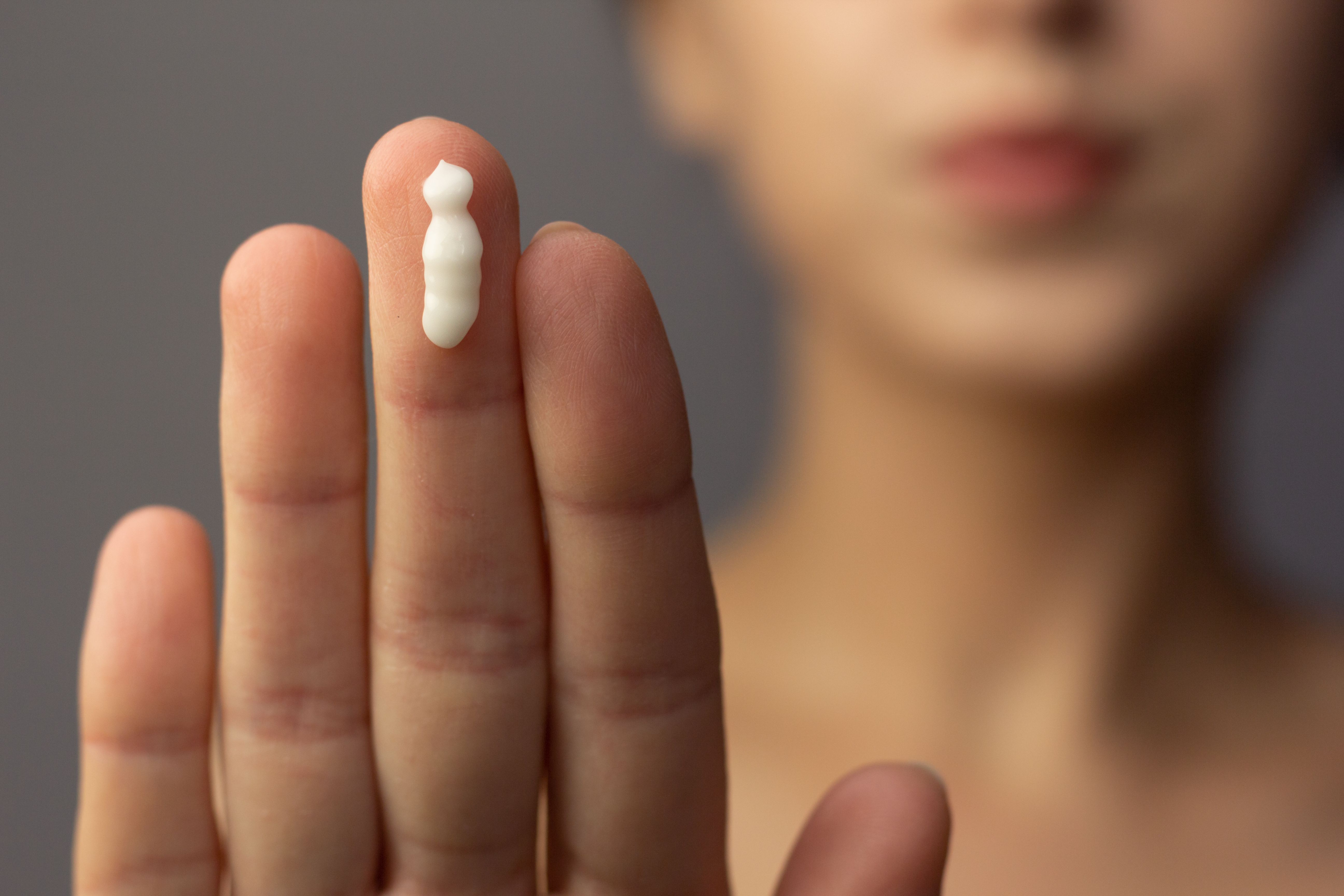
woman's hand with dollop of THC topical

The truth is that your skin is quite absorbent. It protects our body against dust and larger particles, but smaller compounds can still go through the outermost layer. 

There are many ways that THC, CBD, and other compounds can enter the skin, including through hair follicles, pores, or diffusion (when molecules move from an area of high concentration to an area of lower concentration). 
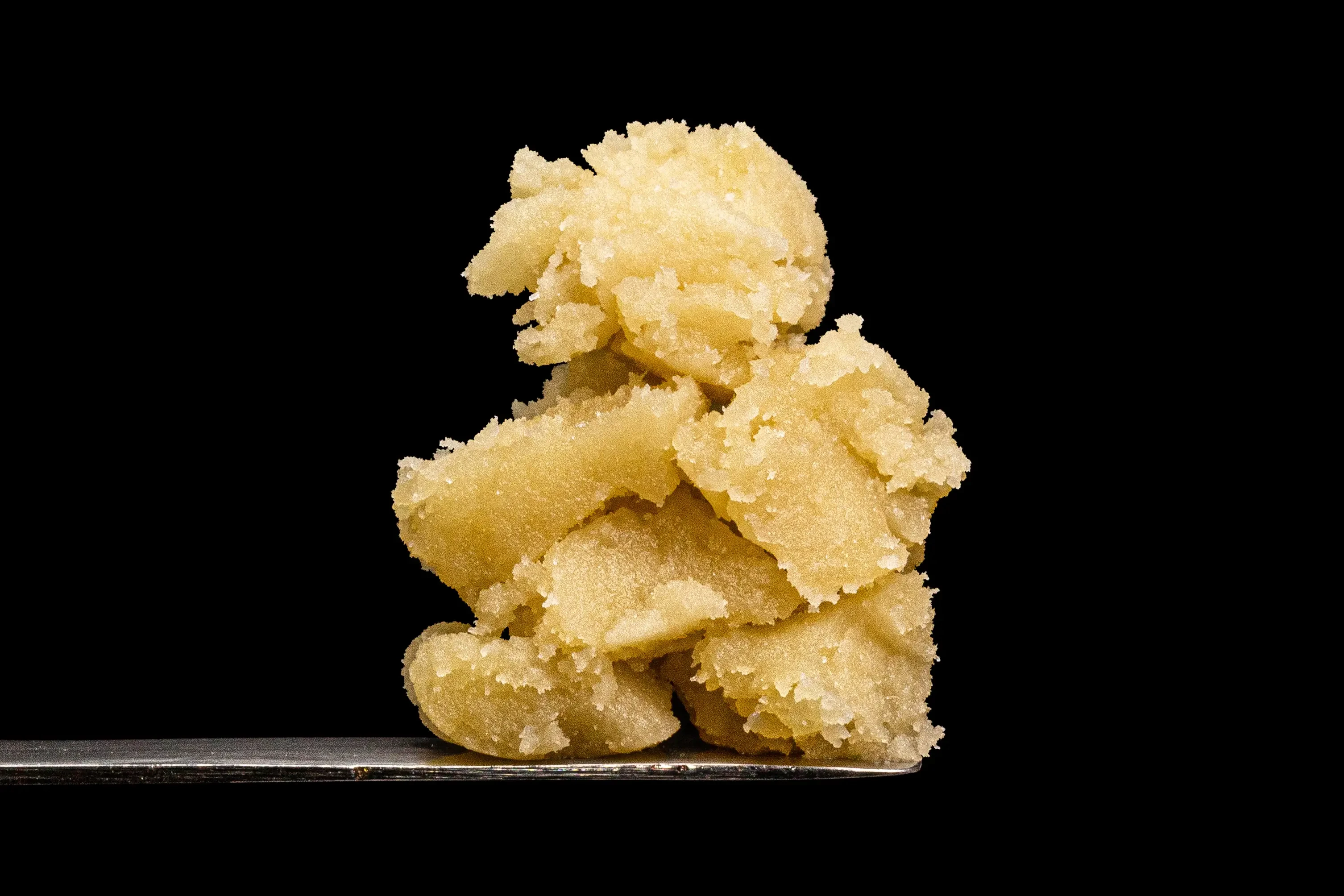
So, let's say you put some THC balm on your arm. Once the THC has "breached" the outermost layer of skin, it will bind onto the CB1 receptors located beneath, which, in turn, deliver localized effects

What Are the Effects of THC Topicals?

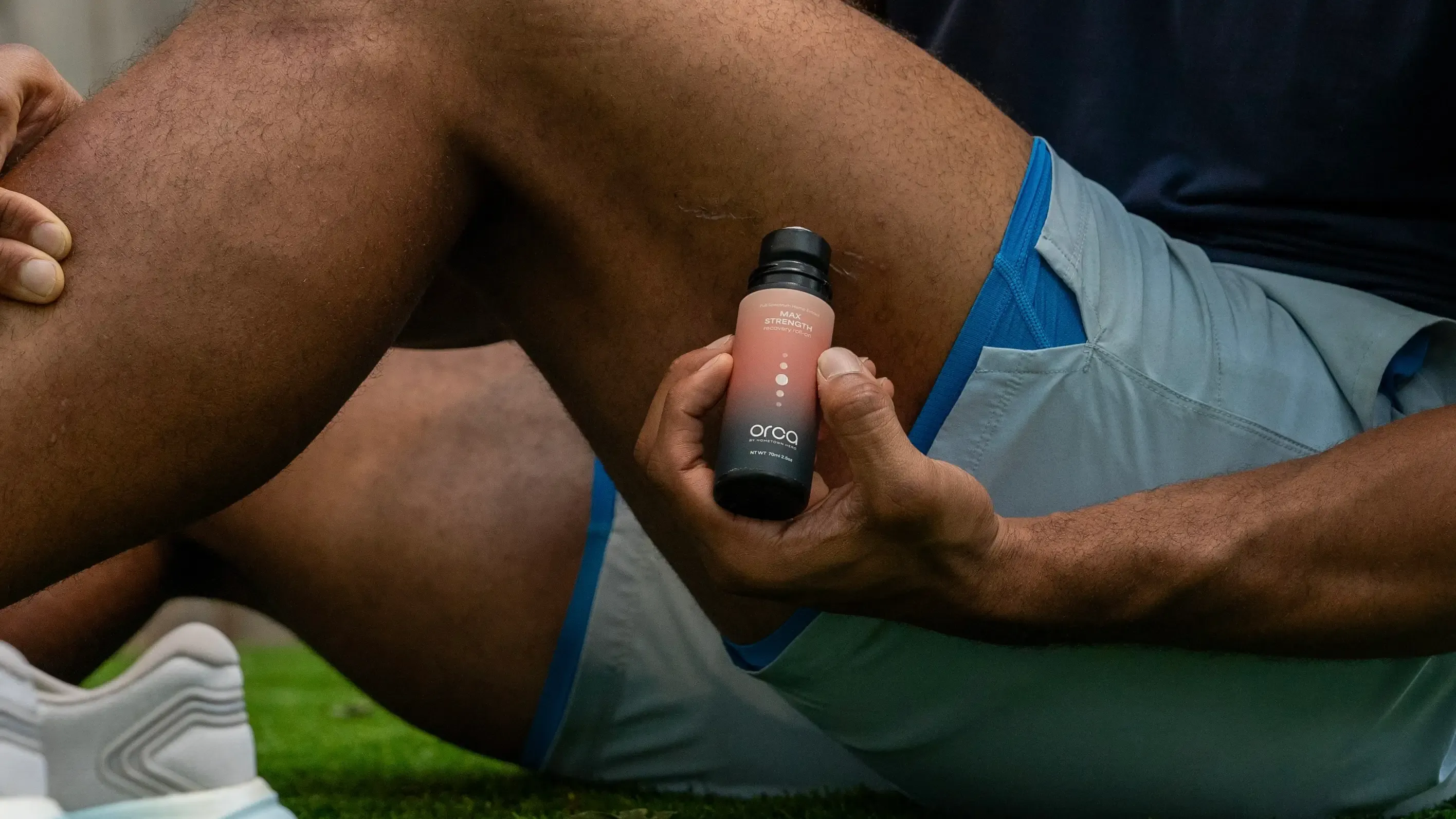
man applying a THC roll on to his quads

THC topicals offer targeted relief without psychoactive effects. Generally, people apply them to areas of the body that may feel sore from workouts or other causes. Some of the ways enthusiasts have described the effects include: 
  • Soothing
  • Relieving
  • Comforting
Anecdotal evidence suggests that it takes several minutes for the effects to take in, with results lasting between 1-2 hours. Keep in mind that these products affect everyone a bit differently, so results may vary. 

THC topicals generally come in cream, balm, or roll-on form. To use a topical THC product, apply it to the area where relief is needed, wait for the effects to set in, and reapply as you see fit. It's that simple. 

THC Topicals vs. CBD Topicals

In general, people choose THC over CBD or vice versa because one is psychoactive and the other is not. When you consume a THC edible or smoke flower, THC enters the bloodstream and binds to CB1 receptors in the brain and produces a "high." THC even activates the CB2 receptors in your immune and peripheral tissues when consumed as an edible or inhalable, just to a lesser degree. 

But the psychoactive-or-not rationale doesn't necessarily hold up with cannabis-infused topicals. Whether you opt for a CBD or THC cream, you will likely not experience any psychoactive effects. As stated earlier, their effects are targeted in a specific locale

Whether one is more effective ultimately depends on one's body's endocannabinoid system. However, you should consider the differences in binding affinity between THC and CBD. 

As mentioned earlier, the endocannabinoid system has two main receptor types: CB1 and CB2.  CBD has very little binding affinity to cannabinoid receptors; it tends to indirectly modulate these receptors, while THC's for both is much stronger. If you are looking for greater activation of these receptors (and thus, potentially, more accurate effects), you should go with THC topicals. 

Will a THC Topical Make You Fail a Drug Test?

drug test form closeup

Whether it's THC or CBD applied topically, we recommend staying away from topical cannabis products if you have a drug test (whether blood or urine) coming up, including topical THC products. 

As of this writing, there is not enough comprehensive research to determine if a THC topical will or will not yield positive results for a drug test, and it's best to stay on the side of caution if you think you may be drug-tested in the near future. 

Summary 

That's all you need to know to get started on THC topicals. Essentially: 
  • You have cannabinoid receptors in your skin
  • Topical cannabis products activate these receptors without psychoactive effects
  • THC has a stronger binding affinity to both ECS receptors than CBD
  • You should avoid all cannabis products if you have a drug test coming up
Until next time, happy exploring, and mind your mind.
FDA Disclaimer: The statements made regarding these products have not been evaluated by the Food and Drug Administration. The efficacy of these products has not been confirmed by FDA-approved research. These products are not intended to diagnose, treat, cure, or prevent any disease. All information presented here is not meant as a substitute for or alternative to information from health care practitioners. Please consult your healthcare professional about potential interactions or other possible complications before using any product. The Federal Food, Drug, and Cosmetic Act requires this notice.
Follow us
Related products
ORCA Max Strength Recovery THC Roll-On
120mg D9/Pc 1000mg D8/Pc
Explore collection
Related Posts
Cannabis, Alcohol, and Caffeine - How Do They Interact?
May 21, 2026
Cannabis, Alcohol, and Caffeine - How Do They Interact?
Beyond 4/20: Cannabis Celebrations & Protests Around the World
May 21, 2026
Beyond 4/20: Cannabis Celebrations & Protests Around the World
Explore all posts