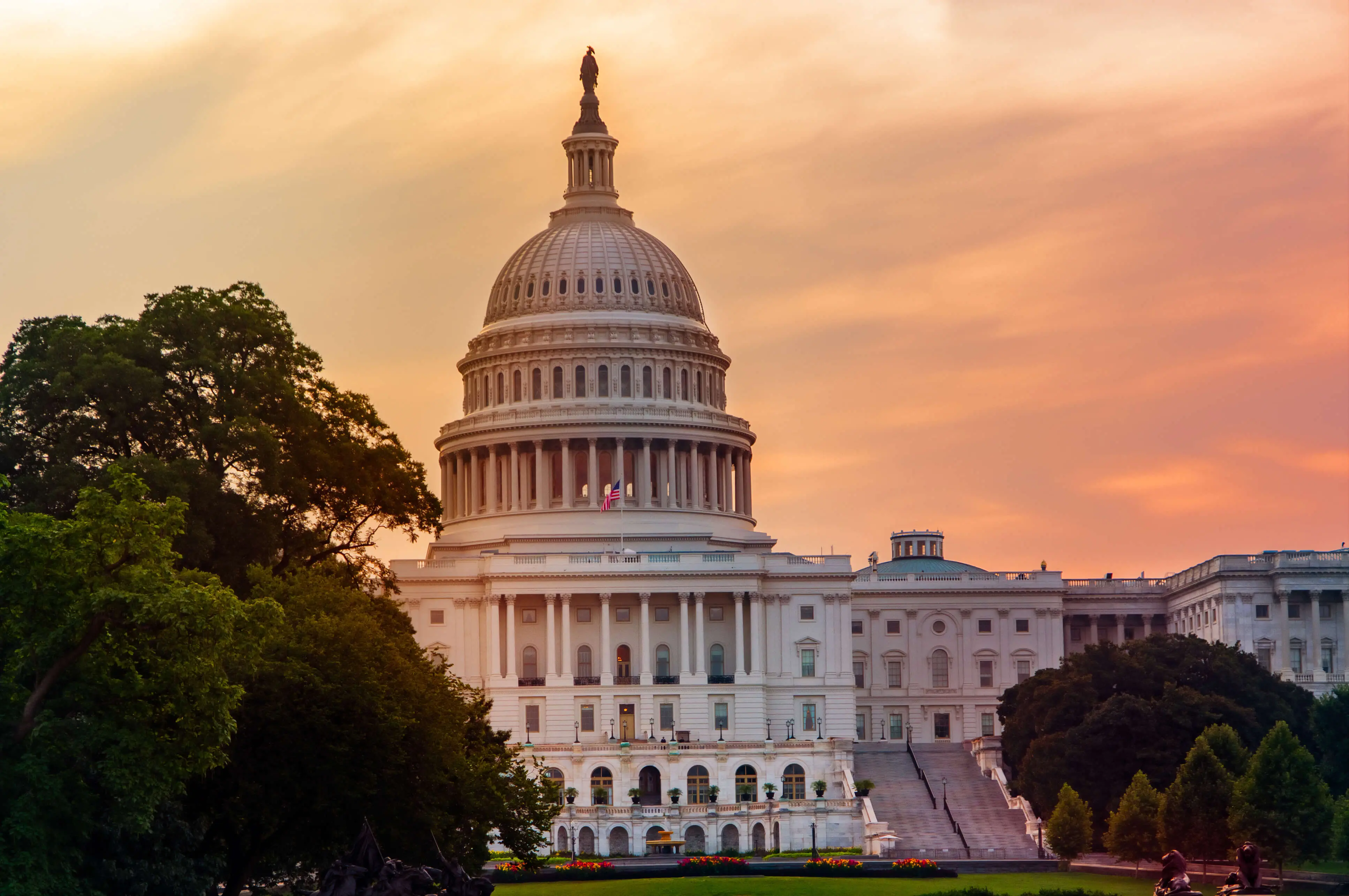
Last year, the U.S federal government was locked in its second-longest shutdown in history (only to be topped by the shutdown that occurred between February and April earlier this year).
A government shutdown is when the legislative branch (Congress) fails to pass key bills that fund or authorize the executive branch's (the President's) operations. To end a shutdown, Congress must agree on a funding bill to get everything up and running again.
With last year’s shutdown dragging on longer and longer, lawmakers were under immense pressure to get everything back in order.
After 15 failed attempts and growing pressure, Senator Mitch McConnell saw the perfect opportunity to get hemp-derived cannabinoids banned on a federal level. Essentially, the senator pulled a dirty trick called a “rider,” which means putting an unreal, often unpopular provision in an otherwise popular or “must-pass” piece of legislation.
But now, with the passing of the Continuing Appropriations and Extensions Act, 2027, there is some hope for federal hemp legality.
What Does This Mean?
To outsiders, a few extra weeks added to hemp’s federal legality may seem like a drop in the bucket. However, to industry advocates, this delay provides hope, or as the
U.S. Hemp Roundtable puts it:
"The extension gives us something invaluable: time. Time to work with lawmakers, regulators, stakeholders, and industry leaders to advance a responsible framework that protects consumers, prevents youth access to intoxicating products, supports farmers and businesses, and preserves access to lawful hemp products for millions of Americans."
So, in short, the fight is not over yet, but such a delay can give advocates additional time to push for better policy at the federal level.
What’s Next?


.png?w=50&h=55&fm=webp&q=100)













 indica
 sativa