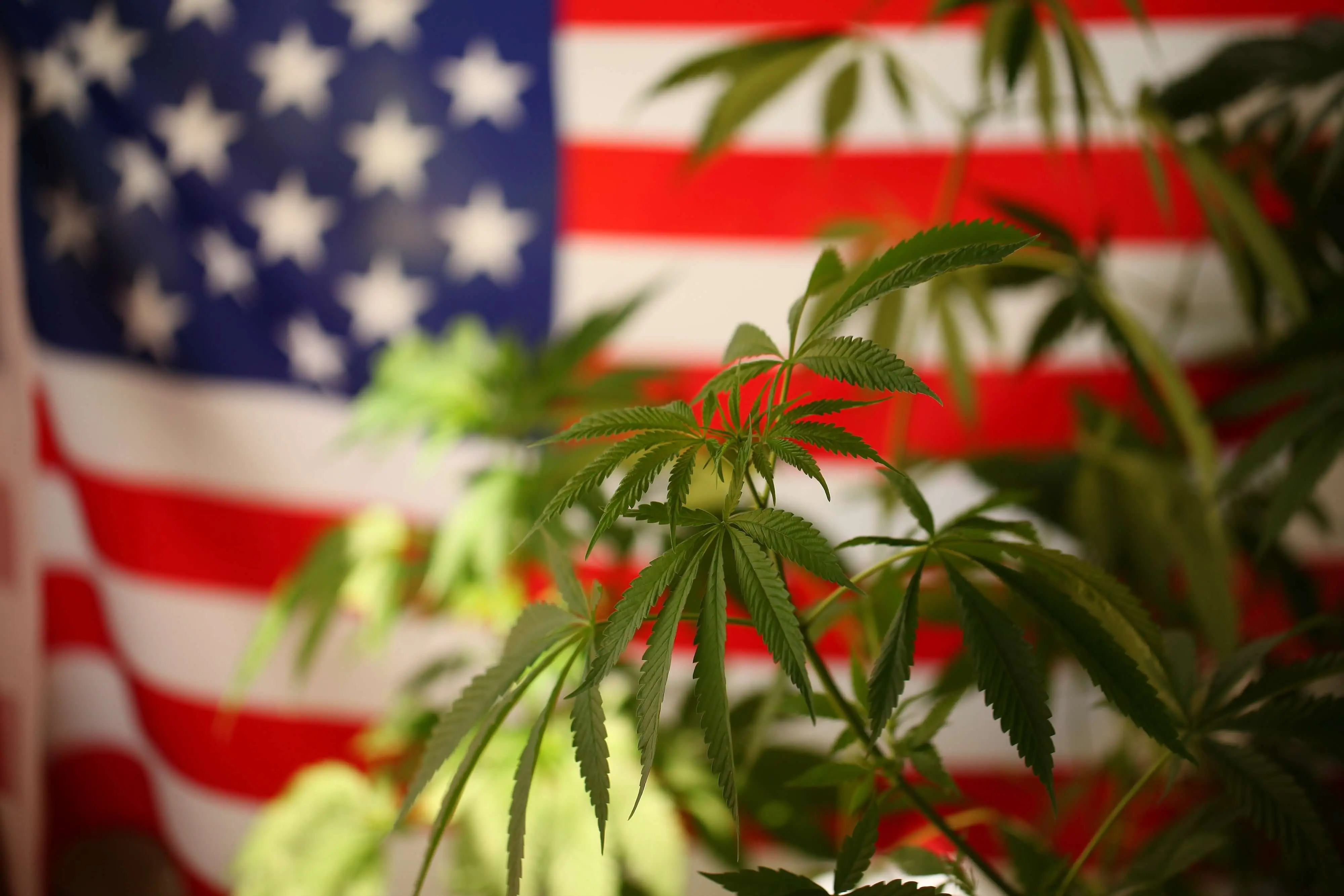
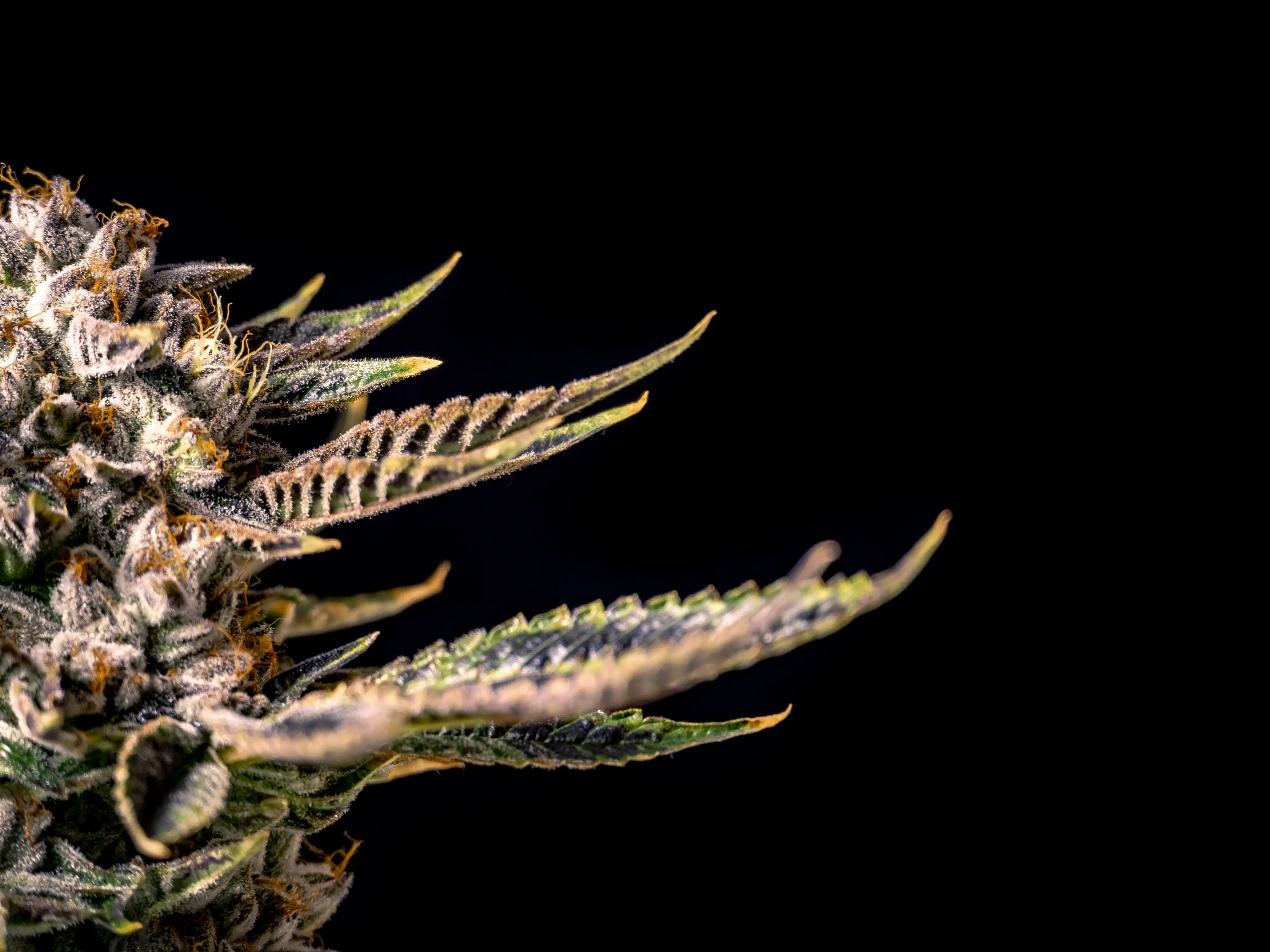
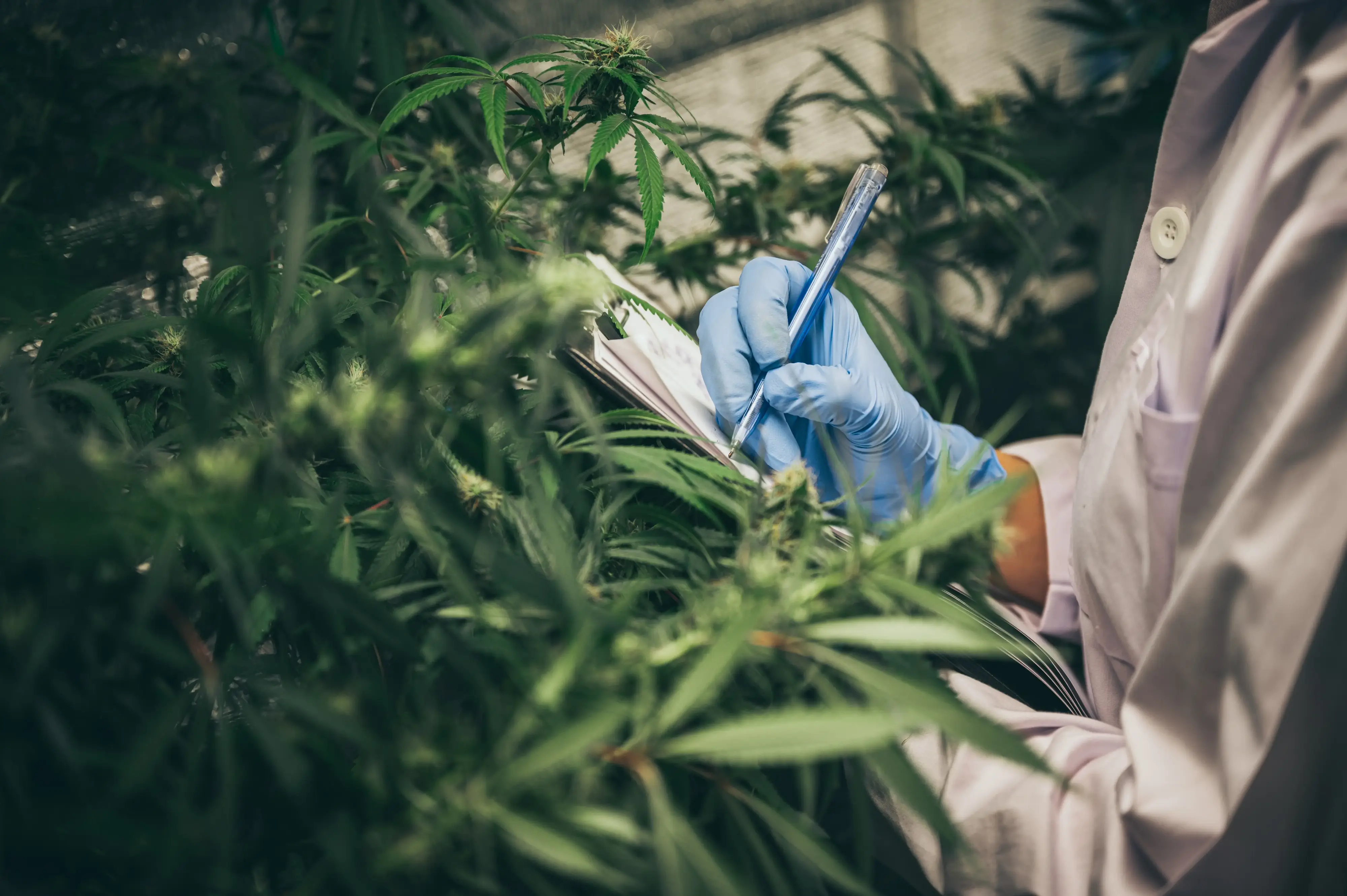
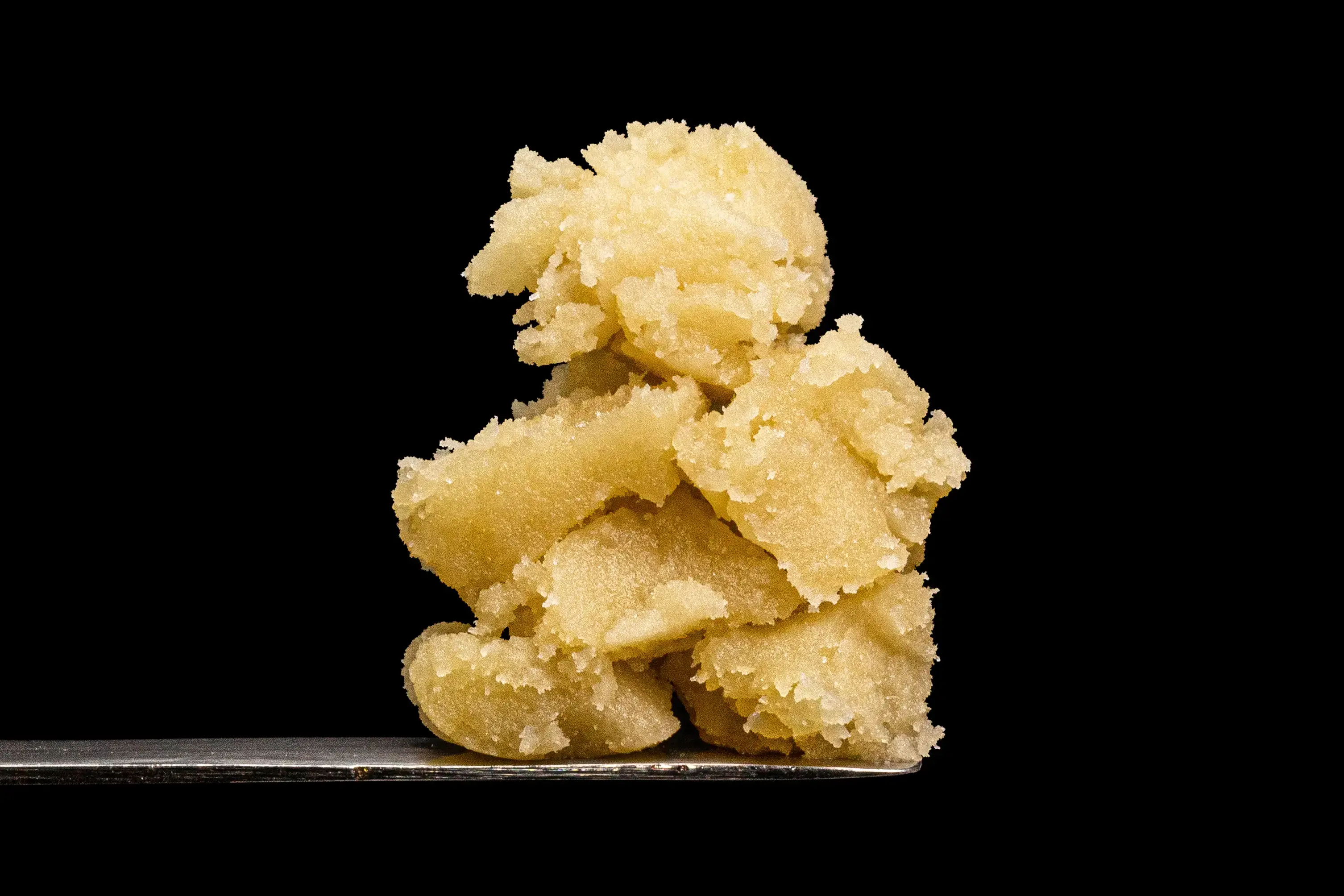
cannabis plant with black background

How are Cannabis Strains Made?

Table of Contents

Key Takeaways
  • Cannabis strains are created through traditional and modern breeding: Breeders cross male and female plants, select desirable traits over multiple generations, and use techniques like hybridization, cloning, and tissue culture to stabilize and maintain unique cultivars.
  • Genetics, terpenes, and cannabinoids define strain uniqueness: The genetic makeup determines cannabinoid levels (THC, CBD) and terpene profiles, which shape each strain’s flavors, aroma, and effects, with landrace strains serving as foundational genetic sources.
  • Hemp strains can be developed similarly by breeding cannabis genetics into plants with less than 0.3% THC. By using hemp-derived renditions of cannabis cultivars, breeders create federally legal products that capture the essence of popular cannabis strains, offering their experience in forms like Live Rosin Gummies.
When it comes to cannabis, you could argue that the strain is everything. From Blue Dream to Sour Diesel and Northern Lights to Gelato, there is a world of new aromas, flavors, and effects to discover with every session.

Officially known as a cultivar, each strain is a unique genetic expression and phytochemical mix that produces this experience. And at this point in the evolution of cannabis, there are thousands (maybe even tens of thousands) of different strains available.
But have you ever wondered how all these cultivars came to be, and how breeders keep this diversity alive today? This article covers it all.

The Genetic Foundation of Cannabis

cannabis flower plant

Let's start at the very foundation of all life: genetics.

Cannabis genetics are the inherited instructions, passed down through genes and related genetic elements called alleles, that set the guardrails for everything from cannabinoid profile and terpene makeup to physical appearance.
Just like with humans, cannabis is a dioecious species. This means plants come in male and female forms (although there are always outliers known as hermaphrodites, aka hermies, among growers). Female plants produce the flowers cultivators rely on; male plants supply the pollen.

To reproduce, whether in the wild or in a carefully controlled breeding program, female cannabis flowers must get pollinated from nearby male plants. The seeds from this process contain traits from each parent plant.

Traditional Breeding: The Art of the Cross

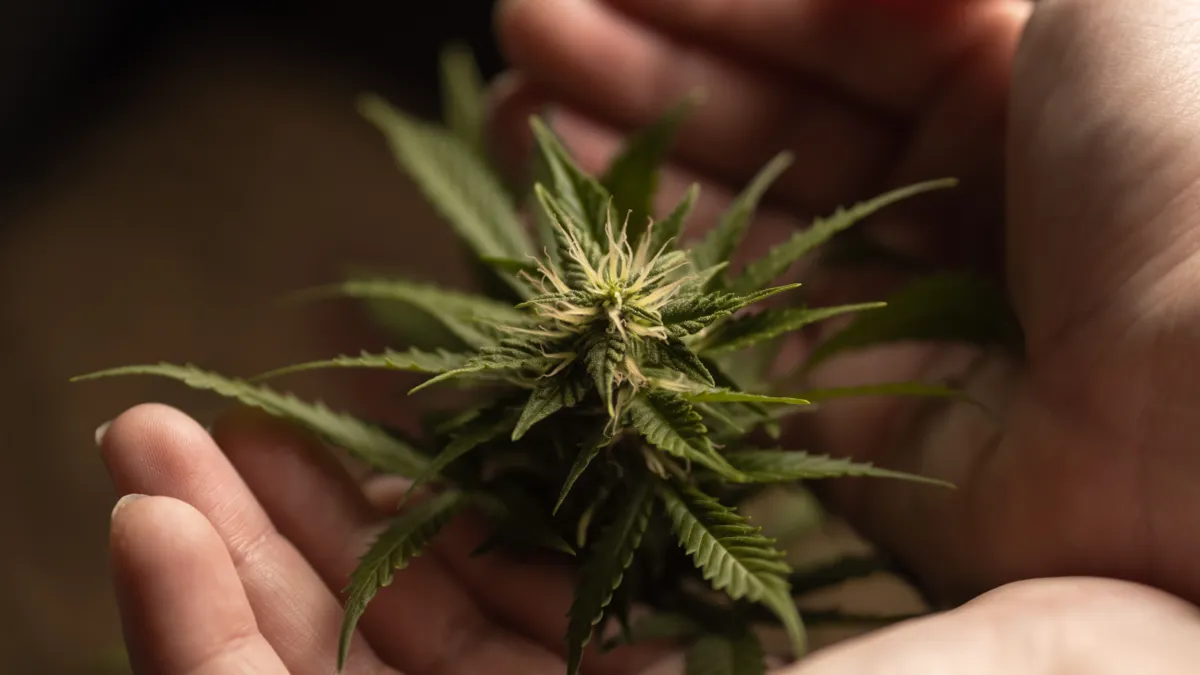
close-up of a cannabis bud in palms

Traditional cannabis breeding starts with the birds and the bees, or in the case of this plant, with carefully transferring pollen from a chosen male plant to a female's flowers. Once the female produces seeds, those genetics are then grown out for several generations until the desired strain characteristics stabilize into a more predictable outcome.

Here’s what it looks like:
  • Pollination: Breeders choose two parent plants with traits they love and transfer pollen from the male to the female's flowers.
  • Grow out the first round of seeds: The resulting seeds (called the F1 generation) produce plants with a wild mix of traits from both parents. These are siblings but not twins, so there can be a lot of variation. Breeders grow out multiple F1s and watch what happens.
  • Selection: Hopefully a few F1s show promise. The breeder carefully selects the most promising individuals to breed out again (often with one of the parents or another F1). This process repeats for several rounds, into F2, F3, and into later generations, which helps stabilize the chosen traits.
  • Stabilization. After enough generations of selection, the offspring consistently express the same characteristics. At that point, the strain is considered stabilized.
This process doesn’t happen overnight. Traditional breeding takes time and patience—often years of careful growing, meticulous notes, and attention to detail.

The Modern Era of Cannabis Was Founded on Landrace Strains

A brief interlude here between traditional breeding and the modern era, to explore what are known as landrace strains. For many OG breeders, these are the be-all and end-all of cannabis genetics.

Landrace strains are indigenous and evolved by happy accident in Mother Nature. Whether in the harsh mountain climate of the Himalayas or the tropical forests of Hawaii, the plants' genetics developed in isolation and in response to the environment.
Usually, landraces aren’t that potent compared with the strains we see today. But their genetic purity and unique traits make them very appealing to breeders. Anytime you see a region in the strain name, like Afghani, Acapulco Gold, or Hindi Kush, this is a sign that you’ve landed on a landrace. 

But these days, pretty much any strain you choose can trace its way back to a landrace or two within its family tree.

Modern Breeding Techniques and Considerations

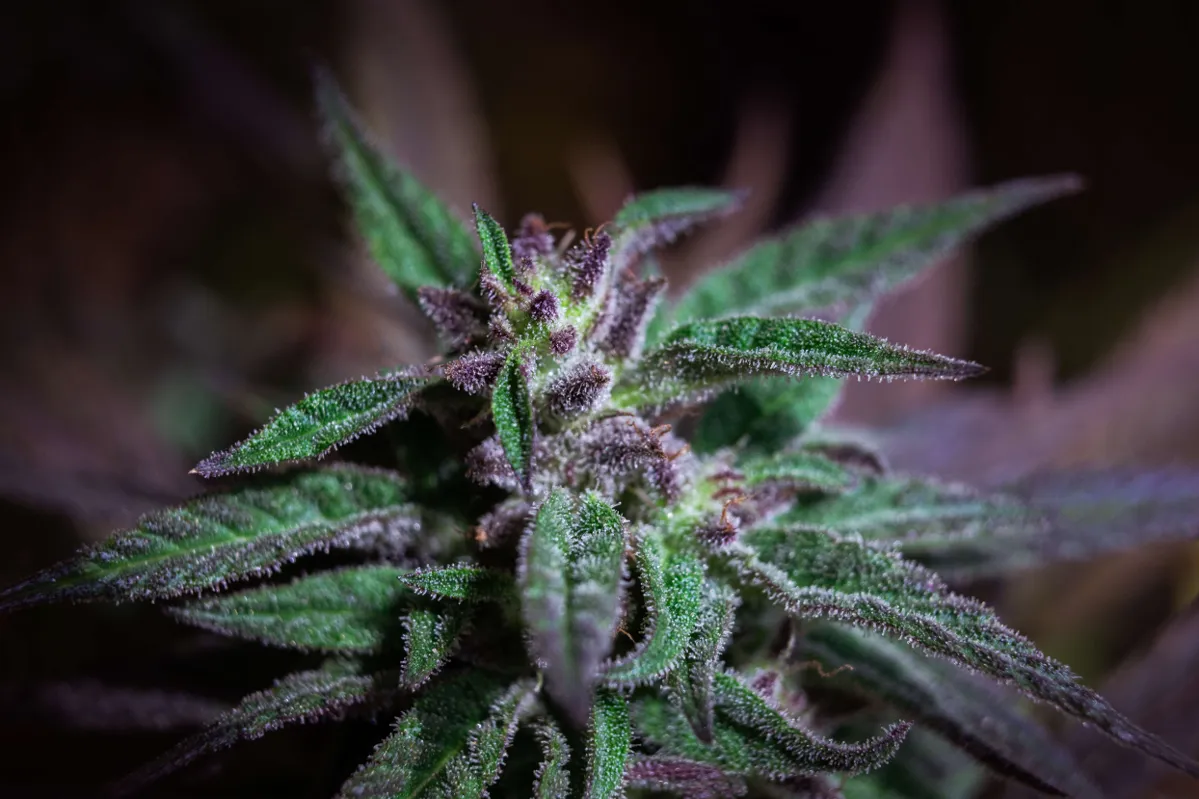
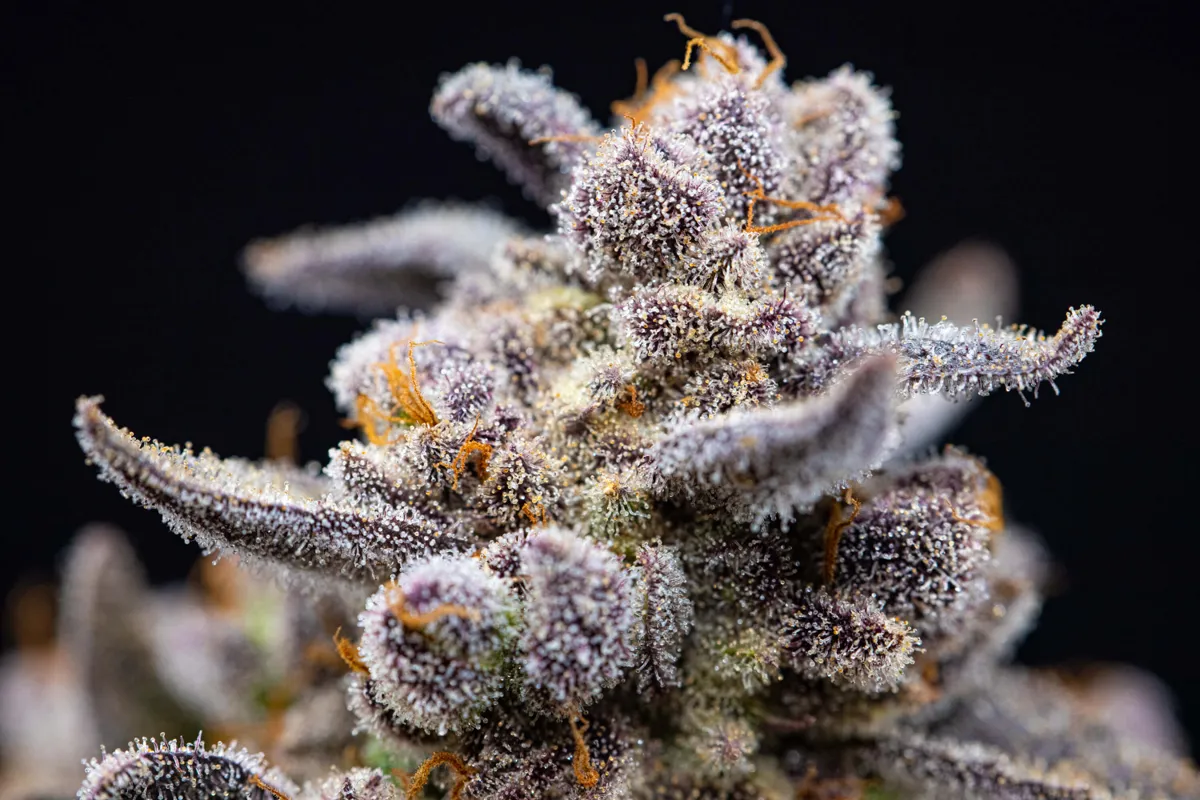
gelato cannabis flower closeup with trichomes

Back in the old days, all cannabis strains came from a male crossed with a female through the traditional approach. While the fundamentals of reproduction are the same, the science has come a long way, and so has the tech.
Just ask any breeder today how they create new strains and maintain current ones. They’ll probably lead you down a rabbit hole of scientific concepts that few of us have heard about.

Phenohunting, genetic analysis, tissue culture…this is what powers cannabis today:

Modern Hybridization

Hybridization means leaving nothing to chance. It requires carefully crossing two cultivars (remember, this is the more technical name for strains) to combine specific desirable traits.

A breeder might pair a strain with blockbuster THC content to one known for disease resistance. This might involve genetic analysis, and it definitely involves heavy documentation and strict SOPs. Popular hybrids like Girl Scout Cookies and Permanent Marker came from this kind of deliberate pairing.

Cloning and Propagation

Cloning is not breeding, but it often gets lumped in with the concept. Like Dolly the sheep, a cannabis clone is the exact gene-for-gene replication of the mother.

In cannabis, it means keeping a large, healthy female plant in a perpetual state of vegetation (not in flower), then growing out cuttings taken from this plant. Because clones are exact genetic replicas, cloning is how cultivators keep a favorite strain consistent from harvest to harvest. A cloned cutting does not create new strains.

Tissue Culture

Tissue culture is another, arguably more technical way to keep a strain genetically consistent. Instead of cuttings from a mother plant, this method uses tiny samples of plant tissue propagated in Petri dishes in a lab. ​

Tissue culture isn’t something home growers usually dabble in, and it’s mainly used to mass-produce disease-free clones and preserve genetics long-term.

Genetic Testing and Marker-Assisted Selection (MAS)

Now, we are entering into the future of cannabis breeding science. Genetic testing lets breeders identify the specific genes tied to traits like cannabinoid production, terpene expression, and disease resistance.

With MAS, breeders can spot promising seedlings early, before they even flower. While it might require a biology degree, it reduces the guesswork of traditional breeding and speeds up the process.

The Role of Terpenes and Cannabinoids

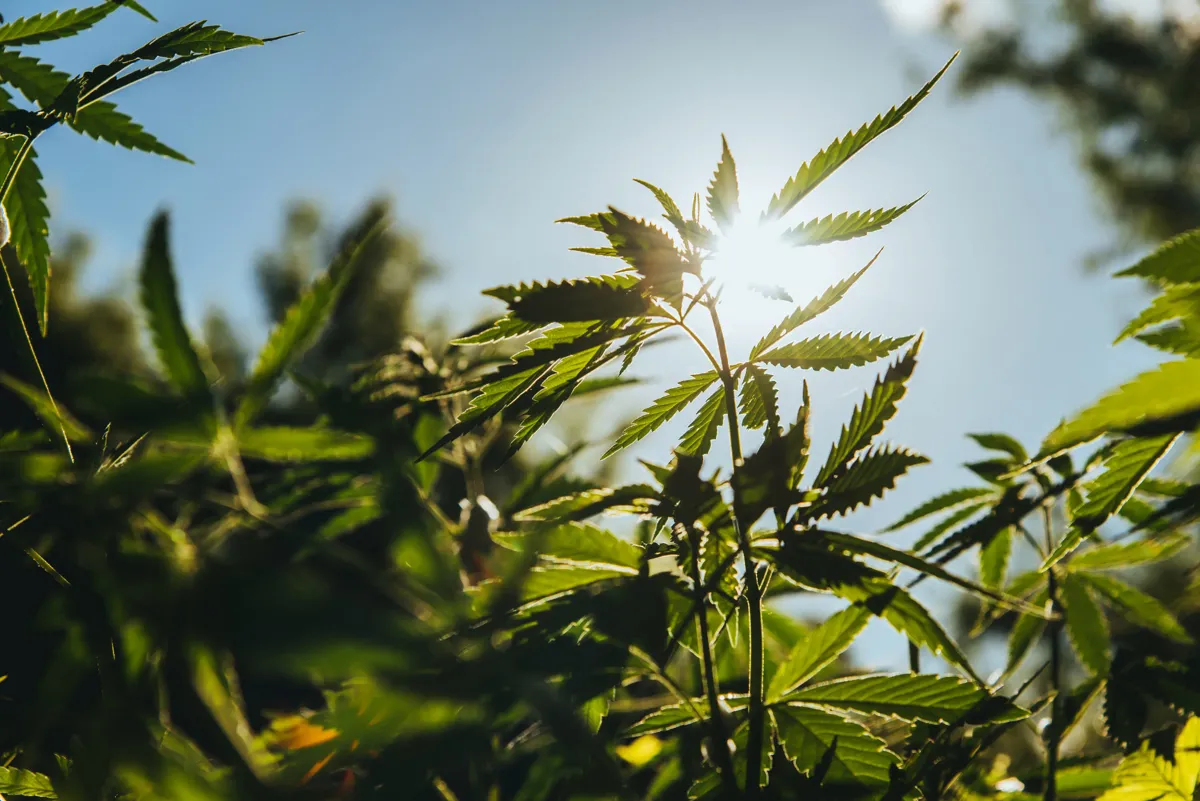
hemp leaves with sunlight peaking through

A tomato breeder might strive for bigger tomatoes. A strawberry breeder might work toward sweeter fruits. But in cannabis, one of the main drivers for breeder programs is improving the cannabinoid and terpene profile.

Cannabinoids (examples include THC and CBD, among others) and terpenes (aromatic compounds like limonene and pinene) are the core differentiators between a Gelato and a Purple Kush, or a Blueberry and a G13 strain. It goes deeper than indica or sativa genetics. Every strain has a unique makeup of more than a dozen of these compounds that create its strain-specific characteristics.


​So yes, cannabis breeders still work toward disease resistance or bigger buds, but much of the time they are also looking for higher THC and interesting minor cannabinoids and discovering new flavor combinations.

Challenges for the Future of Cannabis Breeding

In legal states, cannabis breeding programs are regulated but allowed, with specifics playing out within a state-by-state patchwork of legislation.

​Federally, it's much more complicated, with looming new regulations coming even for cannabis seeds and hemp seeds. Historically, both have been widely available and legal to buy and sell because they are free of any cannabinoids.

If this legislation passes, it will really hamper breeding programs and seed banks that keep specific strains alive. What happens when there is less freedom for growers, even if they grow in legal states, to access the genetics they want to work with? The next few years will be immensely challenging for everyone in the industry as they try to preserve current genetics while continuing to pursue new strain innovations.

The Ongoing Evolution of Cannabis Cultivars

From a landrace plant adapting to harsh mountain conditions, to a breeder hand-pollinating two chosen parents, to a lab technician running genetic markers on a row of seedlings, cannabis continues to evolve through many different channels.

And no matter how scientific and technical breeding gets, it is still partially an art form. No amount of genetic testing replaces a breeder's eye for a promising phenotype or the years of careful observation it takes to know a strain is finally stable. Of course, science has sped things up, but the instinct behind a great cross is still very human.

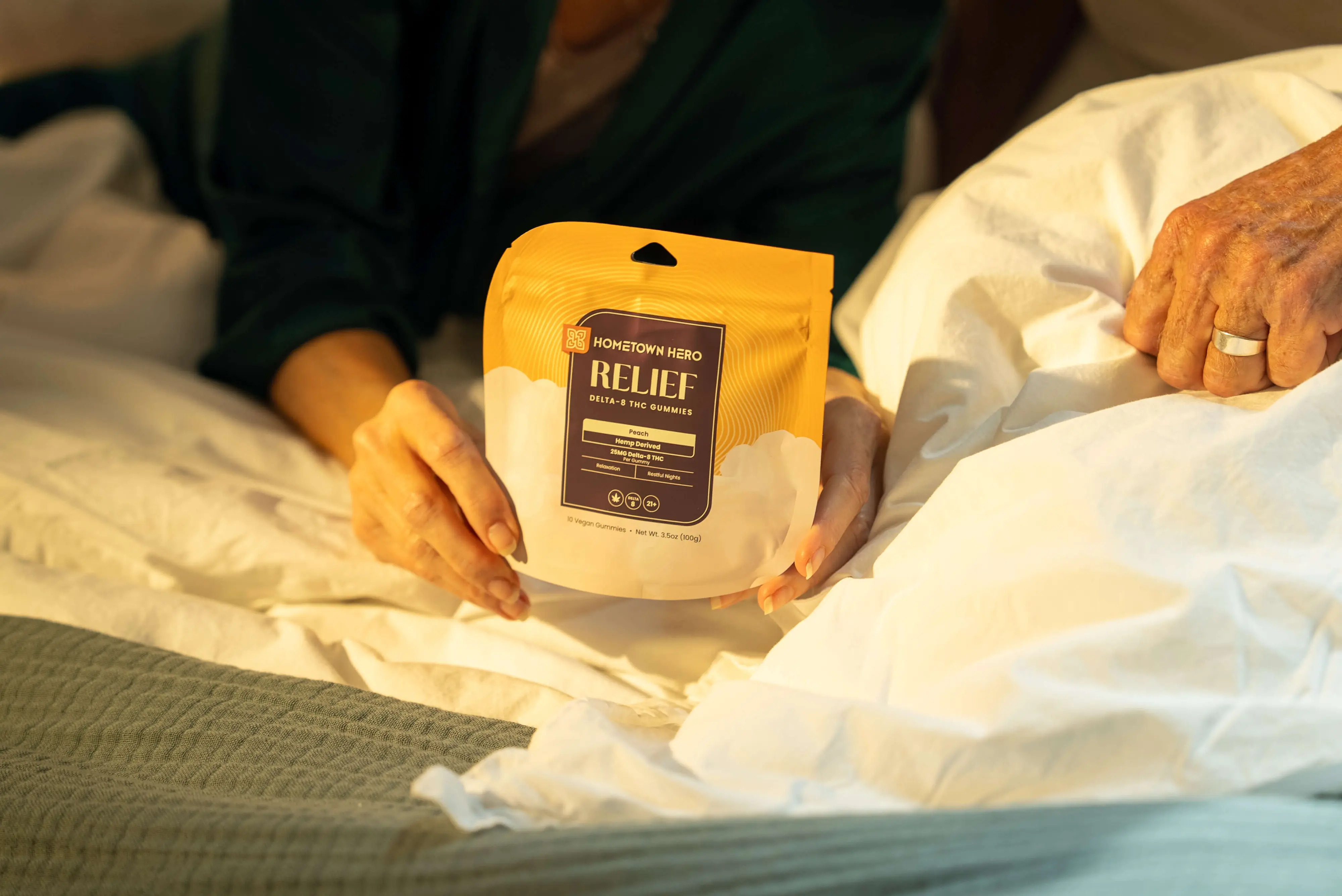
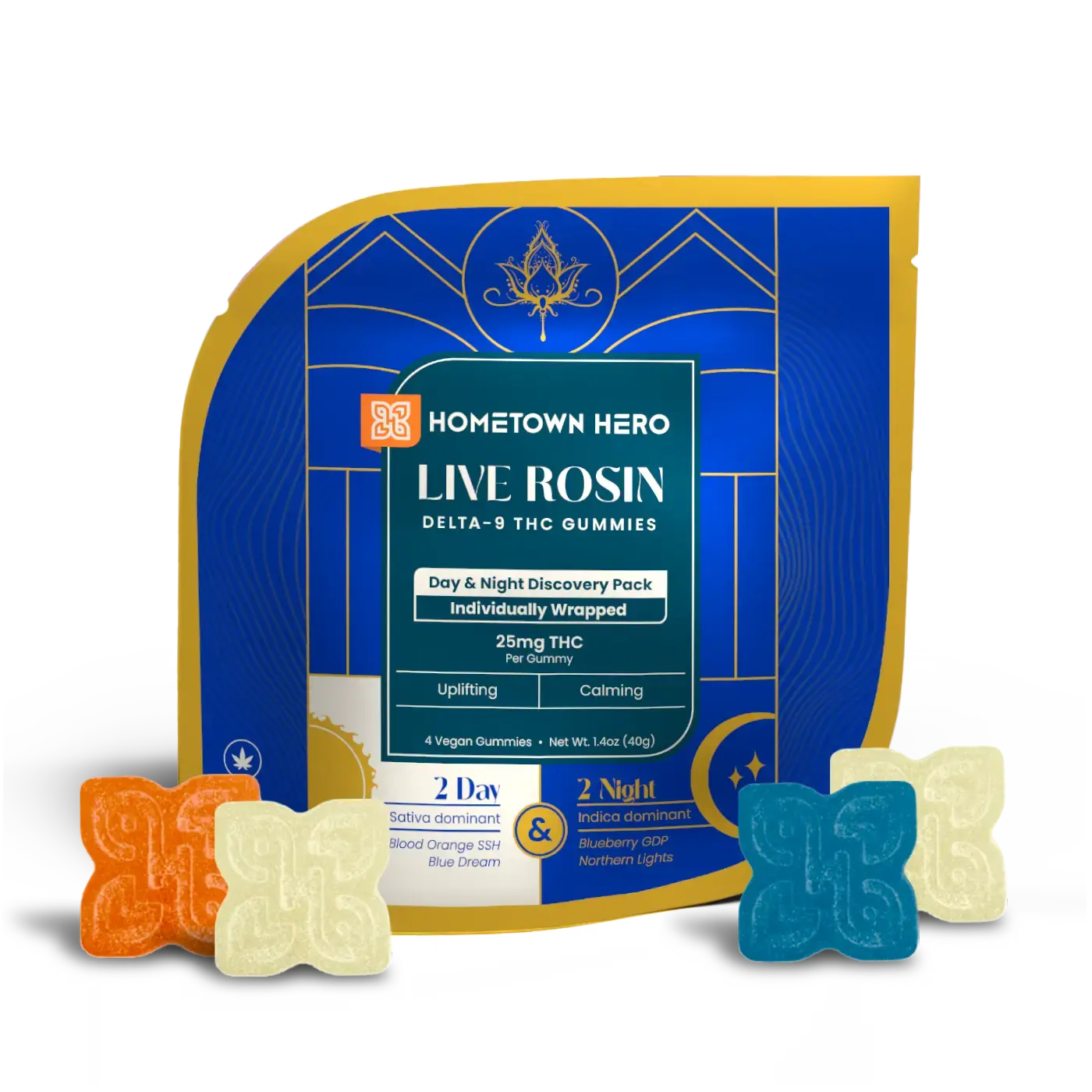
So with so much genetic diversity to explore, it may be time to try something new. At Hometown Hero, we've thoughtfully curated hemp-derived renditions of legendary cannabis strains and infused their essence into a premium selection of Live Rosin Gummies. Each edible offers the cultivar's unique aroma and experience in a modern and federally legal form.

So, until next time, get creative, try a new strain, and Mind Your Mind.
Follow us
Related products
Delta 9 Live Rosin Caramels
20mg D9/Pc
Sativa - Delta 9 Live Rosin Absolute Gummies
25mg D9/Pc
Indica - Delta 9 Live Rosin Absolute Gummies
25mg D9/Pc
Explore collection
Trending now
Related Posts
Indica vs. Sativa vs. Hybrid: Chart, Differences, Effects
August 31, 2026
Indica vs. Sativa vs. Hybrid: Chart, Differences, Effects
What is Live Rosin?
August 31, 2026
What is Live Rosin?
Explore all posts