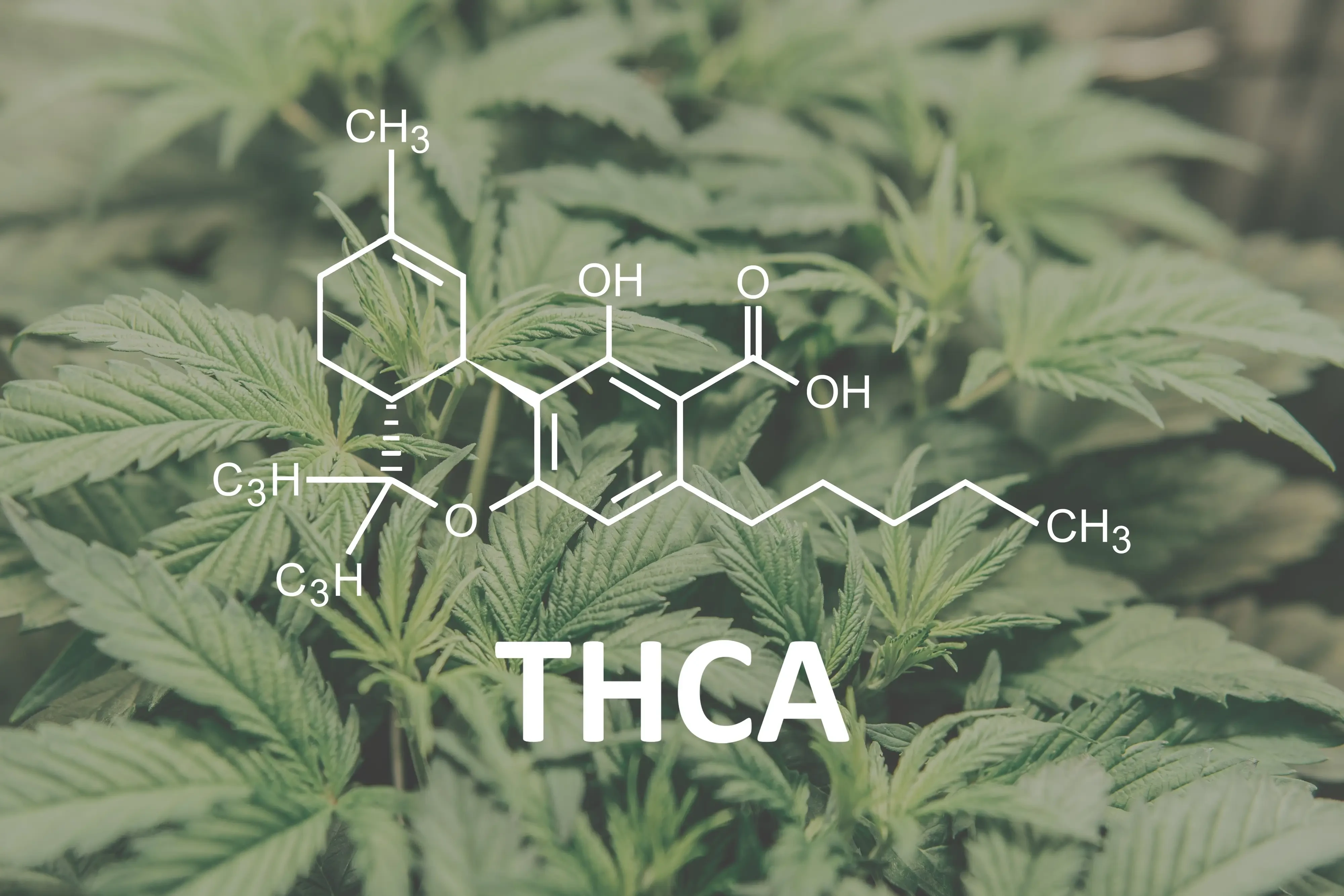
Tetrahydrocannabinolic acid, or THCA, is a
non-psychoactive cannabinoid found naturally in raw, fresh cannabis plants. Unlike
tetrahydrocannabinol (Delta-9 THC), it doesn’t actually cause noticeable euphoric or uplifting effects in this raw state.
Rather, THCA is a precursor to THC. This means when exposed to heat over time, THCA undergoes decarboxylation, a process that transforms it into THC. This conversion can happen gradually, even at room temperature, but is accelerated when cannabis products rich in THCA are smoked or vaped.
The effects of THCA in its raw state are imperceptible and mild because the THCA molecule has an extra carboxyl ring that prevents it from binding to cannabinoid receptors in the way that THC does. Only once this molecule has transformed into THC are the effects euphoric, uplifting, relaxing, and buzz-worthy.
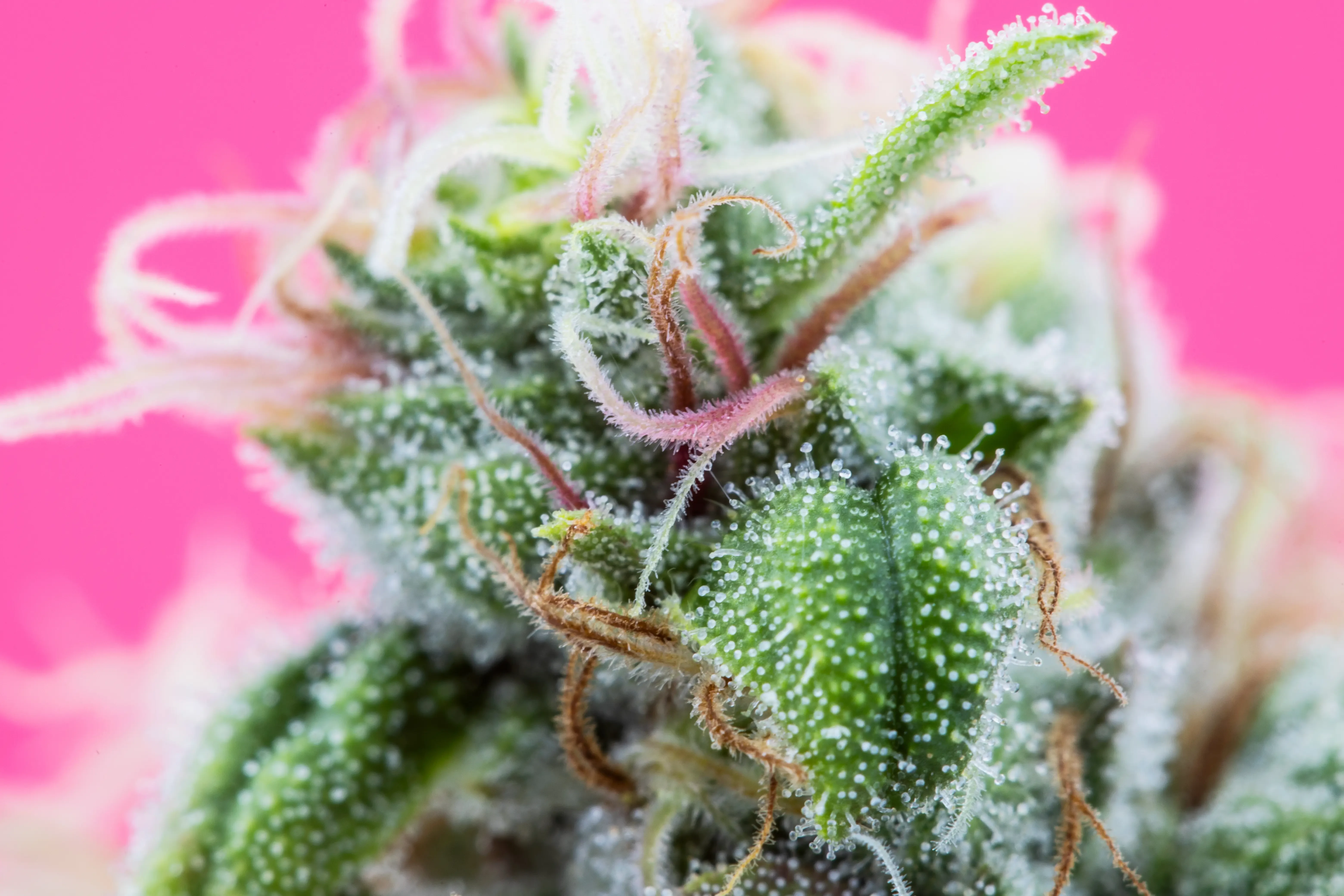
All of which is to say, the effects you get from a THCA product can be either non-psychoactive or highly psychoactive, depending on the format. Edibles, tinctures, and other products never exposed to heat sources will fall into the non-psychoactive category, while THCA vapes, THCA flower, and THCA concentrates will be decidedly psychoactive.
And, yes, before you ask, THCA is legal so long as it is derived from hemp. For those unfamiliar with federal legislation, hemp and all hemp-related products were legalized back in 2018 with the passage of the Farm Bill. Under these rules, hemp products are legal, provided it contains less than 0.3 percent Delta-9 THC by dry weight.
However, some states have put restrictions on the amount of THCA allowed in inhalables (especially flower), since it converts so readily to THC. We recommend doing your research before purchasing THCA products.
What Is HHC?
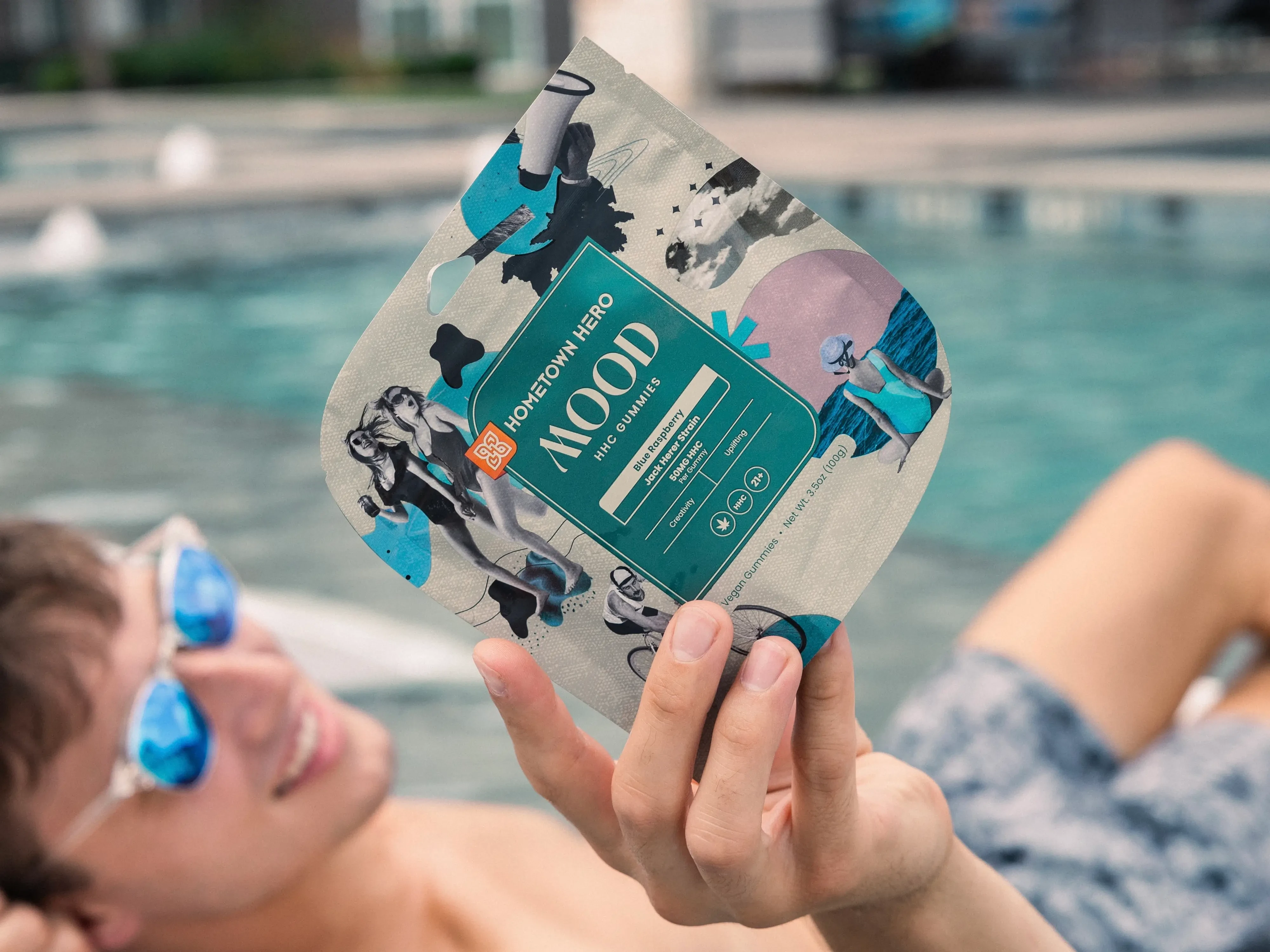
Hexahydrocannabinol (HHC) is a lesser-known cannabinoid that is related to THC but comes with a few interesting characteristics. It's
created through hydrogenation, a natural process that involves working with hemp-derived CBD and hydrogen. The final result is a molecule with two more hydrogen atoms than either delta-9 THC or delta-8 THC.
This hydrogenation process transforms the non-psychoactive CBD molecule into one that can interact with CB1 cannabinoid receptors to produce delightful psychoactive effects. HHC creates many of the same effects as THC, including euphoria, relaxation, and mood boost, but most people find the effects much milder.
As a hemp-derived cannabinoid, HHC is also legal thanks to the 2018 Farm Bill. Just keep in mind that some states have passed additional legislation banning certain cannabinoids, which may include HHC. Do your due diligence before ordering to ensure HHC is legal in your jurisdiction.
Which Cannabinoid is Better?


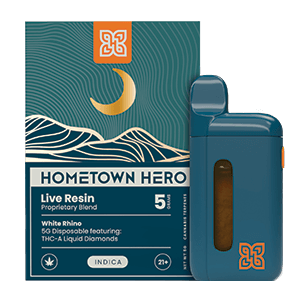
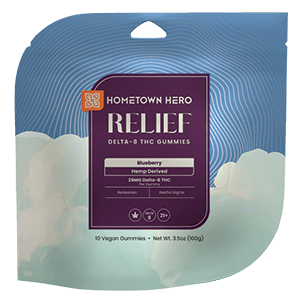
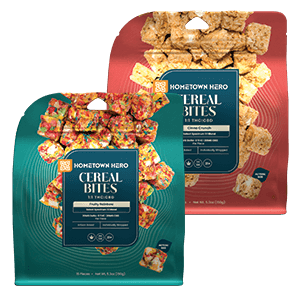
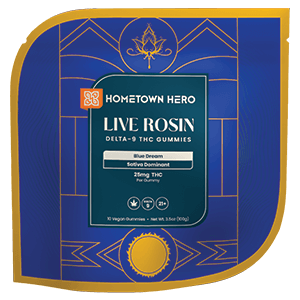

.D03bkZte.png?w=50&h=55&q=100)



 sativa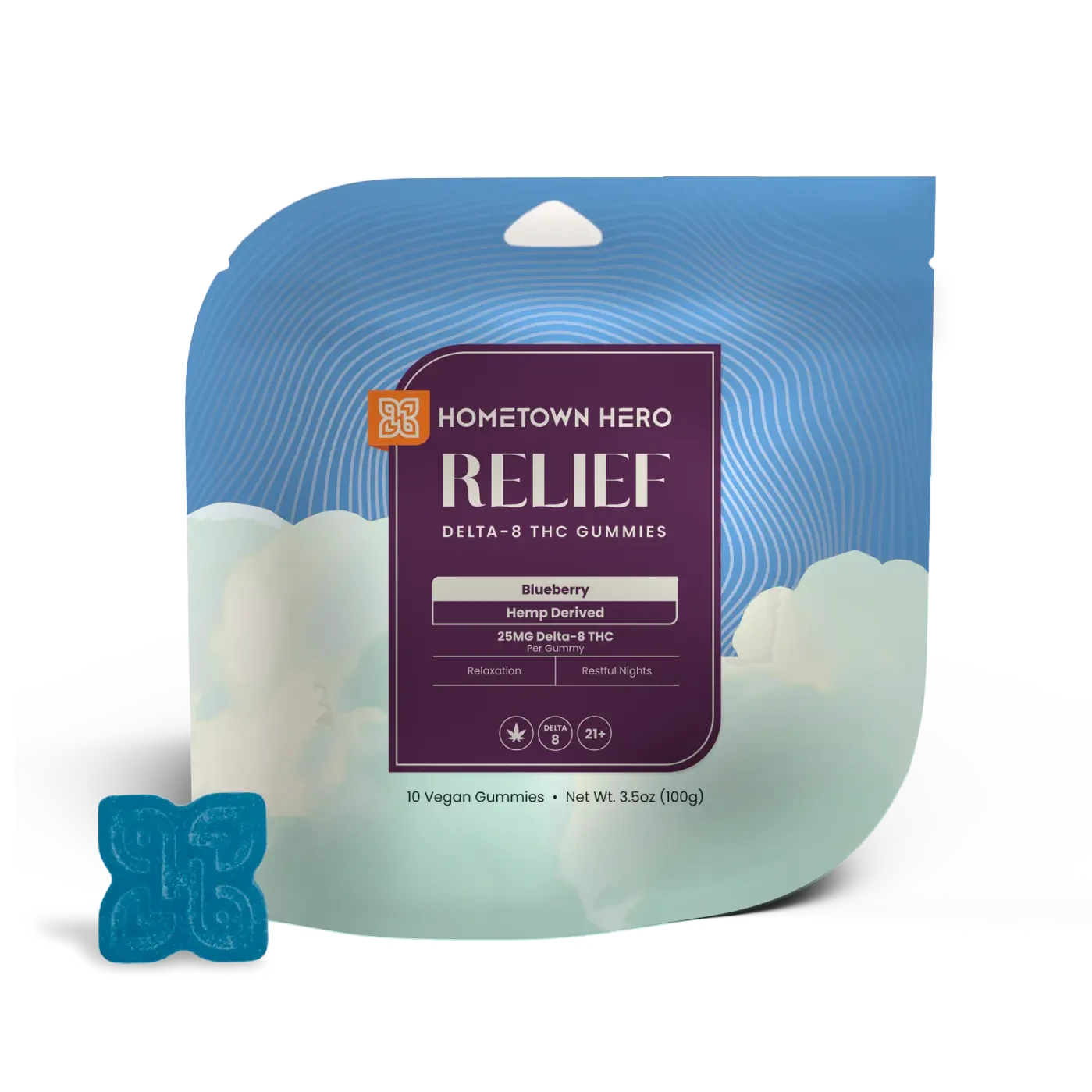
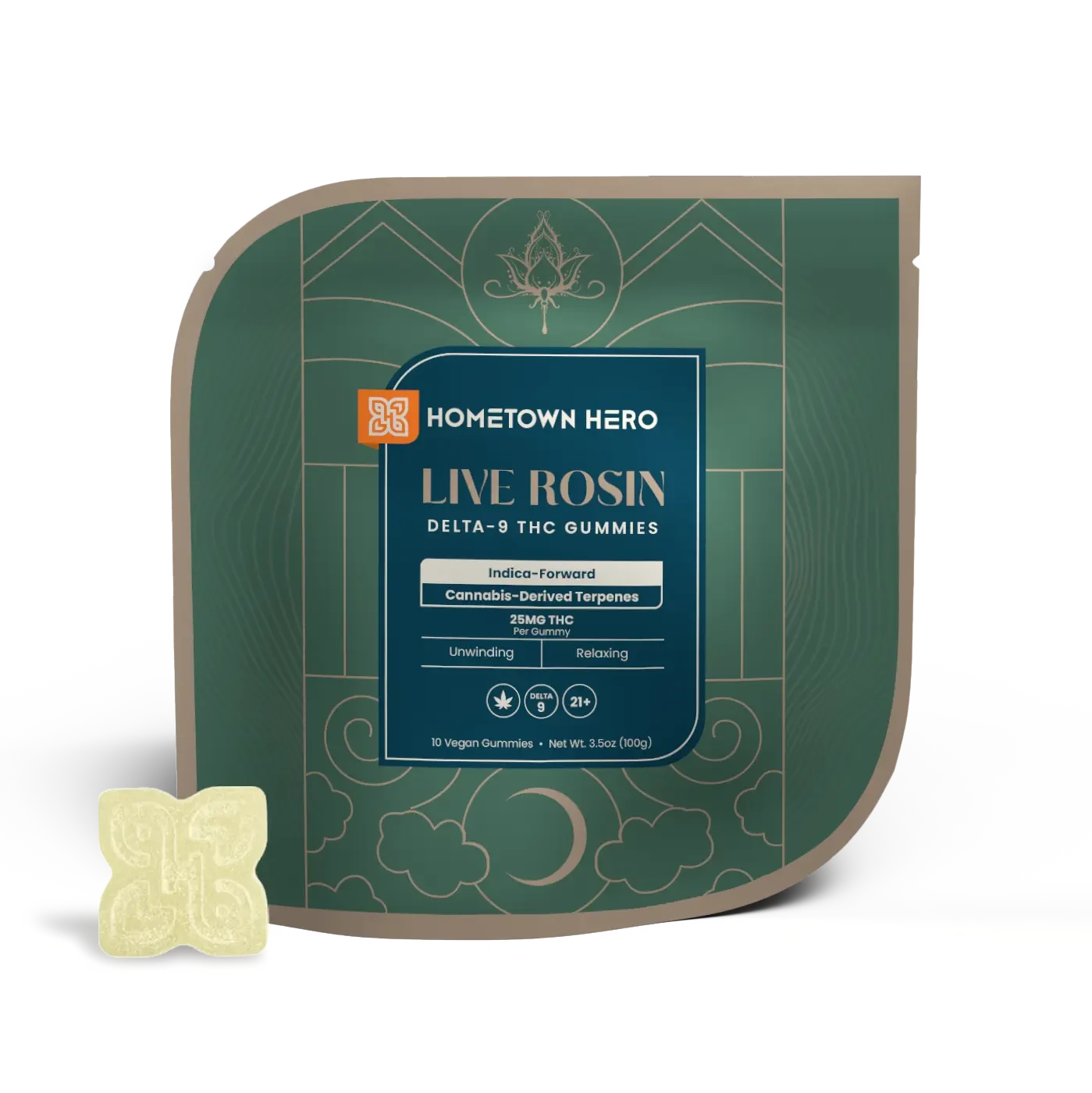
 indica