

.D03bkZte.png?w=50&h=55&q=100)




 sativa
 indica
May 22, 2026
Is Delta-8 Banned in Texas? 2026 Update



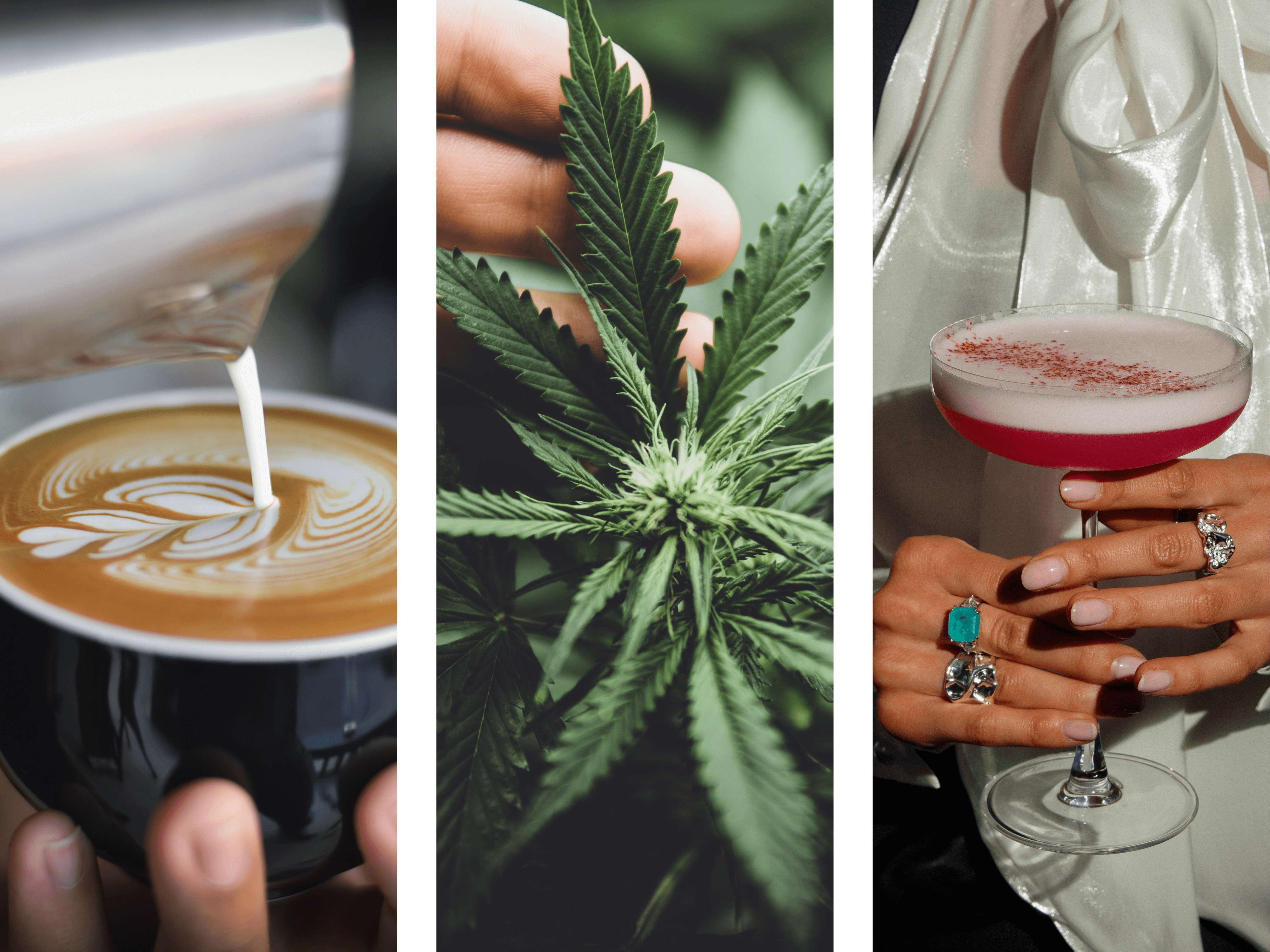

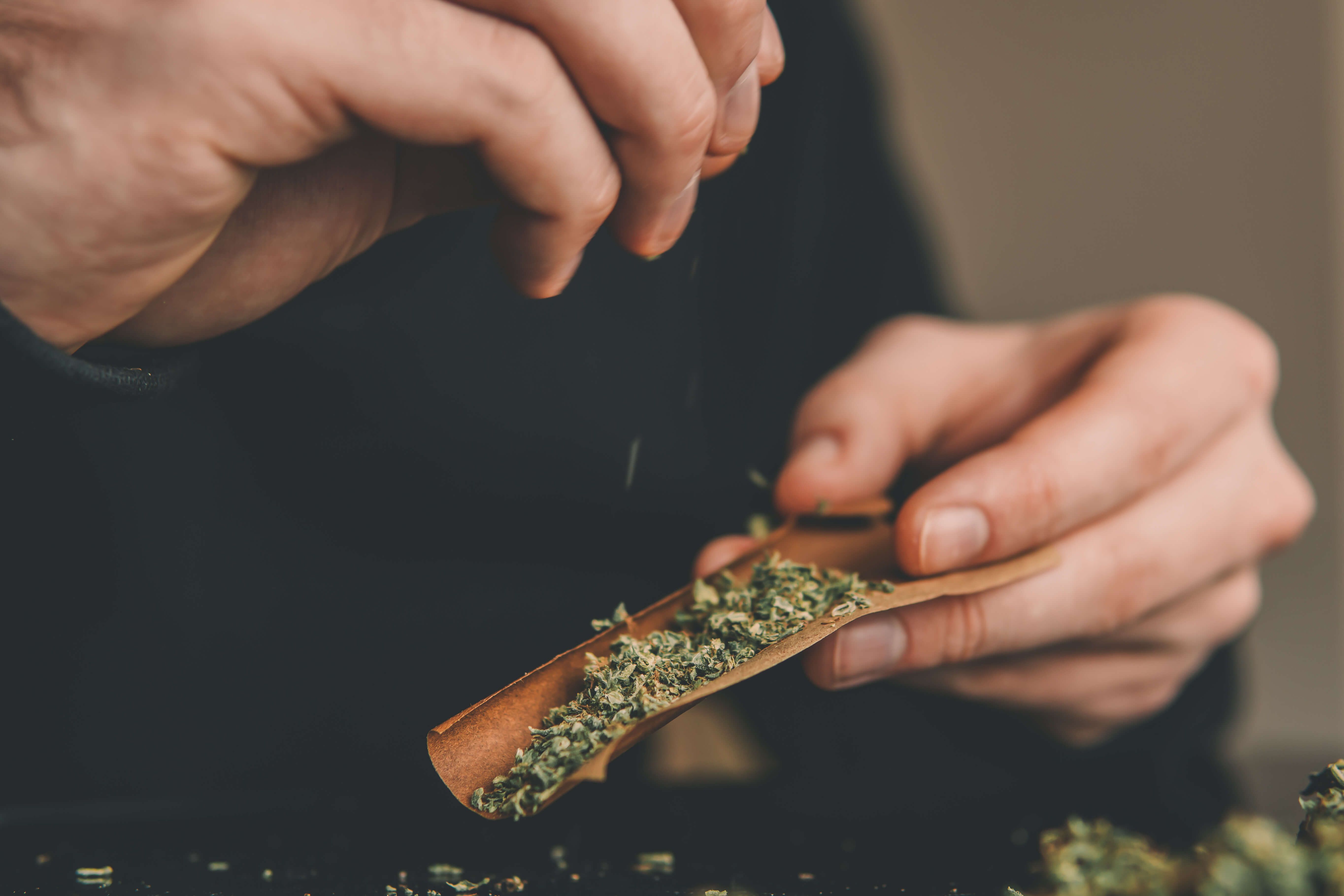
THC (derived from cannabis) mimics a natural molecule used by your body to regulate memory, appetite, and emotions. It can influence receptors in the brain to deliver psychoactive effects such as euphoria or relaxation.
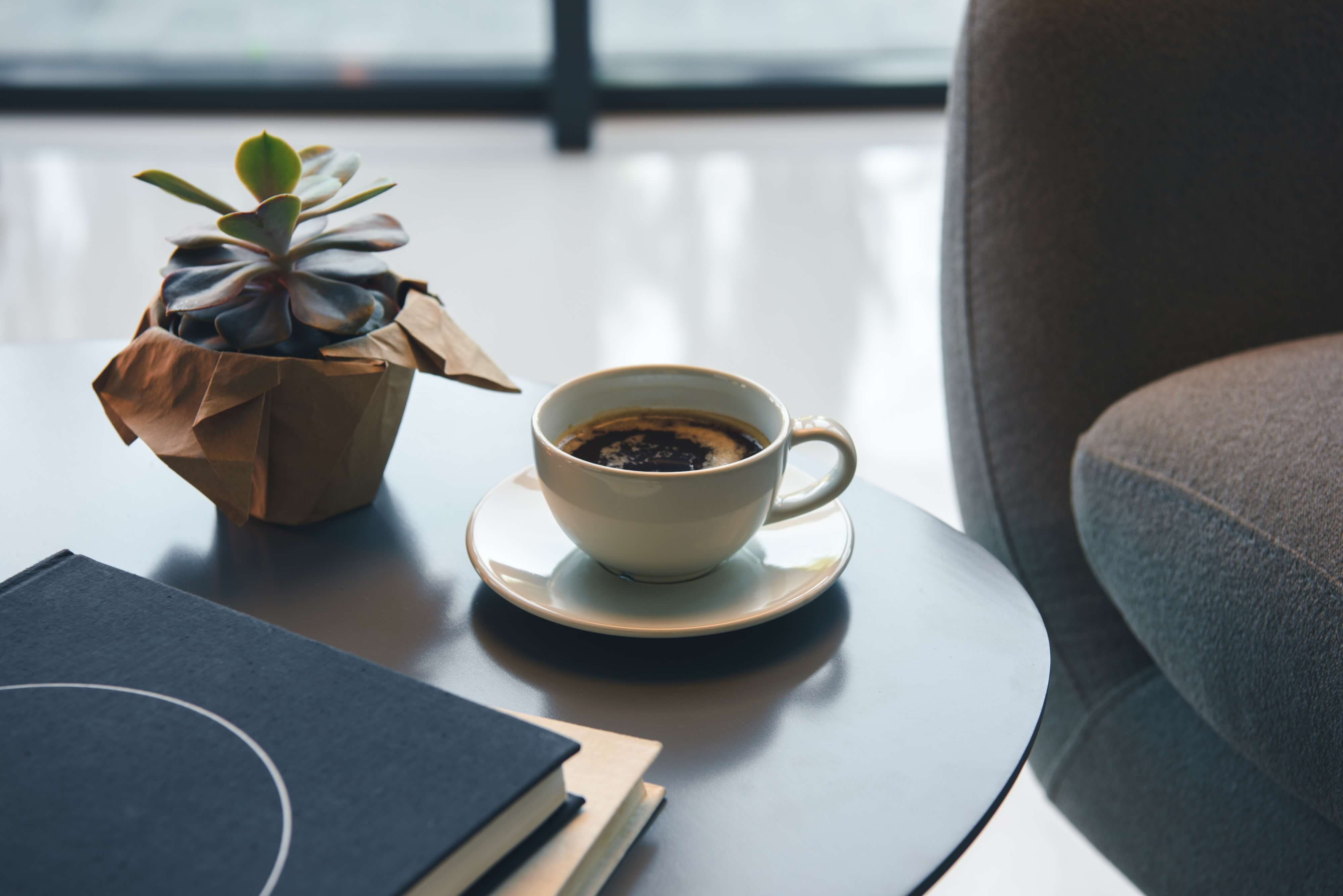
Caffeine blocks the effects of a chemical produced in your body that makes you sleepy, while also increasing the release of neurotransmitters like dopamine and norepinephrine, which can lead to increased alertness, energy, and focus.
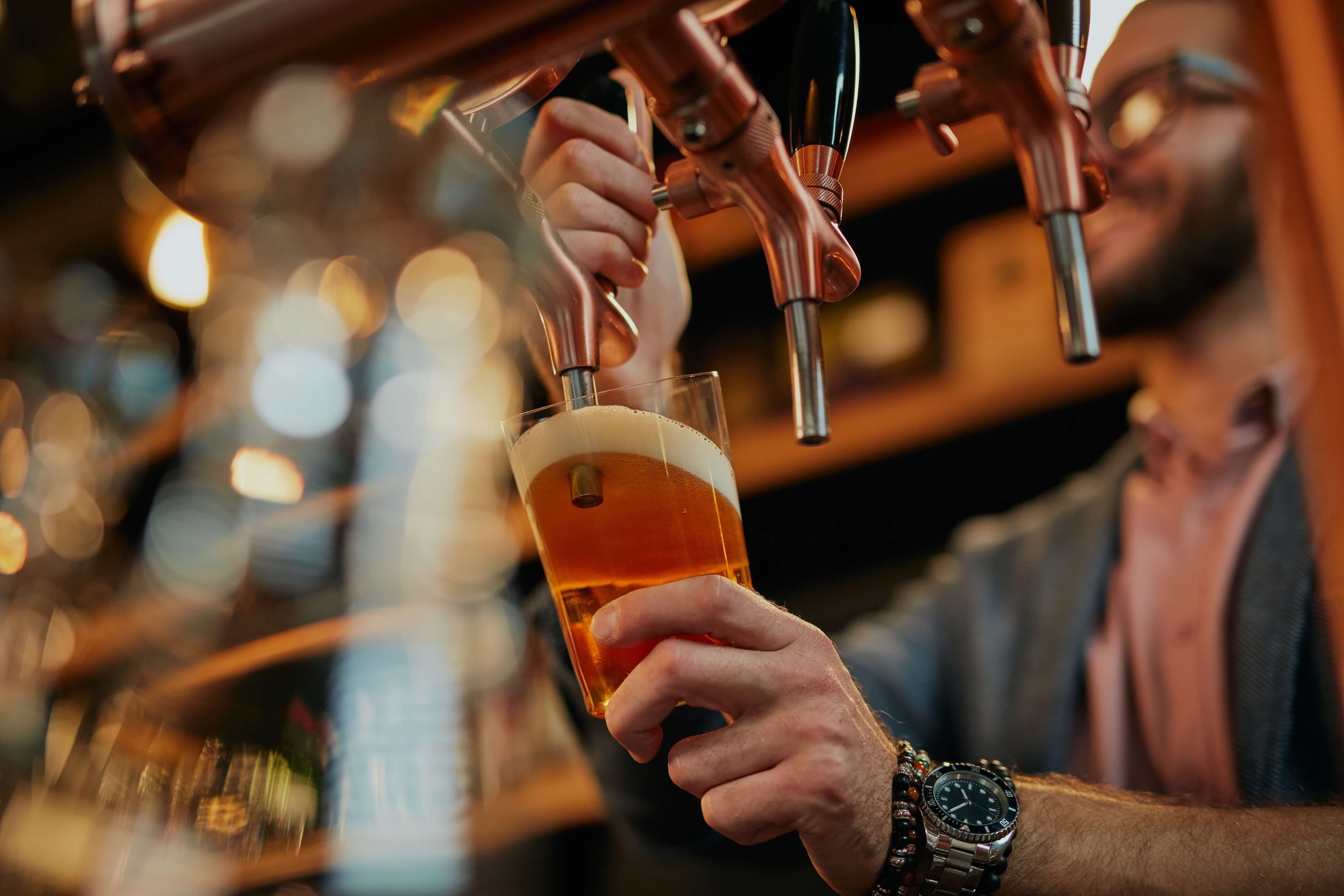
Alcohol (ethanol) essentially slows down brain activity, hence it's known as a depressant.
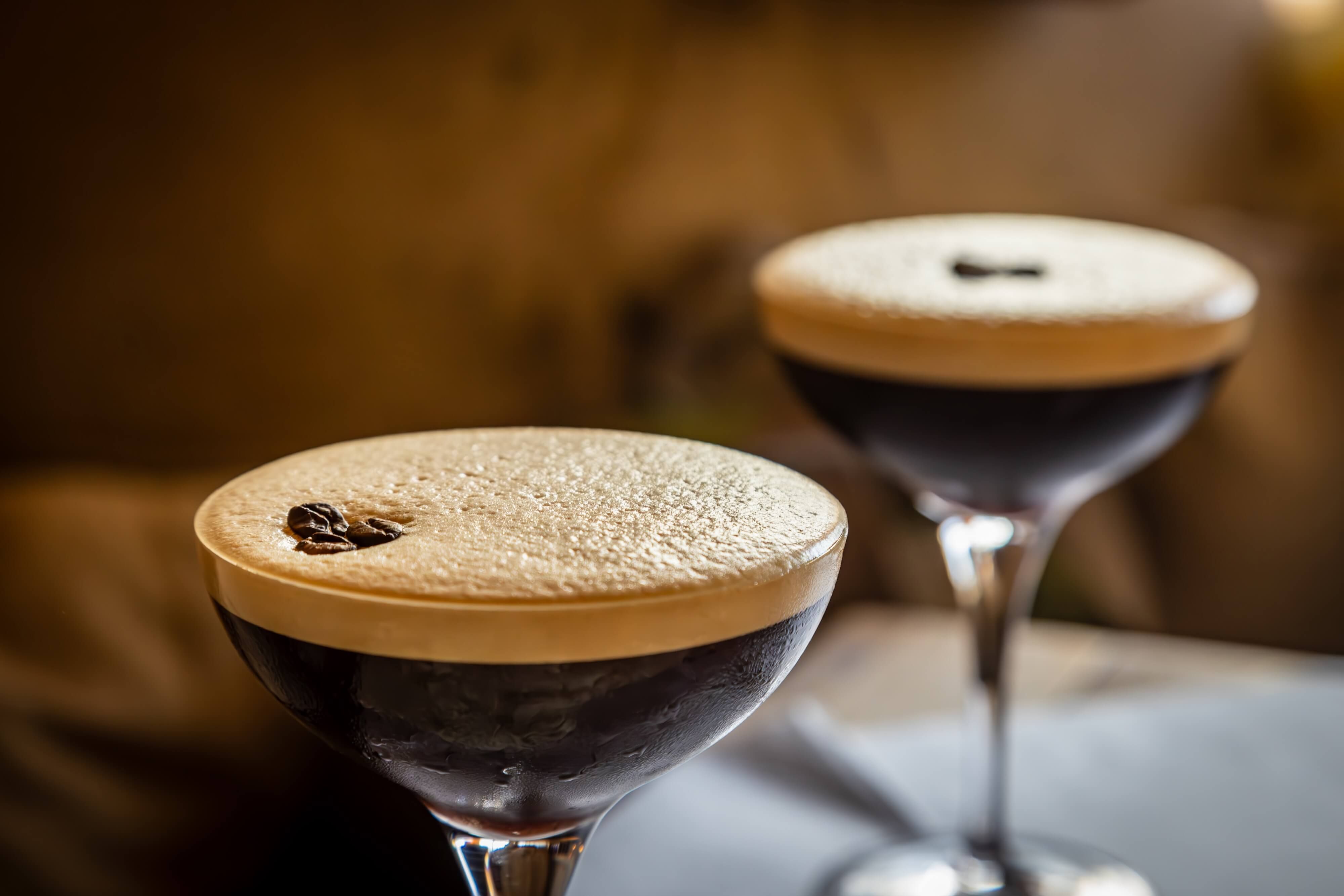
Essentially, caffeine will reduce the sedative effects of alcohol... and that's it. According to the CDC, although mixing caffeine and alcohol may help you feel "more alert" while under the influence, caffeine doesn't negate the impairing effects of alcohol. Therefore, the risk with mixing the two is that you may feel less intoxicated than you actually are, and thus, you may drink more than you usually would.
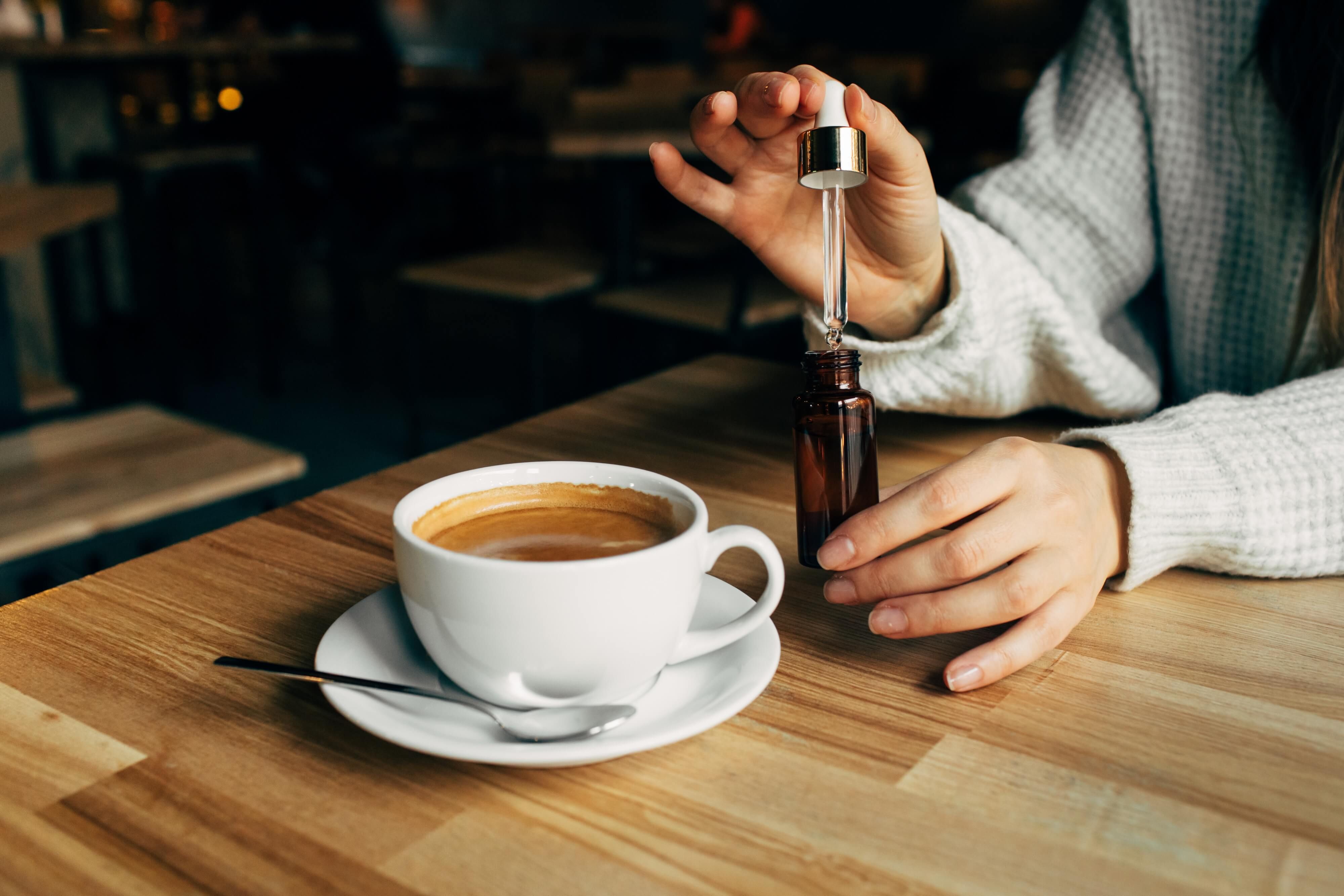
Although there isn't much research available on the topic of mixing THC with caffeine in human subjects, a 2012 study on rats found that a low serving of THC with a moderate serving of caffeine yielded similar effects on memory as a higher serving of THC.