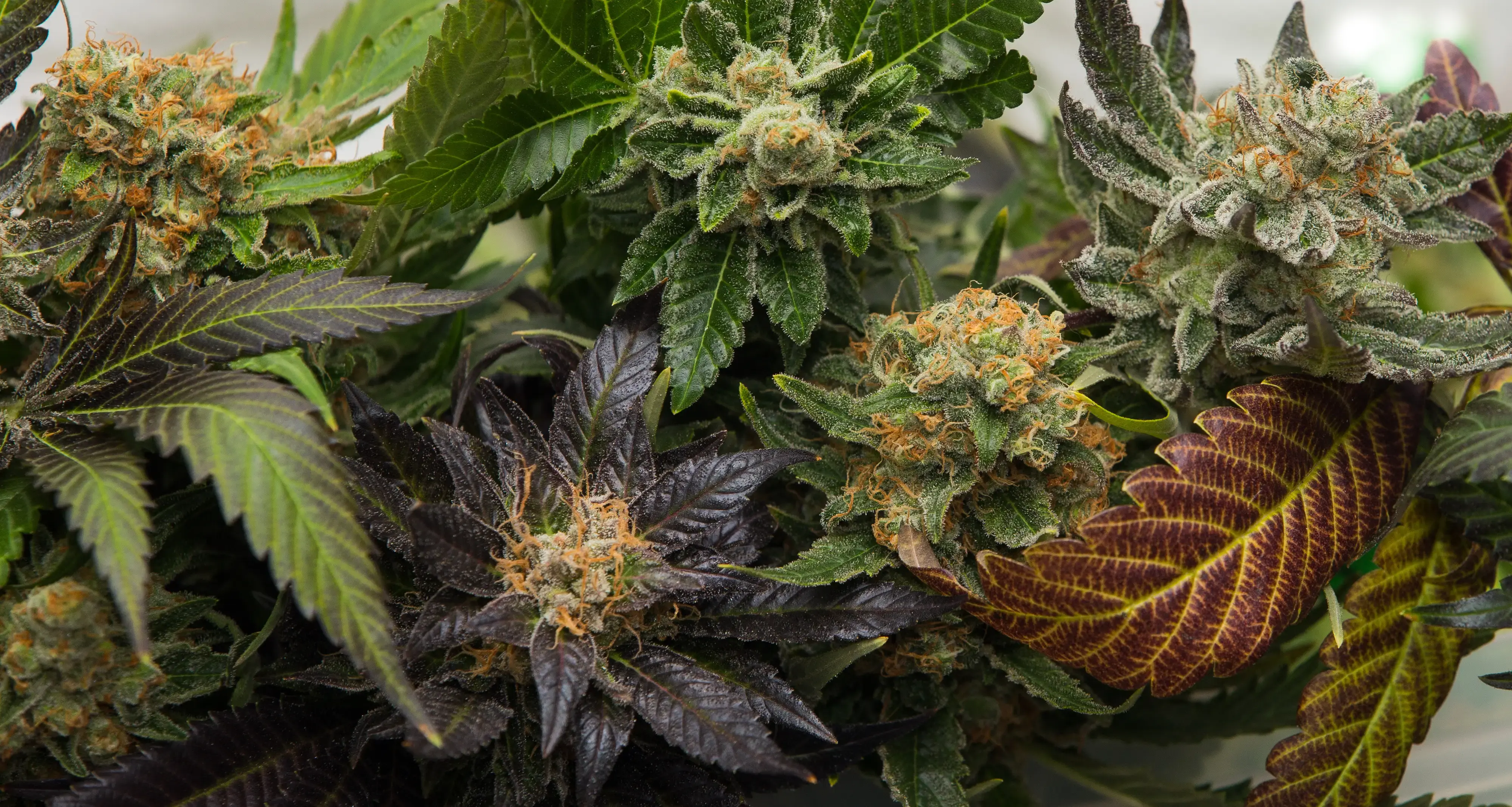
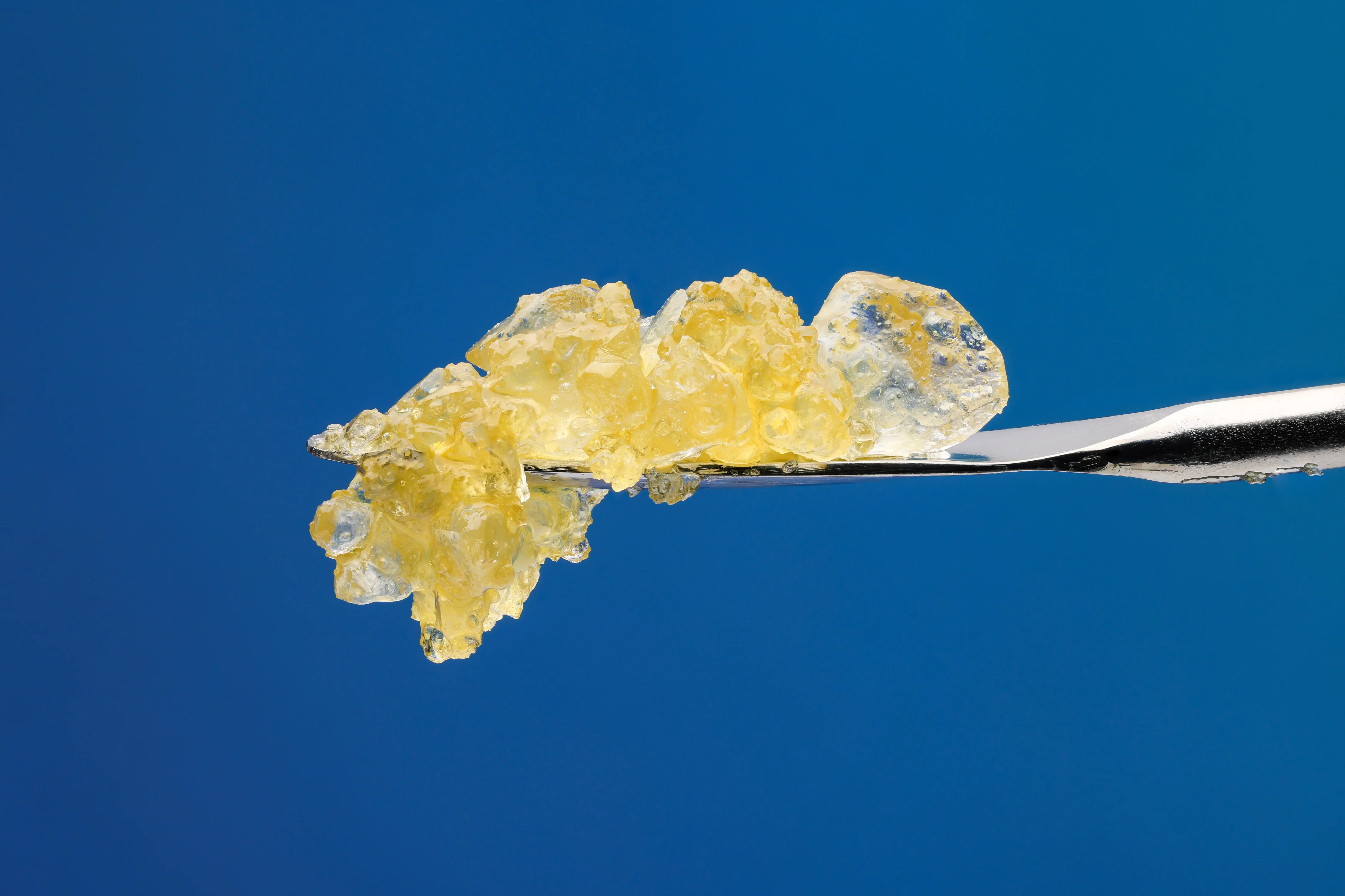
THC (tetrahydrocannabinol) is the main psychoactive compound found in the cannabis plant. Delta-9 THC contains 21 carbon atoms, 30 hydrogen atoms, and two oxygen atoms per molecule.
When most people use the term "THC," they are usually referring to a cannabinoid with the full name of "
delta-9-tetrahydrocannabinol." Though this is accurate in most instances, there are
other variants of THC out there, such as delta-8, delta-10, and others.
As mentioned earlier, the concentration of delta-9 THC is the only factor separating hemp and marijuana. Hemp plants contain a small amount of delta-9 THC compared to marijuana; however, you can have legal hemp-derived delta-9 products such as delta-9 edibles so long as the concentration is at or below the compliant amount on a dry weight basis.
THCA vs. THC Differences
What are the main differences between THC and THCA? For starters, they are distinct cannabinoids with distinct molecular structures. For example, delta-8, delta-9, and even CBD are isomers, meaning these cannabinoids are "built" out of the same building blocks, but in different chemical structures. THCA is not an isomer of these cannabinoids because it contains more hydrogen, carbon, and oxygen.
In a
legal sense, they differ because, according to the
2018 Farm Bill, Uncle Sam only cares about the
concentration of delta-9 THC, not THCA, when it comes to distinguishing between what is hemp (federally legal) and marijuana (a controlled substance).
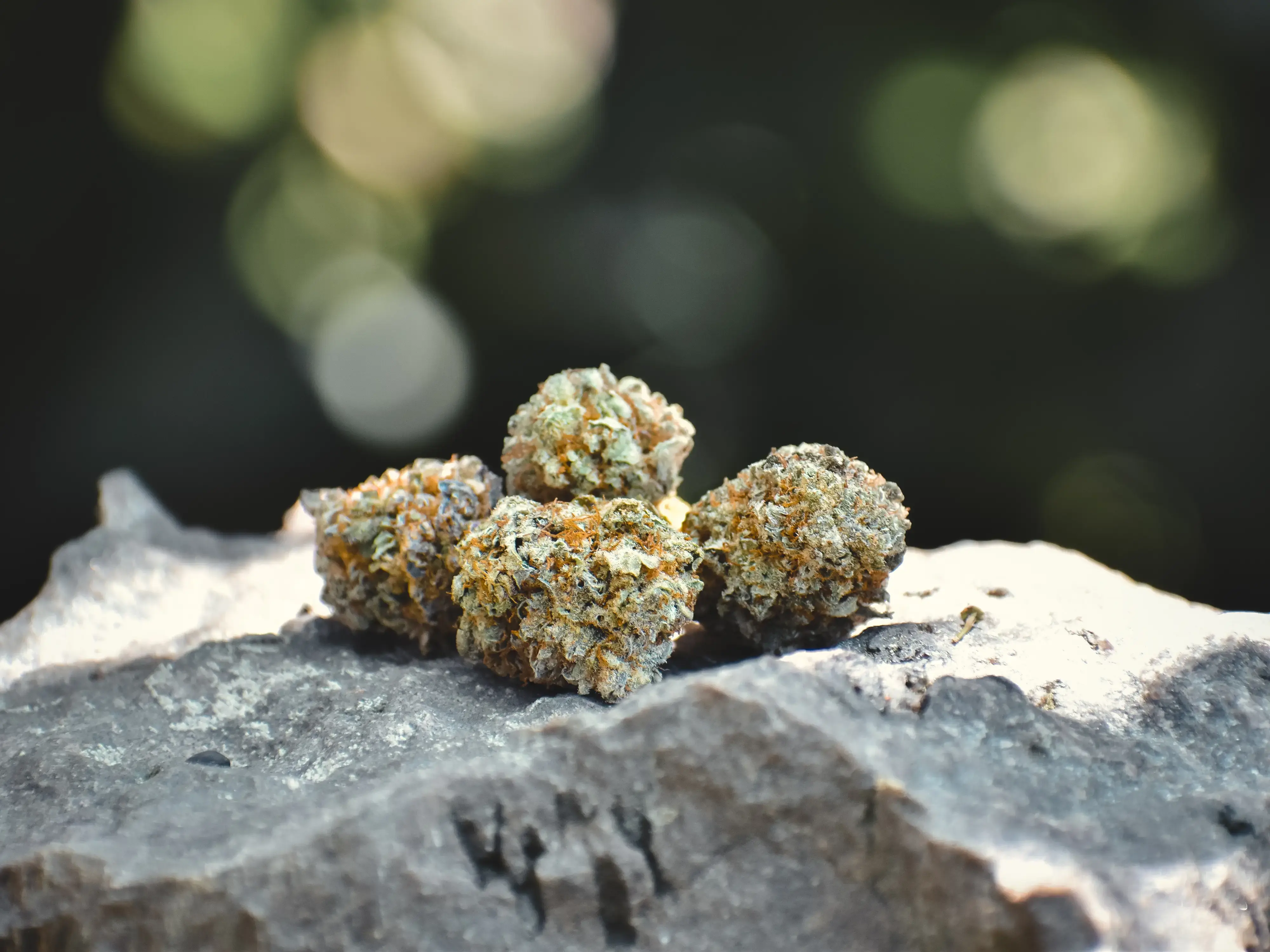
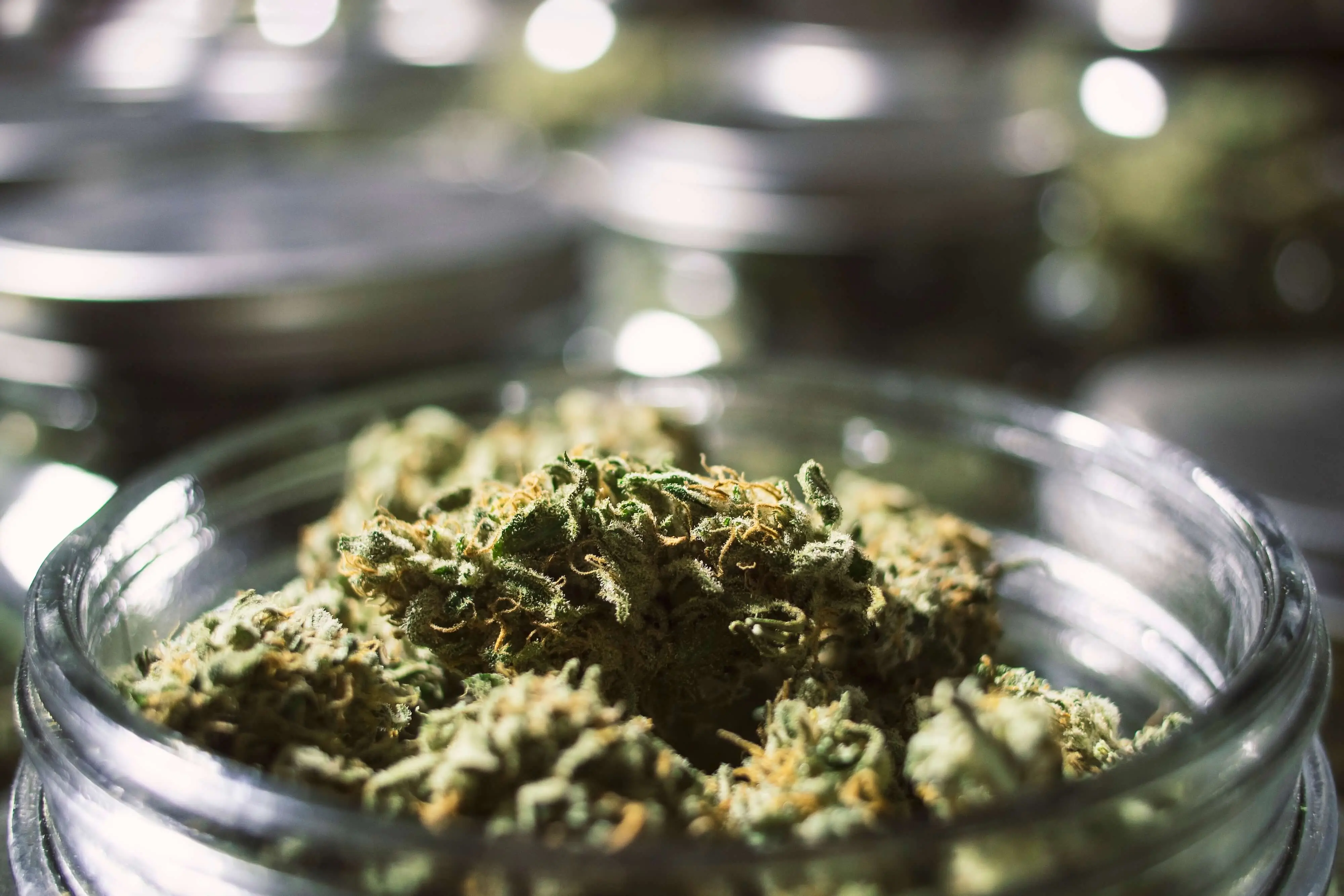
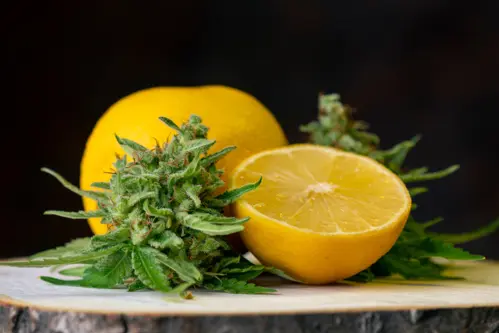
The appeal of THCA flower is that it offers inhalable delta-9 THC while still being Farm Bill compliant. Still, several local governments have implemented restrictions on THCA flower products for this very reason.
They are closely related because THCA does eventually convert to THC when heated. In other words, THC is the chicken, and THCA is the egg.
THCA vs. THC Effects
Generally, Delta-9 THC will bind to
CB1 cannabinoid receptors in the central nervous system to produce the following effects:
- Relaxation
- Euphoria
- Laughter
- Sleepiness
- Fascination
- Creativity
- Increased appetite
But what are the effects of THCA? Well, scientific studies suggest
potential medical applications for THCA, but the results are inconclusive because they rely solely on animal trials. But in terms of
experiential effects, there are none unless you decarboxylate it; when you do that, it's no
longer THCA but rather THC.
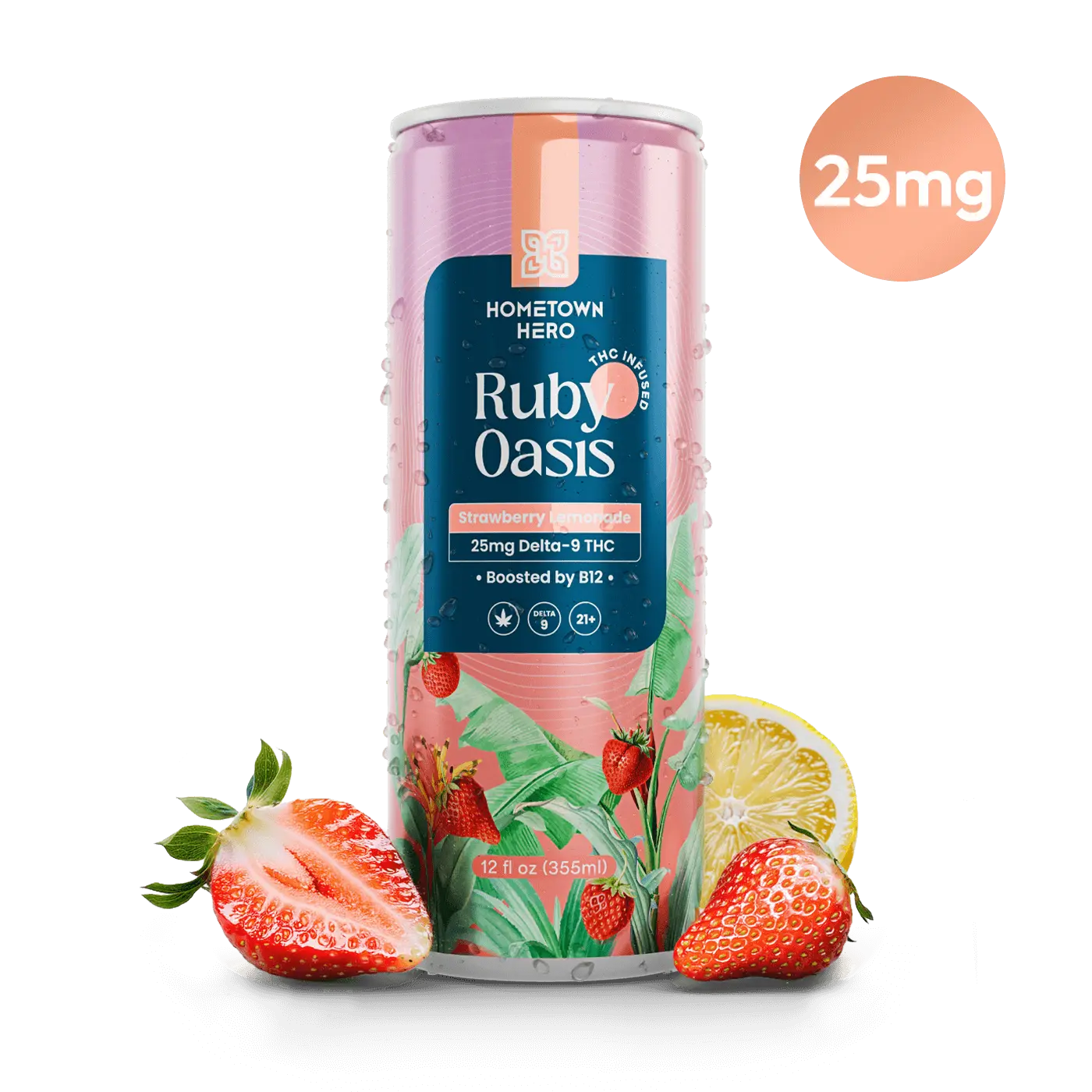
When you consume a delta-9 edible, it's not actually delta-9 causing the effects you experience afterward. Your body converts the delta-9 into 11-hydroxy-THC, which offers more pronounced effects for a longer duration but at the cost of a slower onset.
Conversely, when you smoke THCA hemp flower or
vape THCA liquid diamonds, the T
HCA converts to delta-9 THC, which undergoes no conversion process after decarboxylation, offering a
faster onset with lighter effects lasting a shorter duration.
For example, let's say you decided to eat a handful of THCA flower out of the bag. First of all, that would taste gross and grassy. And finally, you wouldn't feel anything at all (except, hopefully, a little shame), although
research suggests that THCA has a
minute binding affinity for CB1 receptors and CB2 in the endocannabinoid system.
Again, we cannot state enough that THCA is merely the precursor to THC, which converts to THC when heated. Discussing the "effects" of THCA vs. THC is pretty irrelevant. And if anyone tries to sell you THCA gummies, just know they won't "hit" the way you might expect.
THCA vs. THC: Which is Stronger?
In regard to potency, Delta-9 THC is scientifically stronger than THCA. Scientifically speaking, Delta-9 has a stronger binding affinity to both the CB1 and CB2 receptors in the endocannabinoid system than THCA does. This equates to more pronounced mind-and-body effects, i.e., "strength."
However,
comparing them in this way does not really make any sense because THCA decarboxylates into THC. If you consume an inhalable THCA product, such as a
5g THCA liquid diamond disposable, you are essentially feeling the effects of THC.
But if, for some reason, you see an edible cannabis product that a vendor has labeled as containing THCA, you are straight-up getting ripped off.
Know Your Cannabinoids: THC-A and THC
THCA is the precursor to THC, the popular cannabinoid known for its effects such as laughter, relaxation, euphoria, and sleepiness. Comparing the two's experiential effects doesn't make sense because you would only feel something if you consumed THC, not THCA. THCA needs to be decarboxylated with heat to become THC, and in that case, you would feel the effects of THC. In other words, you need heat to convert THCA into THC.
The most crucial difference is that they are two separate molecules, not even isomers. With that in mind, because THCA is different from delta-9 THC, you can have higher concentrations of it as long as the delta-9 THC is at or below 0.3% by dry weight, which makes it a federally legal product. However, its legal status varies by state, with THCA flower, in particular, restricted in some places.
Until next time, happy exploring and Mind Your Mind.
FDA Disclaimer: The statements made regarding these products have not been evaluated by the Food and Drug Administration. The efficacy of these products has not been confirmed by FDA-approved research. These products are not intended to diagnose, treat, cure, or prevent any disease. All information presented here is not meant as a substitute for or alternative to information from health care practitioners. Please consult your healthcare professional about potential interactions or other possible complications before using any product. The Federal Food, Drug, and Cosmetic Act requires this notice. 


.png?w=50&h=55&fm=webp&q=100)





 indica
 sativa